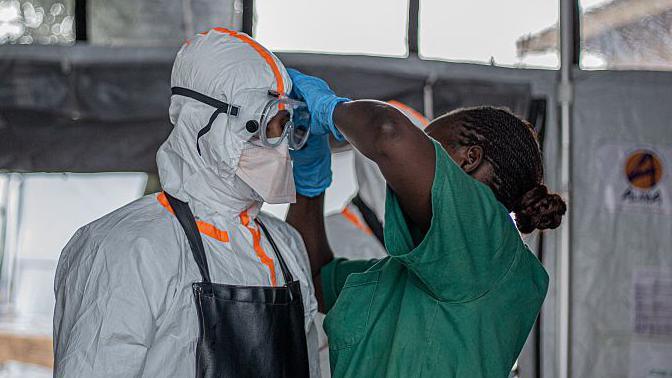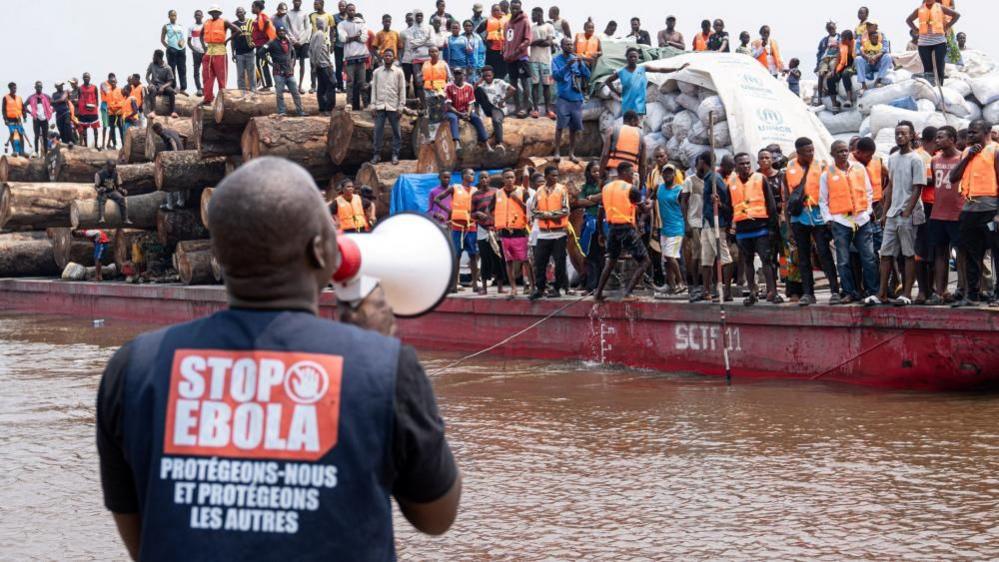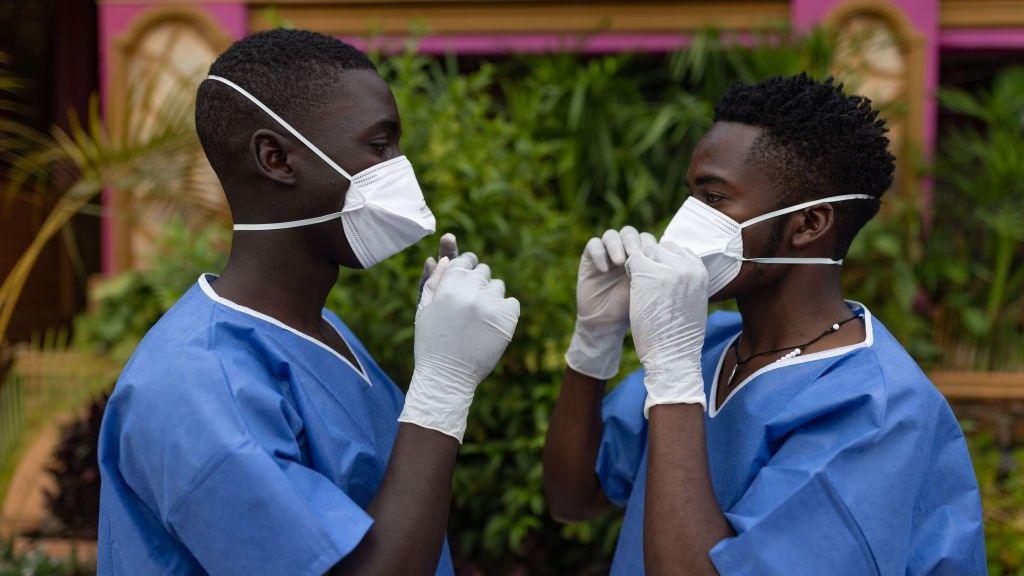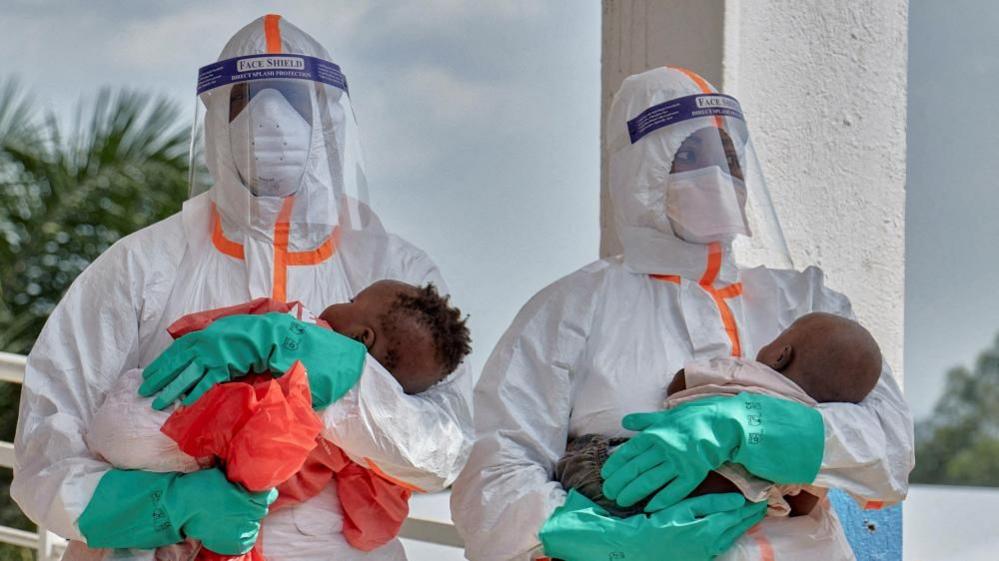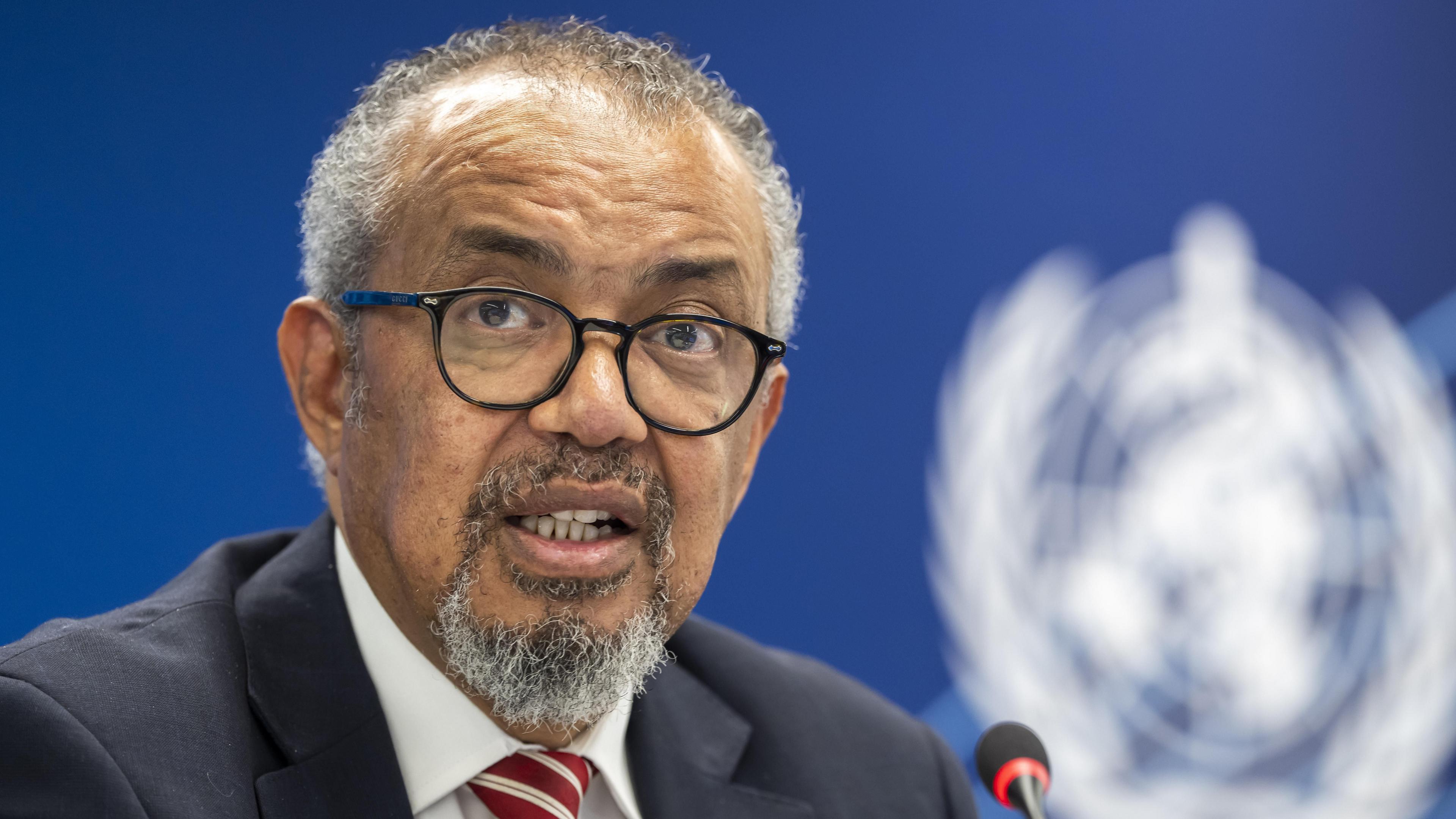
When the World Health Organization’s (WHO) director‑general Tedros Adhanom Ghebreyesus spoke to reporters this week, his tone was no fluke. He warned that the 2026 Ebola outbreak in the eastern Democratic Republic of Congo (DR Congo) is on a trajectory to become the disease’s deadliest year on record.
"At its current pace," Ghebreyesus said, "this outbreak would eclipse the 2014‑2016 epidemic that killed more than 11,000 people." The official declaration came only in May, yet health experts now believe the virus infiltrated communities as early as February, often being brushed aside as malaria or typhoid.
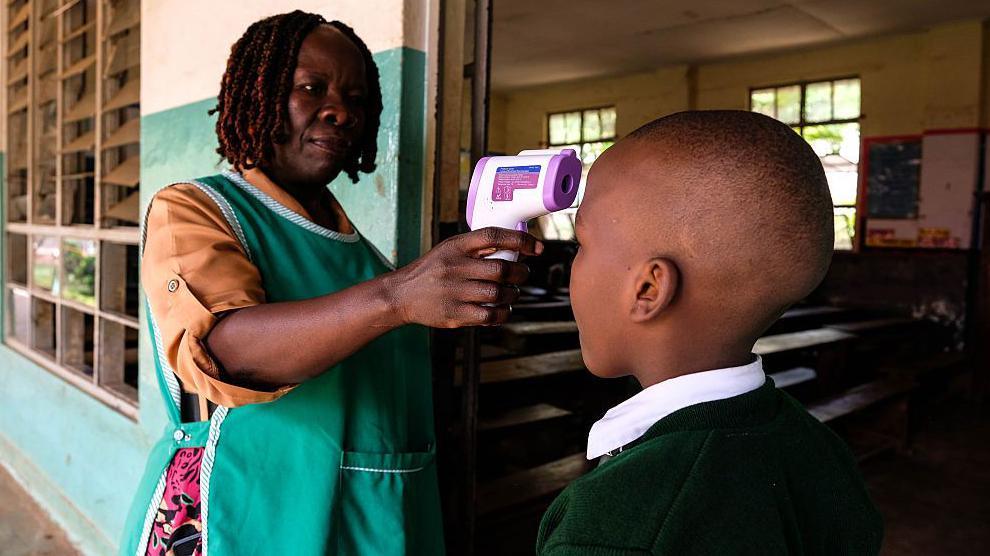
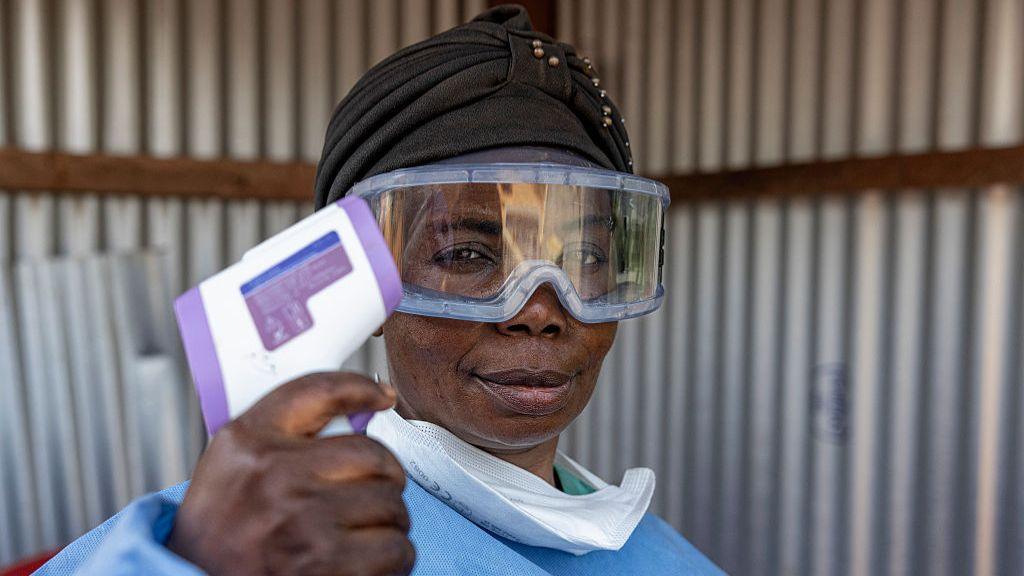
Today, there are more than 4,300 laboratory‑confirmed Ebola cases, with over 2,000 deaths. Even as WHO urges governments to tighten contact‑tracing and isolation, officials stress that only “bringing transmission under control” is realistic in the near term; ending the outbreak entirely will depend on wider vaccination and therapeutic strategies.
The strain responsible, the Bundibugyo virus, has caused only two previous outbreaks—back in 2007 and 2012. Its rarity has left no licensed vaccine or definitive antiviral treatment in the global arsenal, although a handful of scientists are now testing vaccine candidates developed by Oxford and other teams.
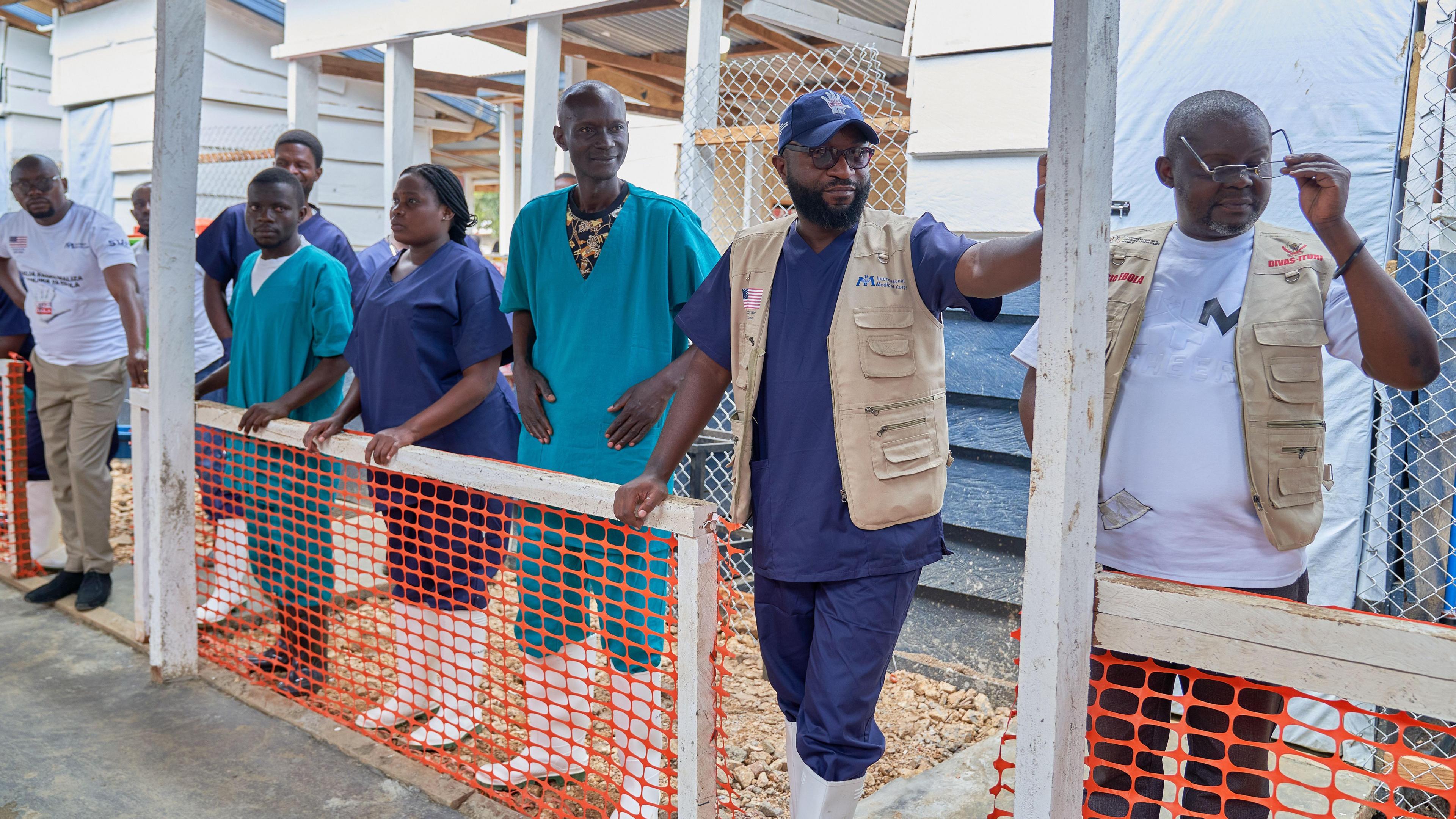
DR Congo’s volatility—armed conflict, rebel activity, and fragile infrastructure—has meant that health workers reach only around 30 % of cases. As the virus slips through the cracks, the chances for community‑driven containment shrink.
Ebola is primarily transmitted through direct contact with blood, vomit, or other bodily fluids from infected individuals. The disease’s incubation spans two to 21 days, beginning with flu‑like symptoms before progressing to vomiting, diarrhoea and organ failure.
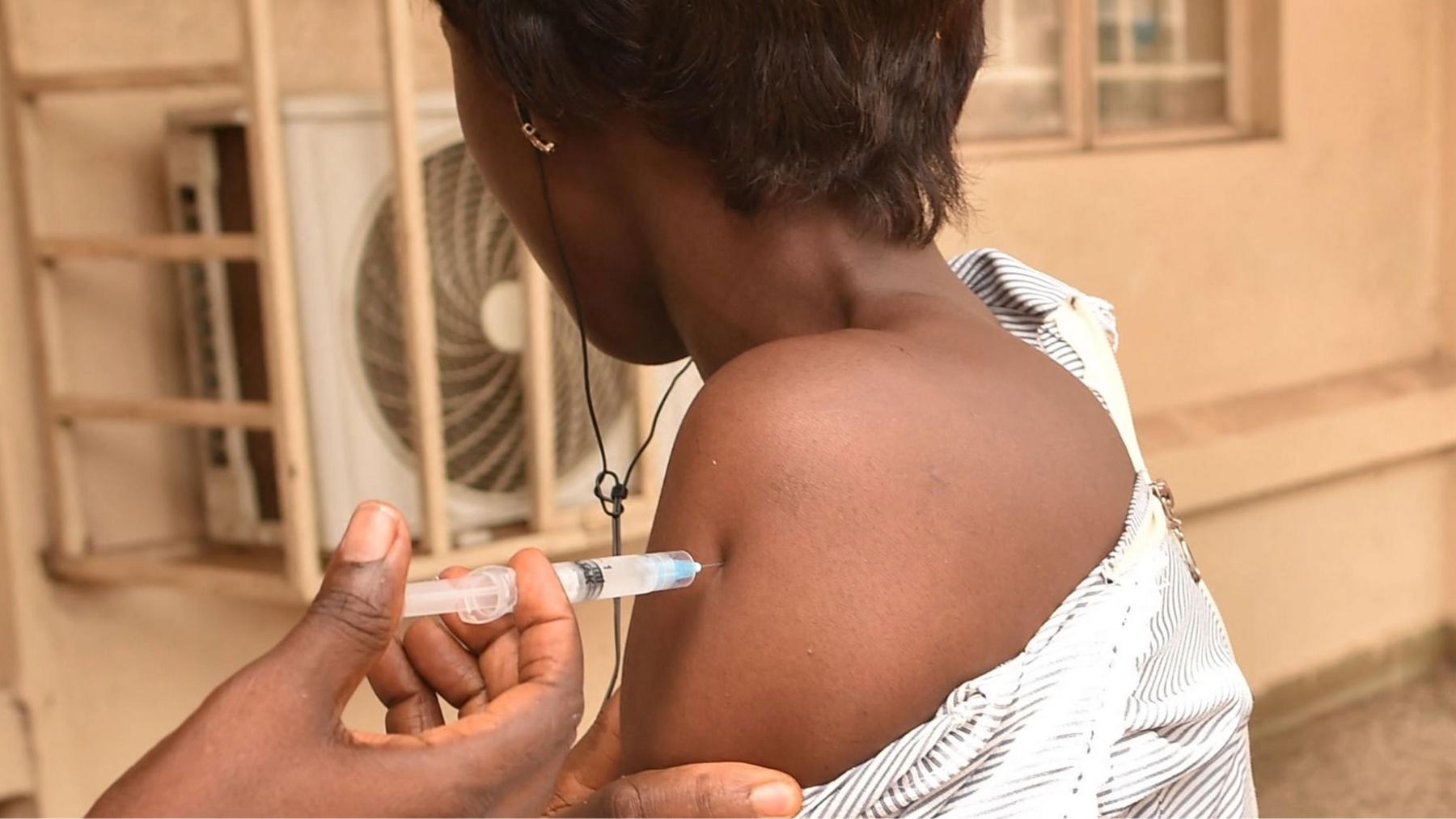
In response, the UK Medicines and Healthcare products Regulatory Agency (MHRA) has authorised the first human trials of a Bundibugyo vaccine. The work pivots on technology used in the Oxford‑AstraZeneca Covid‑19 vaccine, promising a potential solution should the disease spread further.
Meanwhile, WHO is running a clinical trial in DR Congo to test whether existing antiviral therapies—originally designed for other viral diseases—can improve survival rates among Ebola patients. The hope is that a combination of rapid vaccination and effective treatment can ramp down the outbreak’s death toll before it spirals further.
With the region’s fragile health system and the international community’s limited resources on a tight leash, this story underscores how fragile life can become when a virus, no longer familiar or easily treated, spreads unchecked. The urgent need for coordinated prevention, detection, and treatment remains the single most critical factor to keeping DR Congo from becoming the next epicenter of global violence.