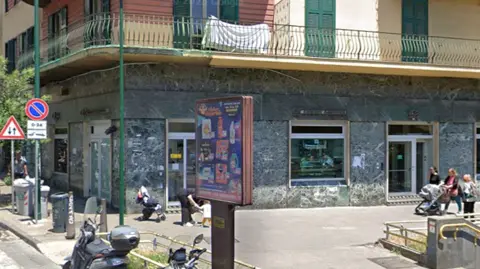
When Salvatore stepped onto the street of Ponticelli—Naples’ southern suburb—the wheels of his scooter groaned under 170 kg, the equivalent of 26st 10lb. He can neither tie his own shoelaces nor walk long distances. “He eats constantly,” his mother Anna says, and the hearing of her voice rattles through the small living room.
Salvatore’s story is not an isolated one. In Campania, more than 40 % of eight‑year‑olds are overweight, and the town of Ponticelli has earned notoriety as one of the world’s child‑obesity capitals. Italy, whose cuisine is world‑famous for its Mediterranean diet, now hosts the most overweight children on the continent, according to the World Health Organization.
Medical Interventions and New Treatments
At Betania Hospital, Dr Sonja Chiappetta has pioneered bariatric surgery for adults for the past 15 years. The procedure removes up to 90 % of the stomach, drastically limiting the amount of food that can be eaten. While demand has surged, Salvatore is still too heavy for the operation, and his surgeons have prescribed a GLP‑1 weight‑loss injection to curb his appetite in hopes that he will weigh enough for surgery.
The Fast‑Mimicking Diet Pilot
The Campania region has begun a controversial pilot program. Over the course of a year, 300 overweight adolescents will live on a restricted 1,100‑calorie day followed by four days of 770 calories. This cycle repeats every three months in the hope of triggering a metabolic reset. Critics, like Dr Roberto Berni Canani, worry the diet could foster eating disorders in a still‑forming adolescent relationship with food.
School‑Based Education Efforts
From primary to secondary schools, teachers are beginning nutrition workshops. In the Ugo Foscolo school, a gym barely holds 20 children, making physical activity difficult. An educator says, “In Neapolitan culture, a chubby child is often seen as healthy.” To change this view, students will carry home lessons for their families.
A National Law that Recognises Obesity as a Chronic Disease
In 2025 Italy passed the first law recognising obesity as a chronic, progressive, relapsing disease rather than a simple lifestyle choice. The law enshrines a multi‑sector approach, recognising biology, environment and social circumstance as drivers, and invites new clinical guidelines.
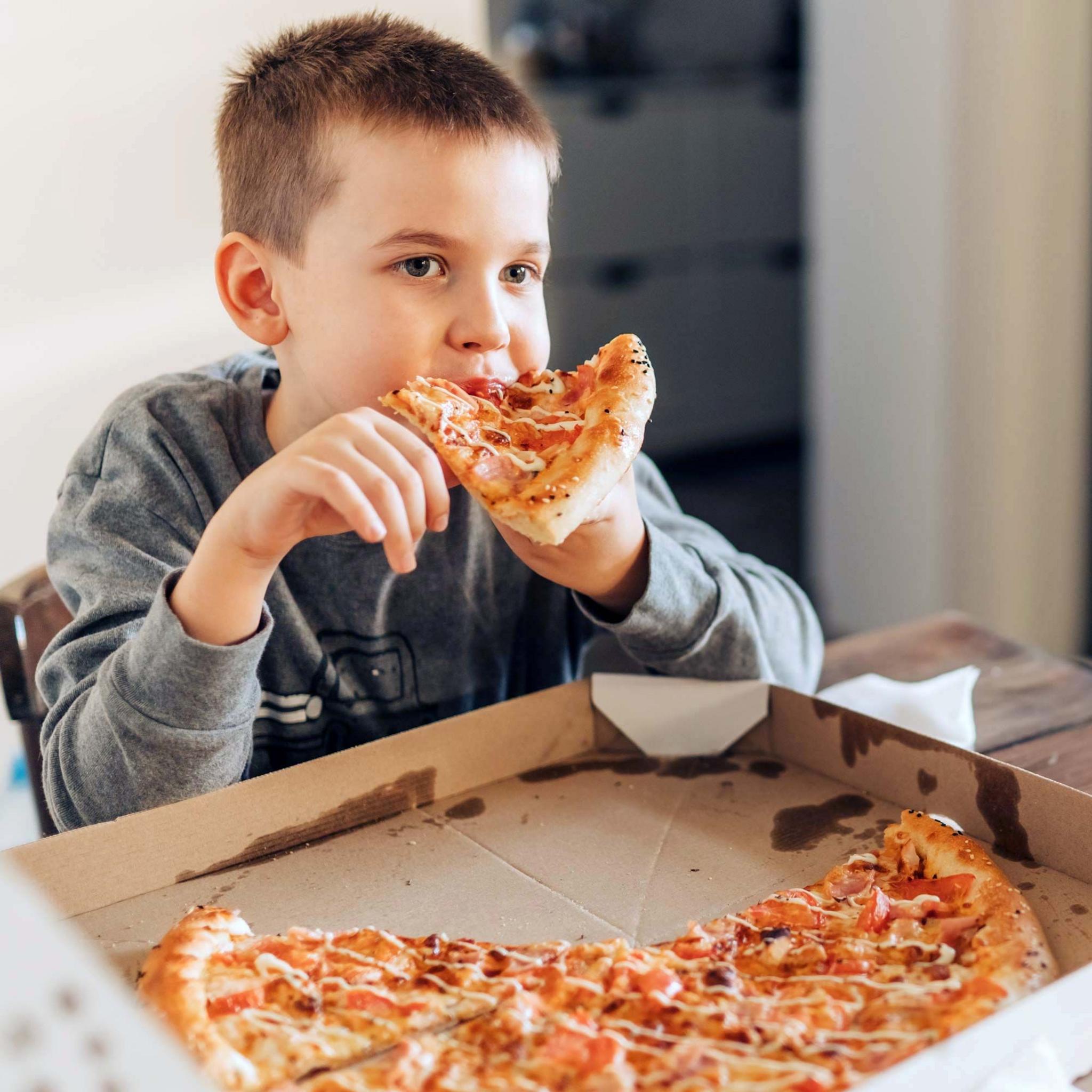
While millions of Italians still stick to what researchers call the “five Ps”—pizza, pasta, potato, protein and pane—there is a growing movement to revive the Mediterranean diet’s original ingredients: vegetables, legumes, olive oil, whole grains and fish. Somewhere in this complex conflict, a 17‑year‑old boy dreams of moving freely in a swimsuit, hoping that, in the near future, he might walk, play, and breathe easier.
See the full coverage and hear experts speak on the fights over obesity across Italy, now and tomorrow.