In brief
African health ministers convened with Africa CDC and WHO on 29 October to confront an outbreak that has exceeded 10,000 confirmed cases across four countries. Leaders urged heightened containment readiness, highlighted gaps in supplies and cross‑border surveillance, and called for sustained, coordinated action. The meeting followed a May declaration of the outbreak and highlighted Nigeria’s progress after evacuation of its first case.
On Wednesday, African health ministers, representing four countries—Democratic Republic of the Congo, Uganda, Kenya, and Nigeria—joined Africa CDC and the World Health Organization for a virtual emergency meeting to confront a rapid surge of the Bundibugyo strain, which has surpassed 10,000 confirmed cases and nearly 5,000 deaths.
The meeting, held online from Addis Ababa, underscored a growing concern that the outbreak has escalated from a national crisis to a continental health security test, according to Africa CDC Director‑General Jean Kaseya, who called for a collective, urgent response to stop Ebola before it spreads further.
Data presented during the session showed 10,172 confirmed cases, including 4,932 deaths and 2,727 patients who had recovered, translating into a case‑fatality rate of 48.5 percent, the highest in recent history.
"The main priority today on our continent is to stop Ebola," Kaseya said, urging that insecurity, complex humanitarian situations, lack of medical countermeasures, and limited funding be addressed.
He noted that the outbreak’s exponential growth over the past five months required a dedicated, unified response across borders.
WHO Director‑General Tedros Adhanom Ghebreyesus, speaking on behalf of the organization, stressed that the outbreak was “extremely serious and difficult.”
"This outbreak in the DRC is not a single outbreak in a single place. It is many outbreaks across a vast and complex area, requiring a sustained response everywhere at the same time," Ghebreyesus said.
He highlighted that recent measures taken by authorities in Uganda, Kenya, and Nigeria demonstrated the continent’s capacity to manage outbreaks when detection is timely and responses are rapid.
Kenyan health director‑general Patrick Amoth described the country’s response as a "whole‑of‑government and whole‑of‑society" approach, but also identified significant gaps. He warned that health workforce infections, cross‑border spread bypassing existing surveillance, and an overreliance on donated medicines amid a lack of licensed vaccines or specific therapeutics were critical deficiencies that could undermine containment.
In Nigeria, the story that can be traced to a Bluesky account reports that after the medical evacuation of the country’s first confirmed Bundibugyo case, no active Ebola cases have been reported. This suggests progress in containment but also underscores the need for continued vigilance. The country remains one of four affected until a full epidemiological assessment is completed.
The roots of the outbreak can be traced back to a declaration in May 2026, when the Bundibugyo strain was identified as a new threat following months of undetected spread. Since then, the disease’s rapid expansion has strained existing public health infrastructure and highlighted systemic challenges across the continent.
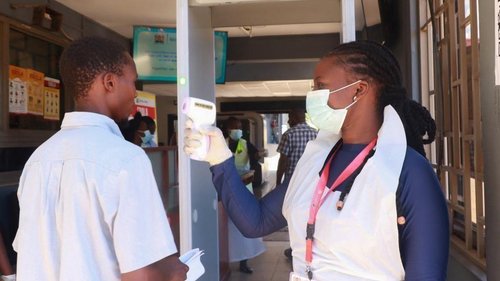
The emergency meeting’s outcomes recommend intensified readiness: increased surveillance, rapid diagnostic testing, provision of medical countermeasures, and coordinated cross‑border information sharing. Experts question how rapidly funding can be pooled, how effectively workforce training can be deployed, and whether existing supply chains can deliver licensed vaccines should they become available.
While the call for solidarity and preparedness was clear, unanswered questions remain about how the African CDC, national ministries, and international partners will mobilize resources, ensure equitable access to care, and sustain the response amid political tensions and logistic hurdles. The meeting’s emphasis on a whole‑of‑government approach signals a shift toward integrated, collaborative containment, but the focus remains on translating words into decisive, well‑coordinated action.