In brief
An investigation into the deaths of 33 suspected miners in a Minna detention cell unveiled brutal overcrowding, extreme heat and a lack of basic facilities as the root causes. Forensic evidence linked all deaths to acute respiratory failure from prolonged confinement and dehydration. The inquiry criticised the absence of an approved operation plan and the failure of officers to respond to repeated distress calls. Interior Minister Olubunmi Tunji-Ojo pledged legal action, suspended involved officers, and proposed compensation of 30m naira for bereaved families and 10m naira for survivors.
The Investigation Reveals a Systemic Failure
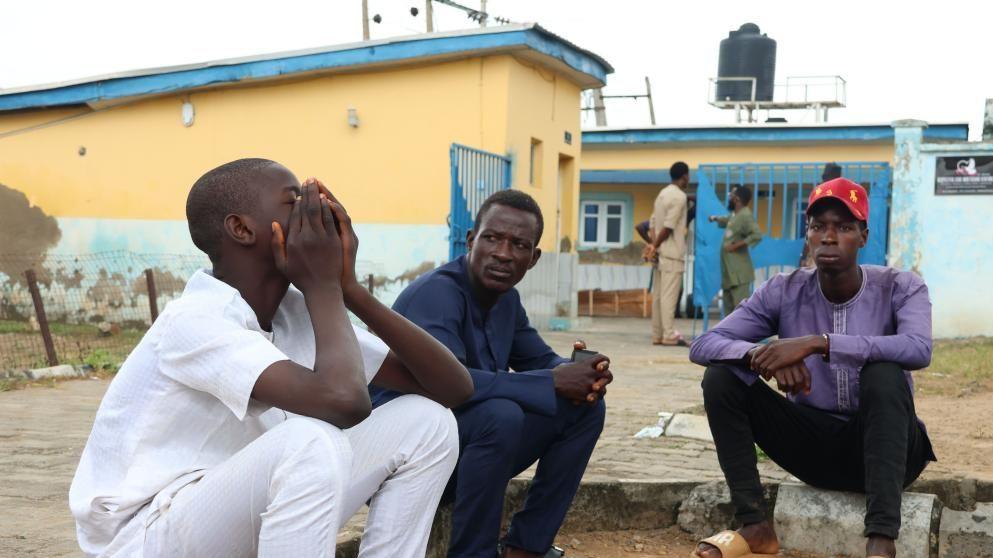
In Minna state, police arrested 50 men on suspicion of illegal mining. While most of the accused were legal operators, a 20‑square‑metre cell cramped with fifty detainees became the site of a fatal tragedy on 17 September. Over three dozen detainees died, largely from acute respiratory failure aggravated by heat, dehydration and a lack of ventilation.
Overcrowding and Neglect
Officials had no running water or functioning toilet, and food and water supplies were insufficient. Police officials ignored repeated banging on cell doors and pleas for water – a blatant disregard of basic human rights.
No Evidence of Disease Outbreak
Investigators found no signs of an infectious disease. The deaths were the result of prolonged confinement in oppressive conditions rather than a contagious illness.
Accountability and Compensation
Interior Minister Olubunmi Tunji-Ojo announced that key officers would face suspension and the matter would be forwarded to the Attorney General. The committee recommended 30m naira compensation for each bereaved family and 10m naira for surviving detainees.
The report underscores the need for rigorous detention standards, proper oversight and immediate medical care for those in custody. The Minna tragedy now serves as a cautionary tale for all Nigerian authorities: neglect and overcrowding can turn a routine detention into a preventable massacre.