In brief
Donald Trump’s 2024 campaign promised swift relief from inflation, yet the latest statistics show prices have remained stubbornly high. The economy is growing at 2.2 %, unemployment stays at 4.2 % and the stock market hits record highs, but ordinary voters feel the pain of rising grocery bills and gasoline costs. The article contrasts Trump’s narrative—with tariffs and the US‑Israel conflict being cited as culprits—with Biden’s earlier post‑pandemic struggles and shows how public sentiment often eclipses official metrics. Economists warn that Trump‑era tariffs have nudged consumer goods up 3 %, and a flare‑up with Iran has shooed up oil prices. Facing a mid‑term test, Trump’s proposals—from credit‑card interest caps to a $5,000 payment for working Americans—are scrutinized for whether they will satisfy voters or just add to the perception gap. In an era where perception can trump numbers, the real question is whether Trump can convince the electorate that the economy is finally under control.
The White House is in familiar territory: solid macro data do not automatically translate into voter approval when household budgets feel squeezed. For Donald Trump, this paradox persisted through the campaign and into the latest economic briefing.
In a 2024 campaign pledge, Trump promised to ‘immediately bring prices down’ if elected. The pledge was crystal clear for voters who, like many, were watching prices climb during the pandemic, the war in Ukraine and the US‑Israel conflict with Iran. Yet after a year of presidential promises, the Department of Labor’s inflation report still shows consumer prices up 3.7 % year‑over‑year.
Behind the numbers, a deeper story unfolds. Economic growth remains robust—2.2 % in real GDP—while the unemployment rate sits at a healthy 4.2 %. The stock market is close to record highs. Yet for many, these figures feel distant. Grocery, gasoline, and prescription costs continue to rise, outpacing the modest 3 % rise in average hourly wages over the past year. A gap that keeps voters pressing Trump for action.
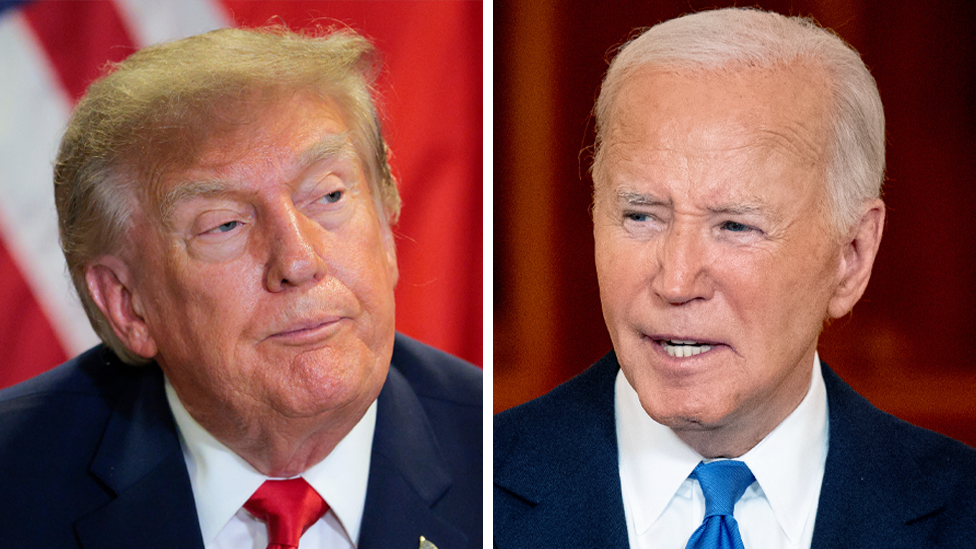
Trump has framed the inflation narrative as one inherited from the Biden administration. He points to growth, investment and market performance as evidence of a functioning economy. Critics argue that the current rise in prices can be traced to Trump‑era tariffs and the international fallout from the US‑Israel war with Iran. A Federal Reserve Bank of New York study estimates that tariffs added roughly 2.9 % to consumer goods prices. Added to that, rising oil prices driven by regional tensions have lifted petrol costs, tightening household budgets further.
Economists on both sides see the picture differently. While one side notes the overall strength of the economy, the other emphasizes the mismatch between headline figures and lived experience. Voters, according to seasoned pollster Celinda Lake, judge the economy through their own receipts rather than quarterly reports.
Facing the perception gap, Trump has floated several populist proposals. He has called for a cap on credit‑card interest rates and suggested a $5,000 payment to American adults if Republicans keep a congressional majority. Though these ideas echo old populist economics, they may not satisfy voters concerned about day‑to‑day costs.
The mid‑term elections may hinge on the ability of political machines to translate statistical proof into the public’s sense of economic security. In a landscape where sentiment often eclipses data, the real test for Trump is whether the administration can shift public belief that the price of living has finally stabilized.