In brief
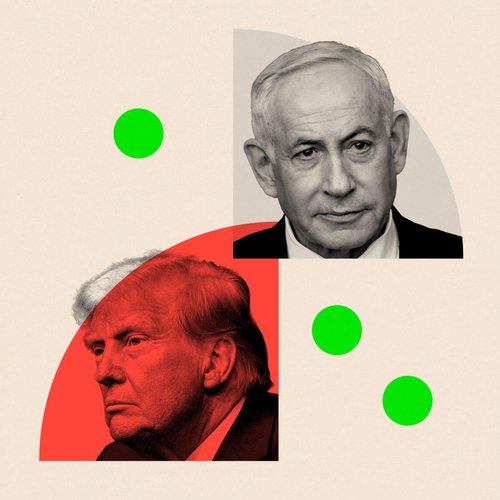
In an unexpected turn, Luiz Inácio Lula da Silva secured a fourth term in Brazil’s presidential race, a victory that directly challenges former U.S. President Donald Trump’s strategy to dominate Latin America through a coalition of right‑wing governments. Lula’s impassioned victory speech and vigorous rhetoric against U.S. interference resonated with voters, pushing his approval ratings higher and forcing Washington to ease punitive tariffs that had been imposed over Brazil’s electoral questions. While Trump initially praised Lula’s strength yet called the election “terrible” and “rigged,” the Brazilian leader’s stance has shifted the U.S. focus away from an ideal 10th prize in a “Shield of Americas” alliance, exposing underlying tensions over trade, security, and sovereignty that could flare up over the next four years.
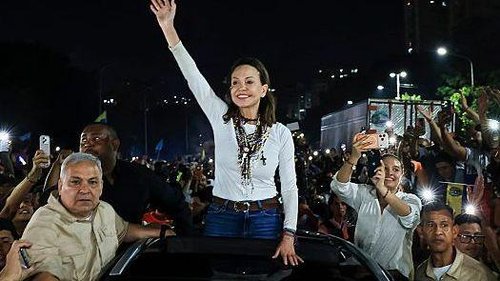
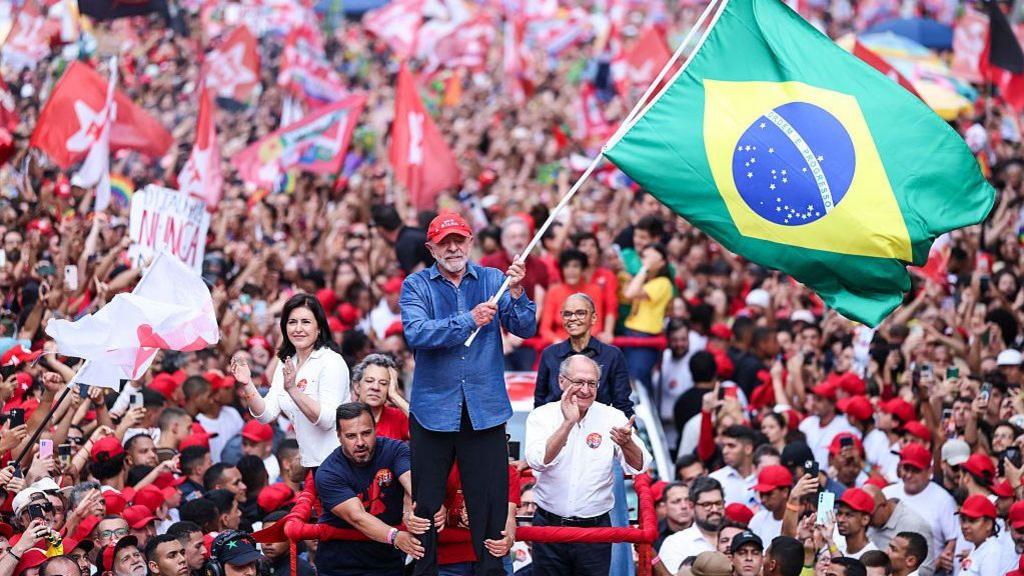
Brazil’s presidential contest saw former worker‑turned‑president Luiz Inácio Lula da Silva secure a historic fourth term, a result that surprised Washington and undermined former U.S. President Donald Trump’s desire to assemble a right‑wing coalition called the “Shield of Americas.” Lula’s triumphant speech on Saturday equated Brazil’s sovereignty with a direct rebuke of American meddling: “Brazil will not accept being anyone’s backyard.” The message resonated with a populace incensed by punitive tariffs that had been imposed earlier this year over accusations of U.S. interference in Brazil’s domestic politics.
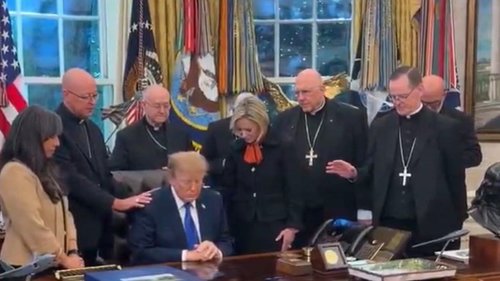
The shift in power has already reshuffled Washington’s trade strategy. After Bolsonaro was embroiled in a domestic crisis, the U.S. retaliated by slashing agricultural exports to Brazil, a move that Lula’s administration aggressively criticized as “unpatriotic.” Despite initial scuffles, the two leaders recently met at the United Nations and later in the Oval Office, where Trump praised Lula as a “strong leader” even as he denounced the election as “rigged.” Their encounter illustrated a pragmatic softness that has no guarantee against further strains.
Lula has taken a very clear stance against U.S. military interference in the region, from sanctioning Venezuelan leaders to condemning the American designation of Brazilian gangs as terrorist organisations following Flávio Bolsonaro’s lobbying. These positions stand in stark contrast to the right‑wing Latin American governments that Trump has tried to co‑operate with – countries such as Chile, Colombia and Peru that welcome U.S. influence and have aligned themselves with the President’s policy of broadly controlling narcotics trafficking.
Despite the high stakes, the United States remains Brazil’s second biggest trading partner after China. But an undercurrent of distrust remains: the U.S. criticised the Brazilian instant‑payment system Pix for “stealing” business from Visa and Mastercard, while Brazil threatened visa restrictions on U.S. officials over alleged attempts to unseat its president. As Lula’s four‑year term in office unfolds, any sliding back into U.S. interferences over elections, trade or security could melt the fragile gains now in place.