In brief
Two elections, one continent apart, are unfolding in quick succession and their outcomes will reverberate around the world. Israel’s vote for a new Knesset comes on the eve of a U.S. mid‑term election that determines Congressional control. Both political landscapes are linked through the stalled Iran conflict, energy supplies, and the heavy defence bills that are straining public finances in both countries. The decisions voters make will dictate whether Washington and Tel Aviv continue to press an offensive posture against Iran or adopt a more restrained strategy, potentially reshaping geopolitics and markets for years to come.
In the next week, two pivotal votes are on the ballot: Israel’s parliamentary election on 27 October and the U.S. mid‑term congressional vote on 3 November. The proximity of these elections feels like fate employing a roll of dice that might tip the balance of power in the Middle East and beyond.
Why the Timing Matters
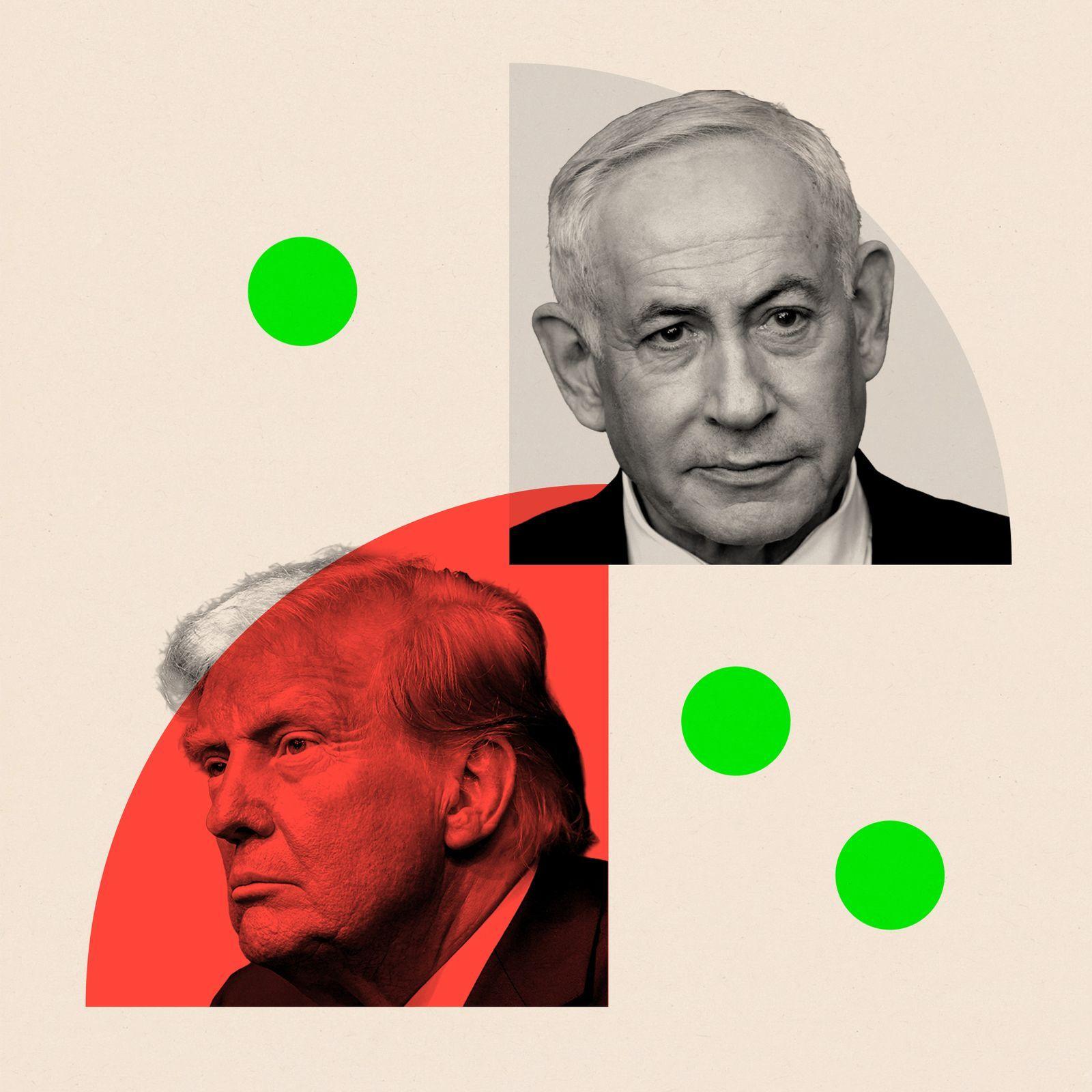
Israel’s prime minister Benjamin Netanyahu is pushing a new campaign narrative that could lead to a fresh attack on Iran. Meanwhile, U.S. President Donald Trump has publicly lauded Netanyahu’s hardline stance and signalled a potential post‑electoral “legacy” that could see a new round of strikes if Washington feels politically free.
A Shared Voter Base
Half a million Israeli citizens hold U.S. passports and are eligible to vote in both elections. Groups such as Republicans Overseas Israel estimate that these dual electors could tip tight U.S. contests, such as Michigan’s Senate race, with up to 10,000 absentee ballots. Their impact underscores the strategic linkages between the two democracies.
The Iran Impasse
Since February’s all‑out air strikes, Iran has retaliated with threats that threaten civilian infrastructure and U.S. naval assets. It remains unclear whether Washington, already strained by the cost‑of‑living crisis, will renew the offensive. A fresh strike could plunge the Strait of Hormuz into chaos, inflating global oil prices and stoking regional instability.
Economic Stakes
Energy costs have already surged in the U.S. as the oil pipeline frames the world’s atmosphere. Israel’s defence budget is swelling, further squeezing public finances. Both governments are courting voters with promises to lower bills amid soaring prices—a gamble that could backfire if an escalation in the Middle East triggers a new surge in energy markets.
Political Consequences
If Democrats tilt the House, the U.S. could impose new limits on military aid to Israel, adding pressure to the Allies. On the other hand, a Republican‑led Congress backed by a Trump presidency would likely keep the oil‑rich Middle East doctrine in motion, potentially accelerating the conflict. Israel’s electoral outcome could also pave the way for a new governor who may either soften or harden the policy against Tehran.
With the stakes so high, the world is watching. How the next two ballots will influence global security, economic stability and international alliances remains to be seen.