In brief
A decade after kneeling for police reform, Colin Kaepernick remembers the cost of his protest and no longer regrets the gesture. He reflects on the backlash, his legal battle with the NFL, and the wider role of athletes in politics. Kaepernick welcomes the revival of the kneeling movement in international sport and stresses that sports are inseparable from politics. The ex‑quarterback shares personal details from his memoir, discusses his philanthropic work, and urges a continued fight for equality.
The former 49ers star recalls the cost of his kneeling protest and says he would do it again, even as he pushes for social change worldwide.
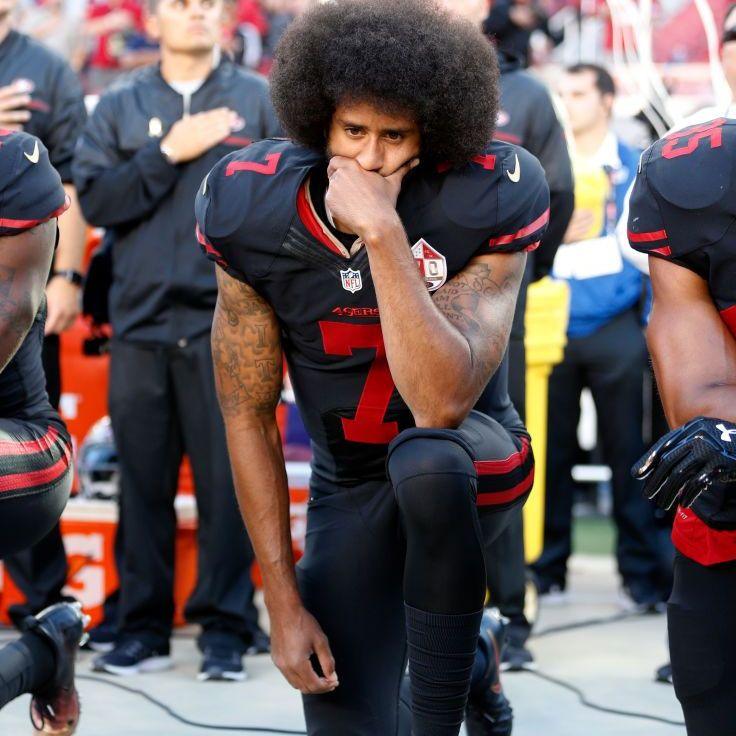
In September 2016, the NFL quarterback lowered himself before the national anthem to draw attention to police brutality and systemic racism. The act made him a national icon for some and a target for ridicule by others, and it ultimately cost him a career in professional football.
When Kaepernick talks now, just ten years later, he remembers the fury of critics and the lightning‑fast rise of hate messages that followed his very first knee. He explains that he knew the move could hurt his contract prospects and that the price might even be the loss of his job, but he proceeded because he felt no alternative.
He was not alone. The gesture sparked a wave of athletes across the United States and eventually the United Kingdom, where England footballers and other sports personalities began kneeling at the start of warm‑ups. Kaepernick says seeing that global embrace was “humbling” and reinforced that the protest was not confined to one league.
Political reaction has been mixed. Donald Trump lampooned the act and called it “the worst thing.” The NFL initially threatened teams with fines, and Kaepernick later filed a grievance that concluded with a settlement in 2019. He has made the rare choice to keep his campaign livable, staying in shape for a possible NFL return while advancing education projects through his Know Your Rights initiative.
He remains a leading voice in athlete activism. Kaepernick has published a memoir that delves into his upbringing, the racism he faced, and the years that made the protest inevitable. He also creates children’s books that highlight civil‑right lessons, reinforcing his commitment to cultural change.
Kaepernick insists that sports cannot be divorced from politics. He points to the myriad ways political influence permeates the industry—from taxpayer‑funded stadiums to owners sponsoring campaigns—making it absurd to claim players are neutral. He argues that athletes have a platform and a responsibility to speak out, a stance he believes the United States needs now more than ever.
He concludes that the conversation about equality is far from finished. He calls for a collective effort that leads to structural changes, noting that there is still a lot of work to do in communities across the globe.