In brief
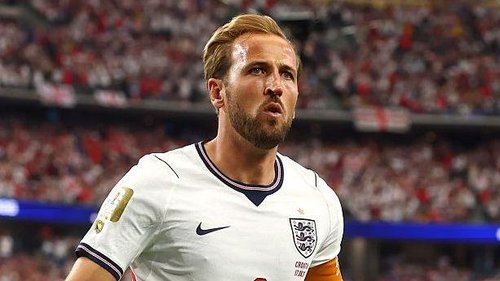
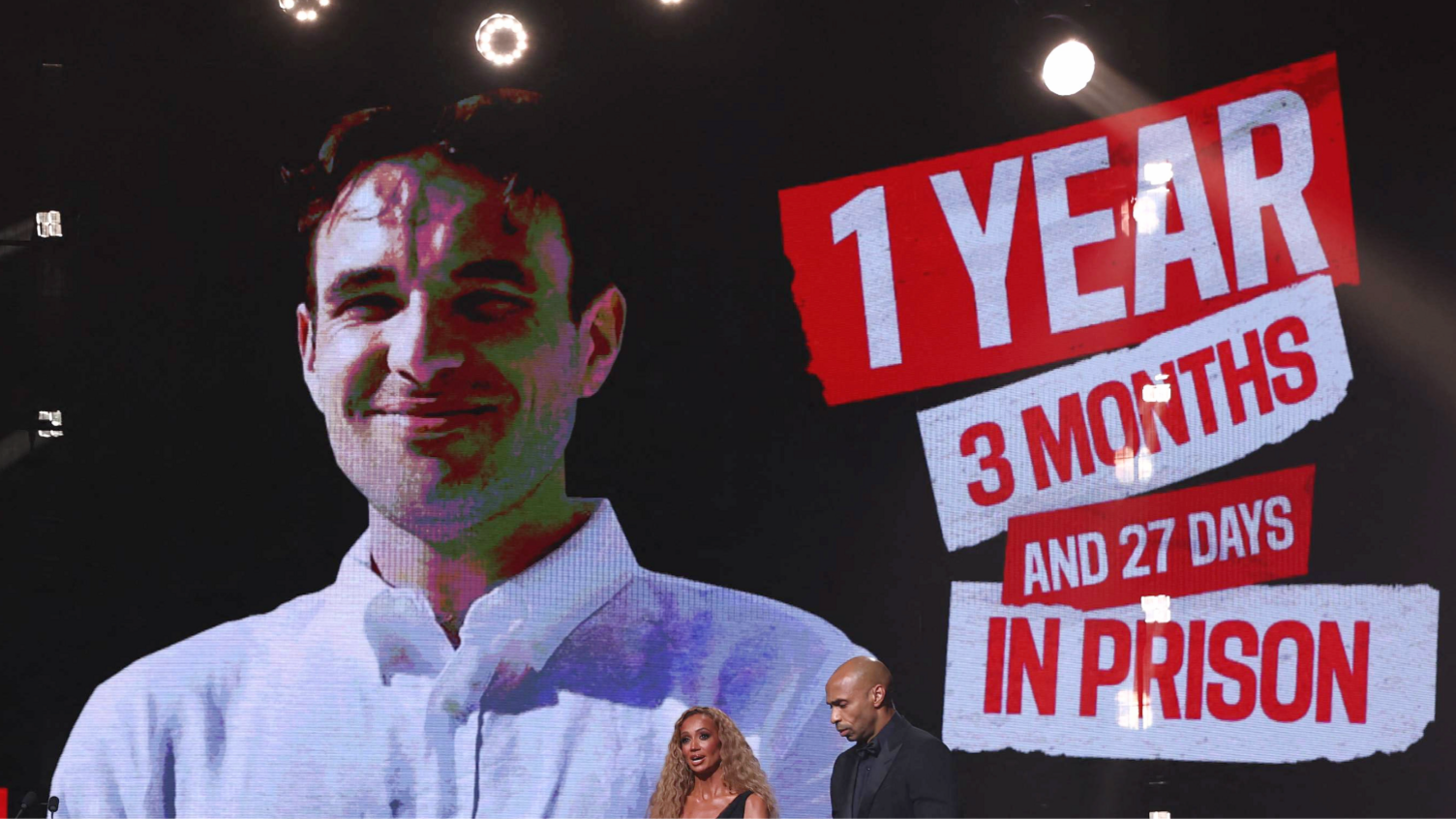
During the 2026 Ballon d'Or ceremony in London, presenters Kate Scott and Thierry Henry dedicated the event to French sports journalist Christophe Gleizes, who is serving a seven‑year prison term in Algeria. Gleizes was arrested in May 2024 while reporting on the Kabylie‑based club Jeunesse Sportive de Kabylie, an organization linked to an outlawed separatist movement, and is accused of supporting terrorism. Reporters Without Borders argues the contact with club officials was journalistic, citing Gleizes’ earlier apology for visa misuse. The case unfolds amid heightened Franco‑Algerian tensions and international scrutiny over Algeria’s treatment of journalists. A solidarity football match is planned to coincide with Gleizes’ 500th day in detention, drawing former national players and local politicians.
Ballon d'Or ceremony spotlights French journalist’s Algeria imprisonment
The 2026 Ballon d'Or awards, hosted for the first time in London, dedicated the event to Christophe Gleizes, a 37‑year‑old sports reporter serving a seven‑year sentence in Algeria.
Gleizes, who writes for French magazines So Foot and Society, travelled to Algeria in May 2024 to cover Jeunesse Sportive de Kabylie (JSK), a club based in the Kabylie region that is closely tied to the outlawed Movement for the Self‑Determination of Kabylie (MAK). Algerian authorities accuse him of possessing materials deemed harmful to national security, alleging that his contact with a JSK official constituted support for terrorism.
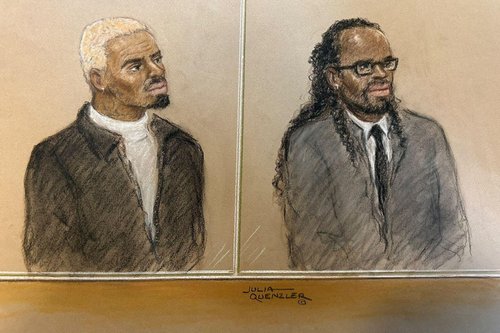
During an appeal hearing last December, Gleizes admitted to entering the country on a tourist visa instead of a journalist visa and expressed a desire to reunite with his family. Prosecutors, however, maintained that he entered to commit a “hostile act.” Reporters Without Borders (RSF) counters that the exchanges were strictly journalistic and that some contacts predated the group’s ban.
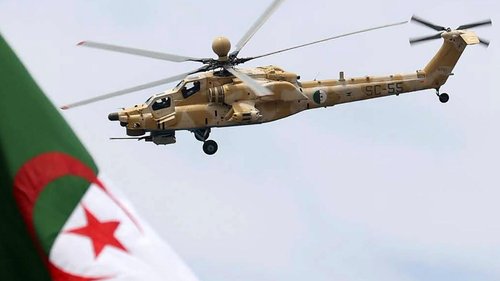
The Ballon d'Or dedication has drawn sharp criticism from the Algerian Republic, which has yet to comment on the ceremony. RSF announced a solidarity football match on 11 November—Gleizes’s 500th day in custody—plan to involve former France internationals Robert Pirès and Vikash Dhorasoo, along with Paris Mayor Emmanuel Grégoire, in a bid to pressure the Algerian authorities for his release.
Gleizes’s case reflects broader concerns about the suppression of press and dissent in Algeria, following the 2025 pardon of Franco‑Algerian writer Boualem Sansal after German President mediation. The situation coincides with deteriorated diplomatic ties between France and Algeria after France’s recognition of Moroccan sovereignty over Western Sahara in 2024, a move Algeria strongly opposes.