In brief
Police in southern Germany detained a 33‑year‑old man after a fire swept through Adolf Hitler’s mountaintop retreat, the Kehlsteinhaus, on Friday night. The blaze engulfed the historic building at 21:15 local time, prompting a rapid fire‑fighting response amid challenging terrain. Authorities suspect possible mental illness and a potential political motive, though investigations remain in early stages. The Kehlsteinhaus, once a Nazi headquarters, now serves as a museum and mountain inn, sparking renewed debate over preserving and repurposing sites linked to the regime.
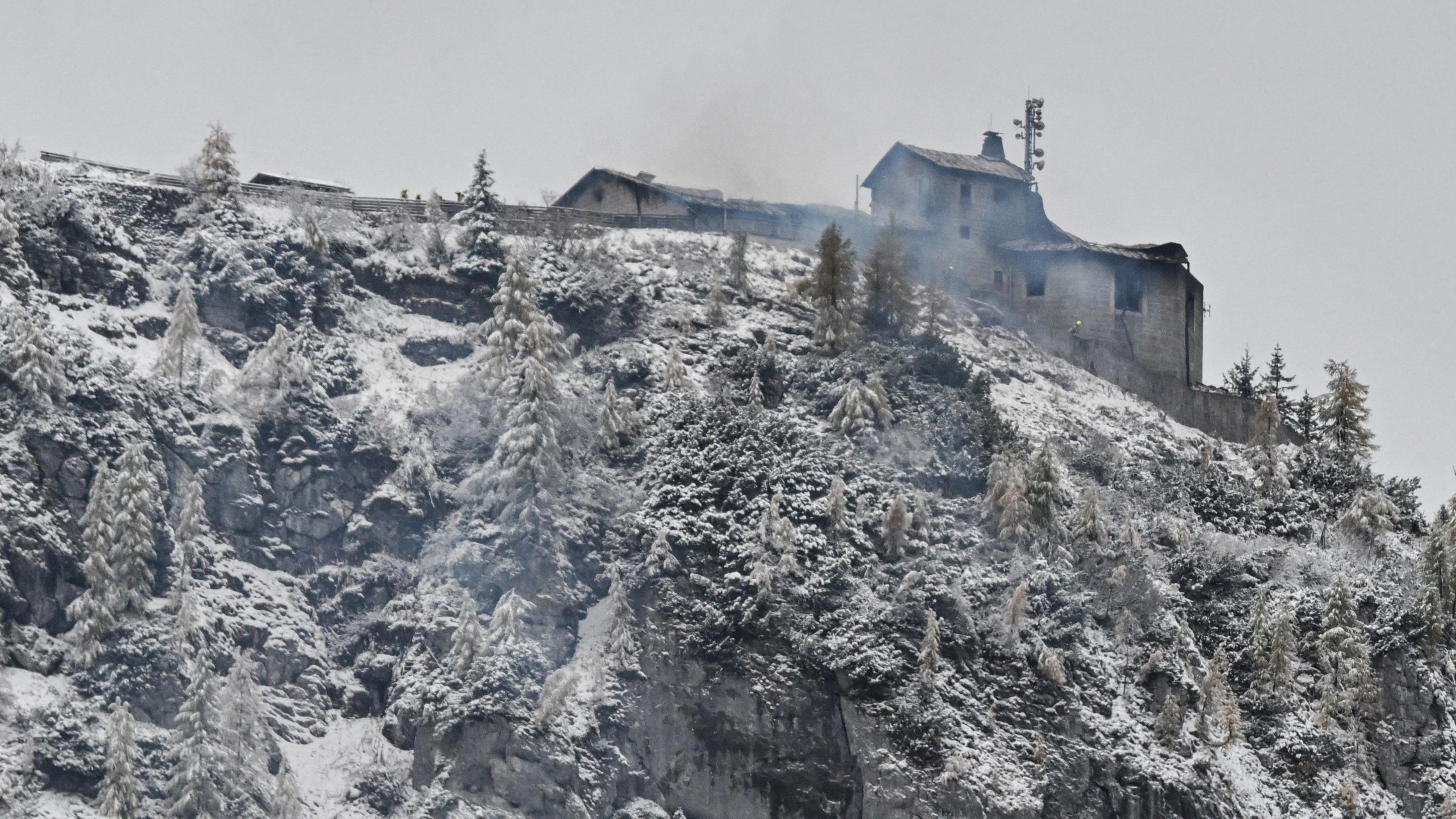
Police in the southern German state of Bavaria detained a 33‑year‑old German man during a fire that engulfed Adolf Hitler's mountaintop guesthouse, the Kehlsteinhaus, also known as the Eagle’s Nest.
Dispatchers in Traunstein received a fire alarm at 21:15 local time (19:15 GMT) on Friday; firefighters reached the scene to find the building in flames. Roughly 200 emergency personnel were deployed, but difficult terrain hindered efforts to extinguish the blaze overnight.
Police said they apprehended the suspect on a motorcycle near the site. No further suspects were identified, and a criminal investigation has been launched.
Prosecutor Rainer Vietze noted a psychiatric report indicating the man may have exhibited signs of mental illness, raising the possibility of diminished responsibility. He also mentioned that a political motive could be under consideration, but the investigation was described as in its early stages.
The Kehlsteinhaus, situated above Berchtesgaden at an elevation of about 1,800 m (5,900 ft), survived the end of World War II and has since become a popular tourist destination and mountain inn. It serves as a cautionary reminder of the atrocities of Nazi rule, according to its official website.
The building has been a focal point in wider debates over the preservation, repurposing, or demolition of structures associated with Hitler. While some advocate for preserving such sites for historical education, others fear they may become pilgrimage sites for neo‑Nazi groups.
Bavaria’s Interior Minister Joachim Herrmann emphasised that the site would be restored rather than left as a ruin, underscoring the state's commitment to remembrance and remembrance‑based heritage management.