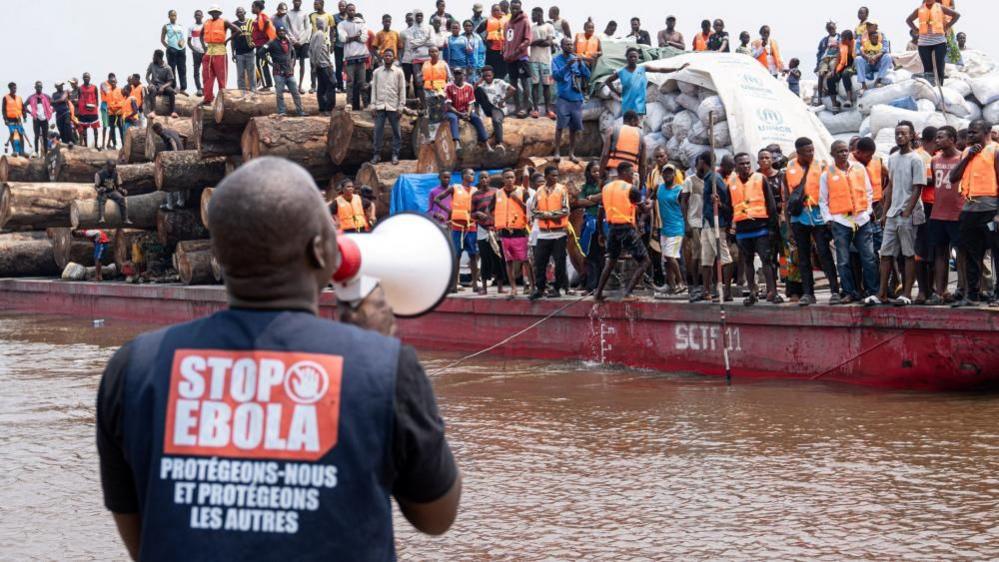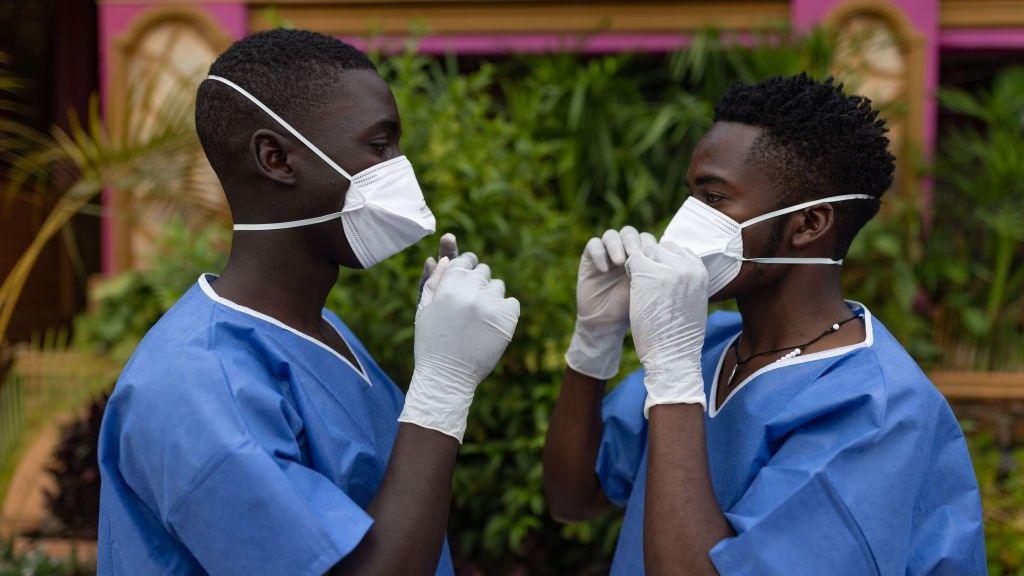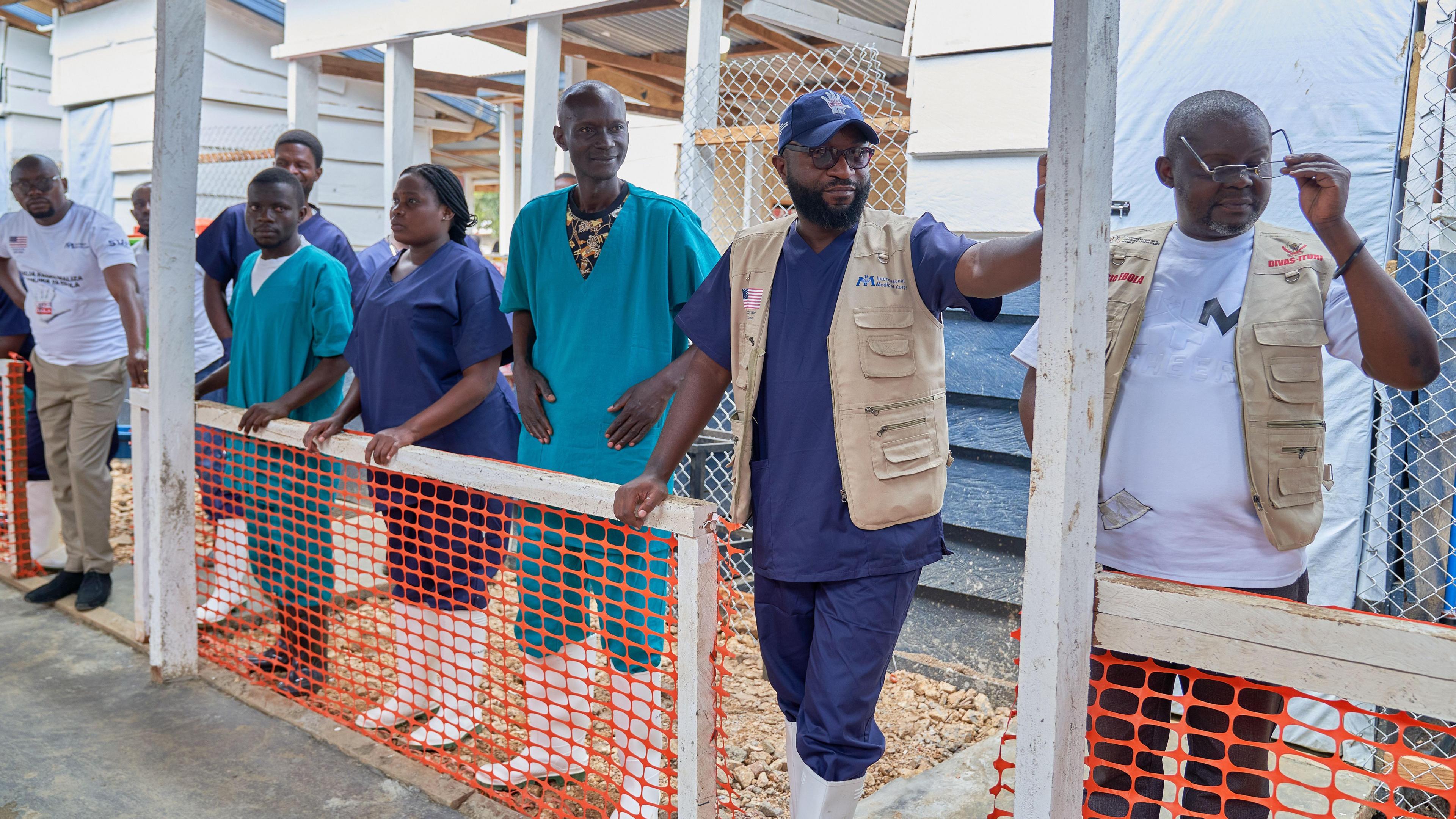
The Ebola outbreak in the Democratic Republic of Congo has eclipsed all previous outbreaks in the country, with 2,325 deaths reported since the disease was declared on 15 May. The figure surpasses the toll of the 2018‑2020 outbreak, making this flare‑up the deadliest in DR Congo’s history.
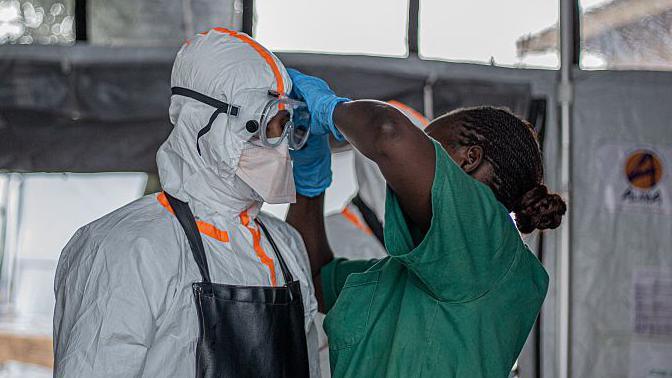
The spread reached six of the country’s 26 provinces, and the World Health Organization described the pace of spread as “exceptional.” In less than three months the outbreak has already claimed twice as many lives as the 2014‑2016 West African epidemic did in five months.
Health officials warned that the virus is killing someone every 30 minutes. The Bundibugyo species, which has caused only two known outbreaks before, currently infects an estimated 4,945 people, with 101 new cases in the previous 24 hours.
The outbreak has also crossed borders, with 20 confirmed cases in neighbouring Uganda, two people treated in Germany and one case in France as of 12 August. However, the bulk of transmission remains inside DR Congo.
The WHO says it hopes to bring transmission under control within three months, though the goal is not to end the outbreak entirely. It has also launched a separate trial to test two existing antiviral therapies for effectiveness in the region.
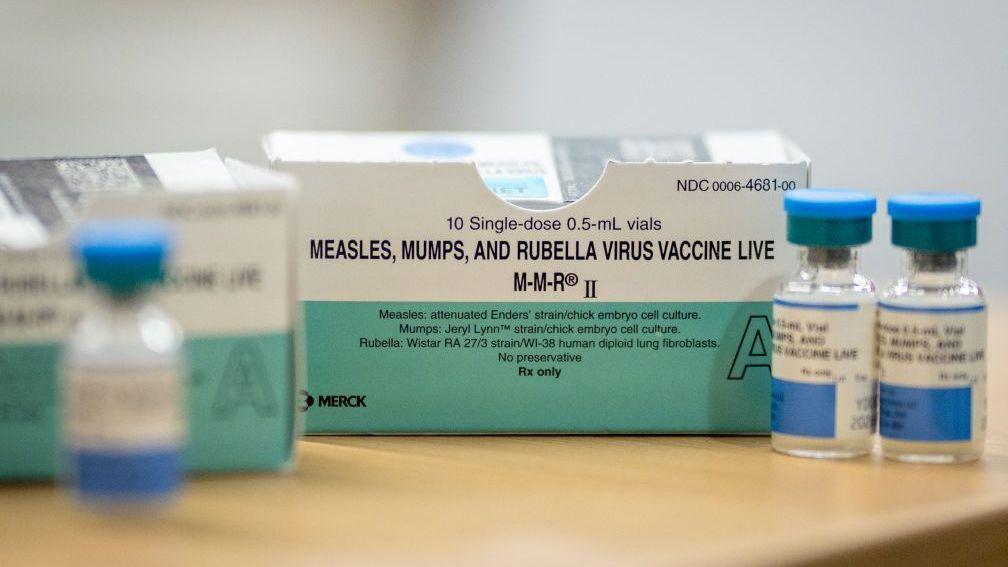
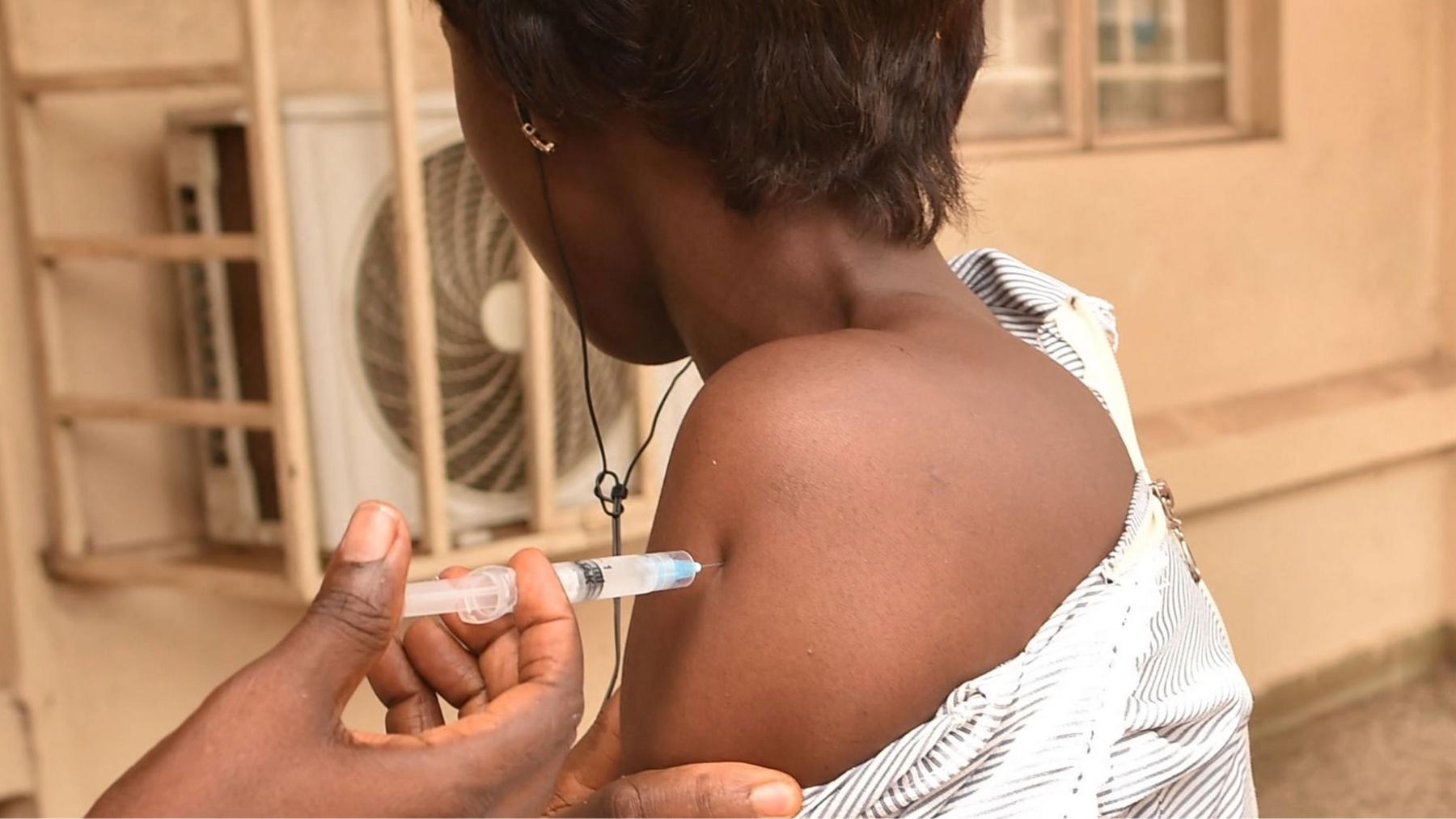
Vaccines for the Bundibugyo strain are being developed, with the first human trials approved by the UK Medicines and Healthcare products Regulatory Agency. The vaccine in development uses the same technology as the Oxford‑AstraZeneca Covid‑19 vaccine, and three other groups are working on different vaccine candidates.
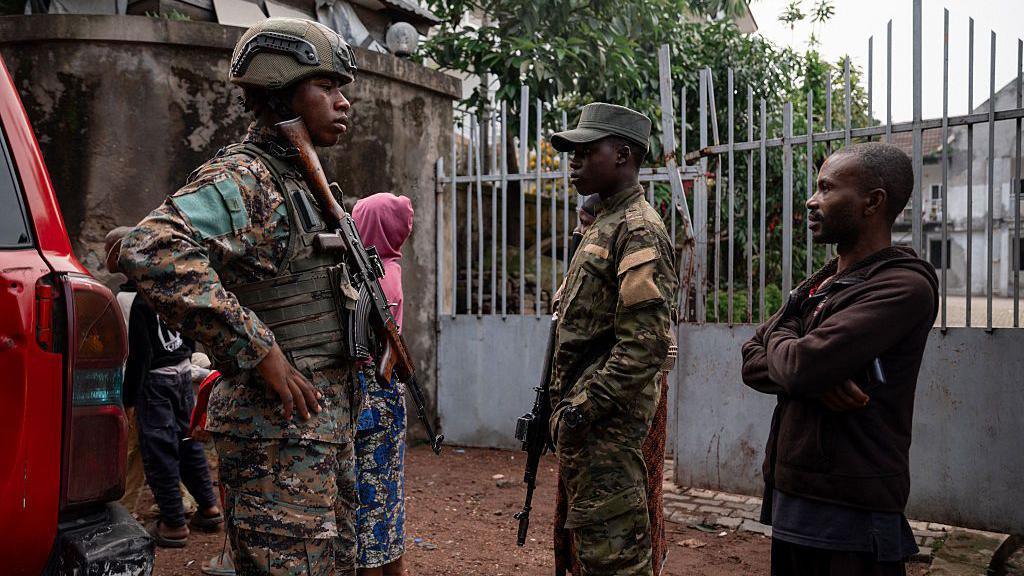
The outbreak comes amid a context of long‑standing conflict and high population mobility, which the government cited as major barriers to effective outbreak control. The rapid spread and high fatality rate underscore the urgent need for concerted international support and rapid deployment of healthcare infrastructure.
For more insights, read our companion stories on why Uganda is winning the battle against Ebola and Oxfam’s warning about resource shortages during this outbreak.