Uganda’s swift control stalls Ebola while DR Congo sees swelling outbreak
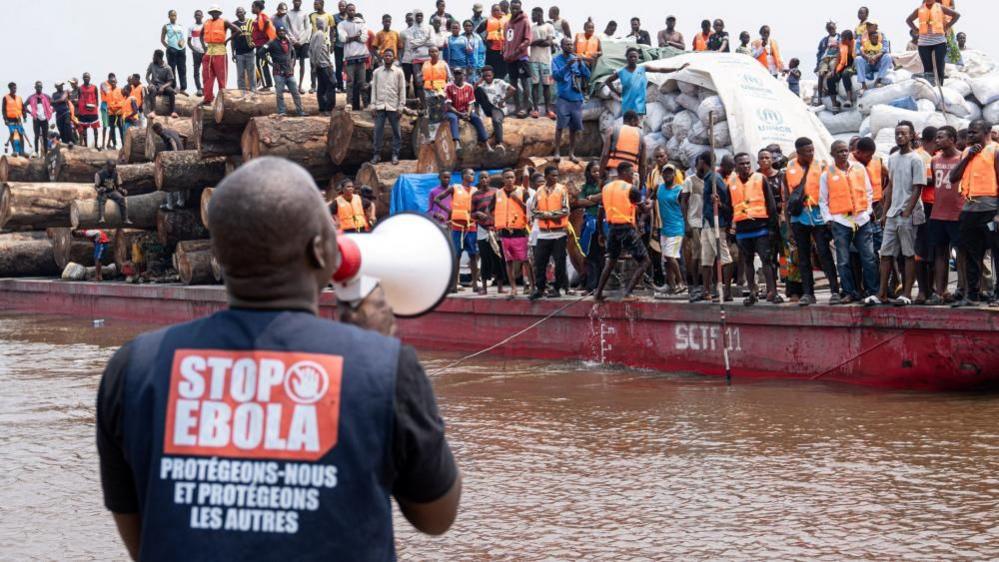
DR Congo’s latest outbreak, declared in May, now eclipses any previous spread with over 1,500 confirmed deaths, the official toll that experts say is likely a severe under‑count. The virus is spreading faster than prior surges, shining a light on weaknesses in surveillance, border management and community trust.
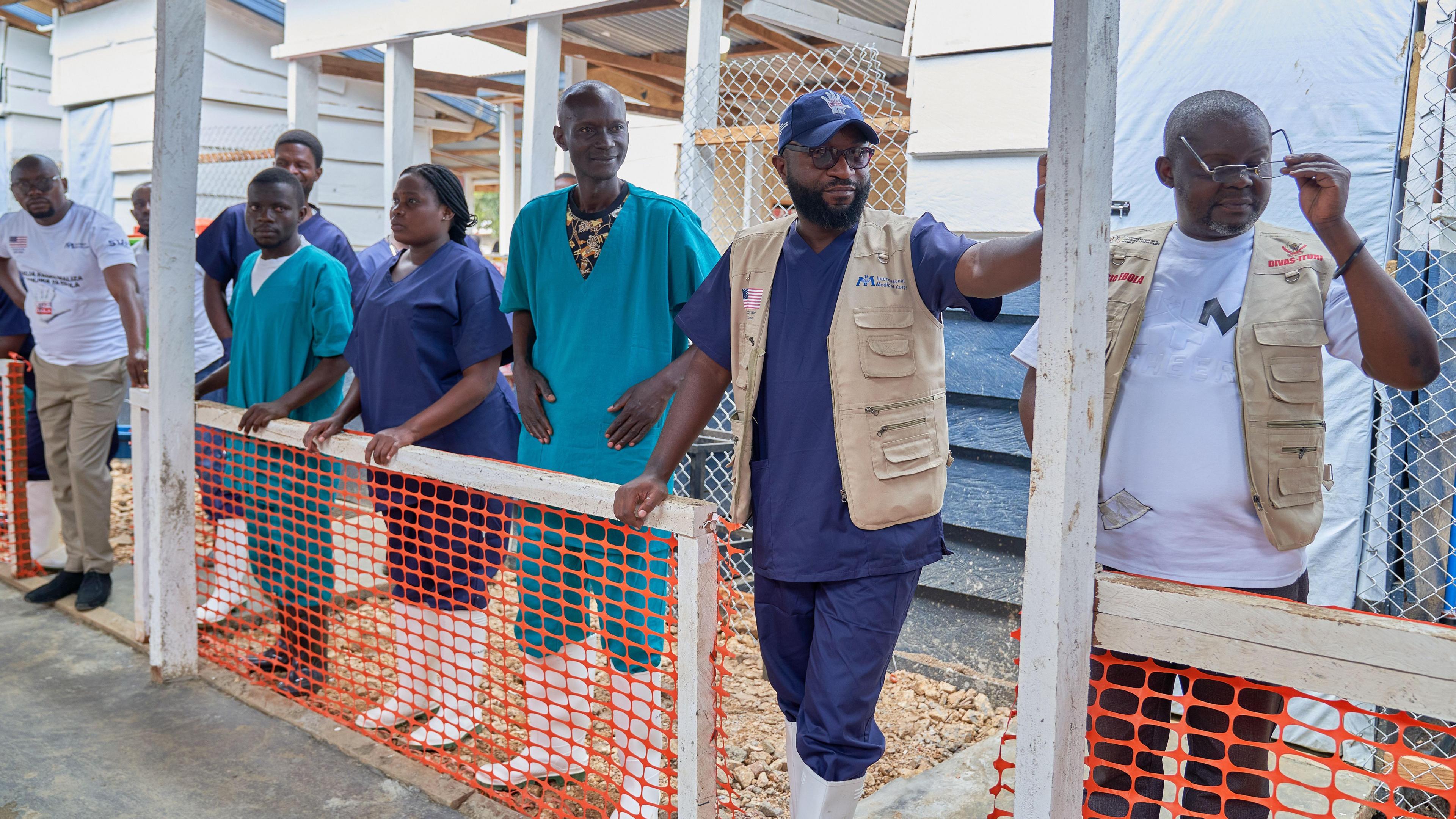
Across the border, Uganda – a country that recorded only 20 cases and two deaths – has already declared the epidemic over after the last patient was discharged two weeks ago. The strategy: immediate activation of a dedicated Ebola treatment centre at Mulago Hospital, rapid quarantine of 6,000 contacts, and rigorous border security.
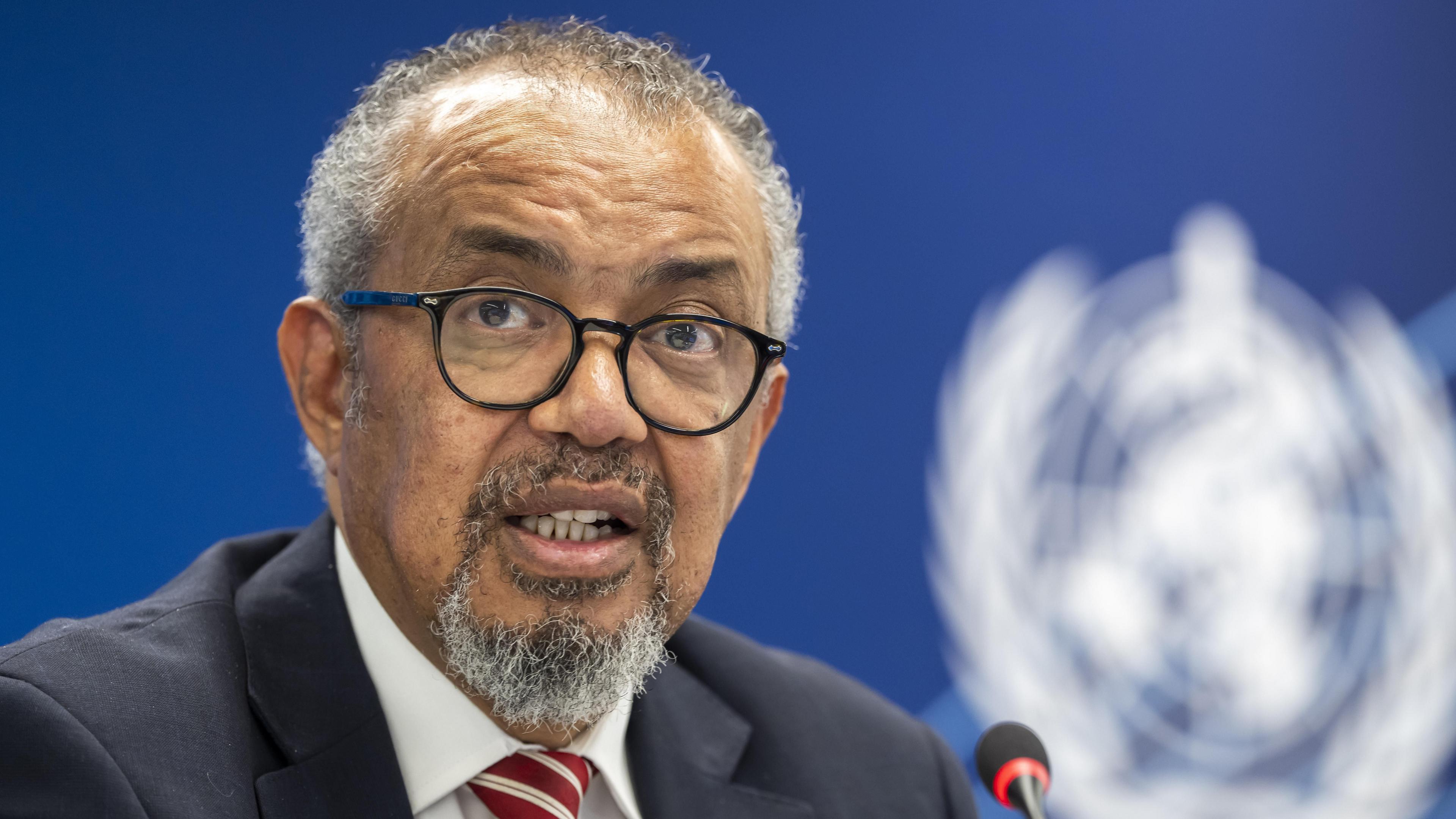
“We know Ebola. We know how to deal with it,” said Dr Kasonde Mwinga, WHO's Uganda chief, lauding the country’s “investment in preparedness” as the decisive factor.
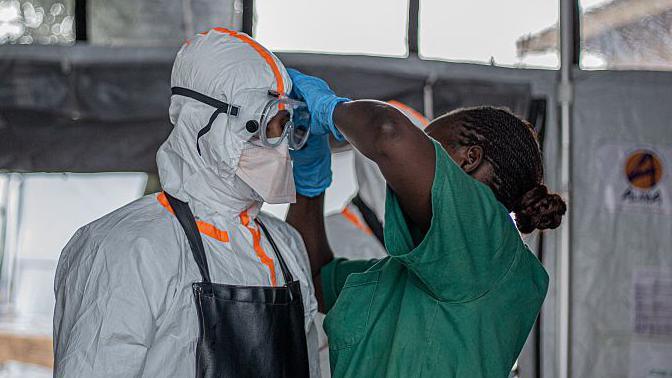
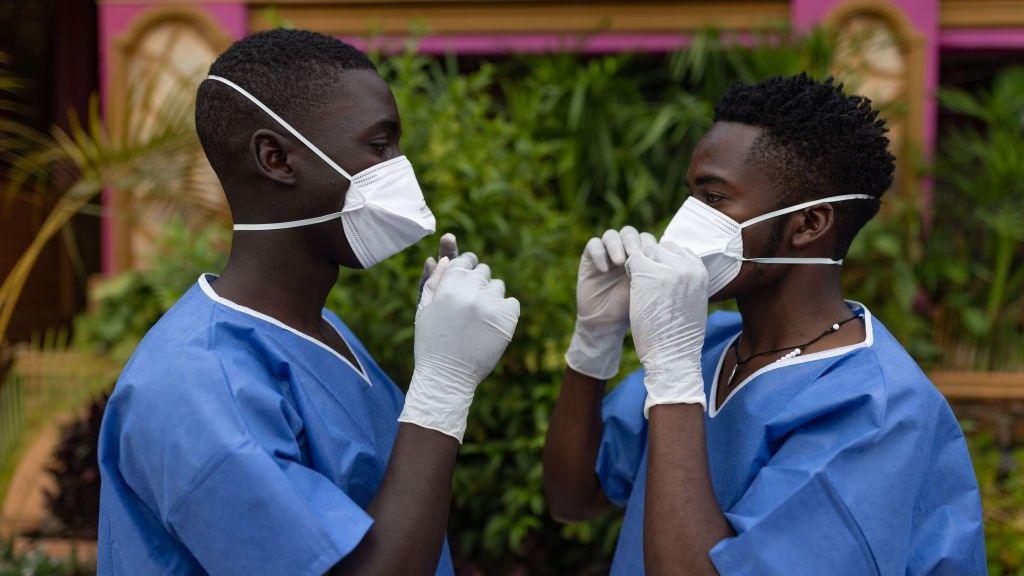
Uganda’s response was built on lessons from its 2006 and 2013 outbreaks, when rigorous isolation, personal protective equipment and community engagement cut transmission in half. Even the first case – a nurse on the Kampala intensive‑care unit – promptly isolated herself, avoiding further spread.
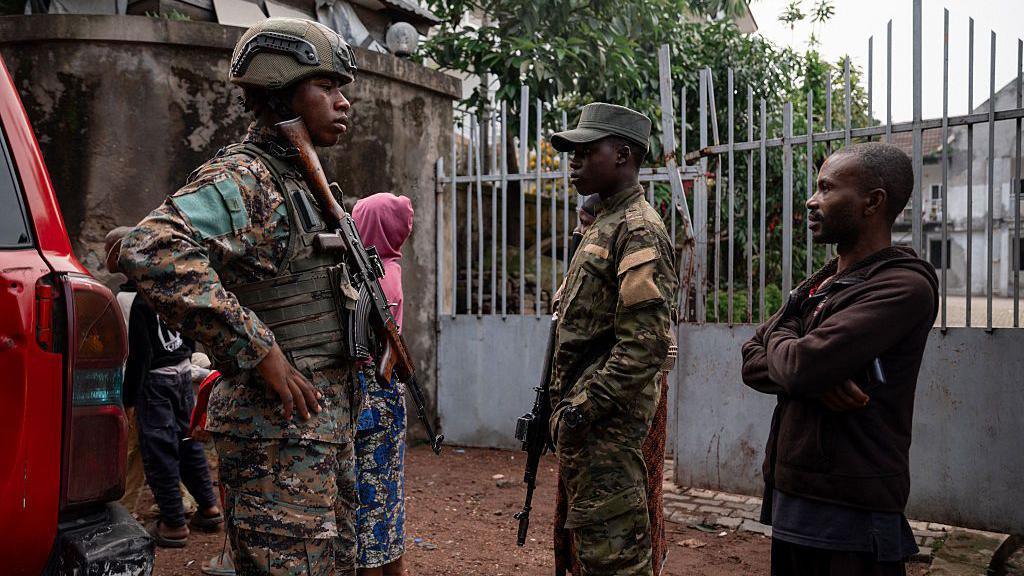
In contrast, DR Congo’s outbreak has been hampered by poor logistics, inexperience in contact‑tracing teams, and ongoing conflict in Ituri province, where armed groups have displaced millions, complicating containment.
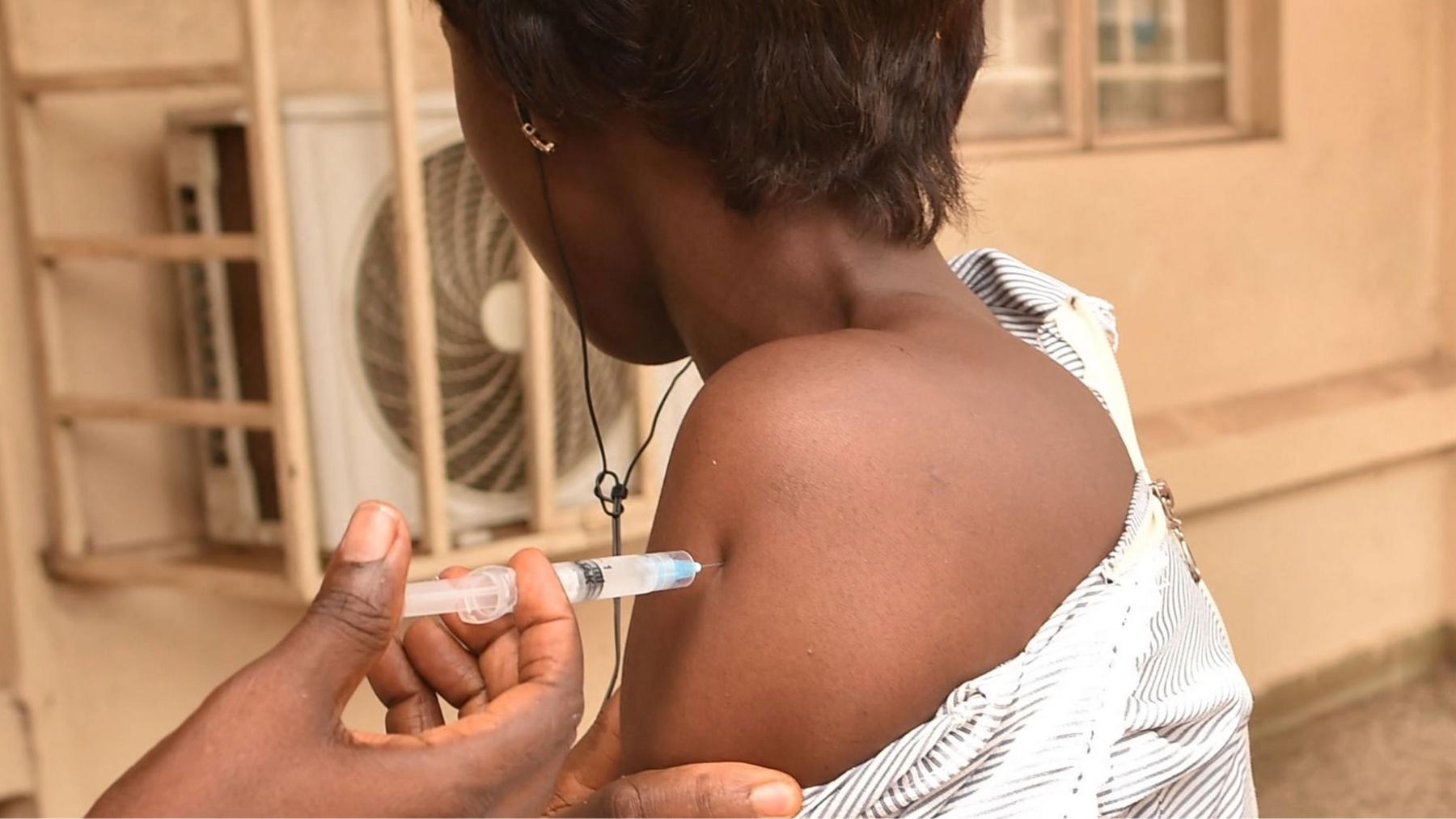
While Uganda fears a resurgence through a porous Ituri border, health ministers are deploying staff to DR Congo to help "brothers and sisters" fight the disease. The dual narrative underscores that regional cooperation and rapid vaccination infrastructure are critical in stopping Ebola in the Congo region.