DR Congo launches experimental Ebola vaccine trial as cases surge
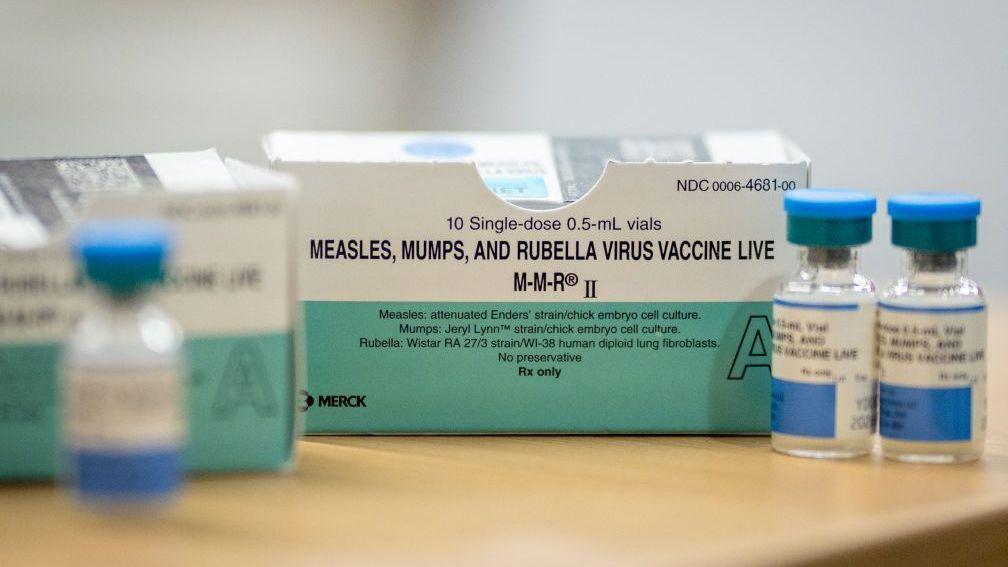
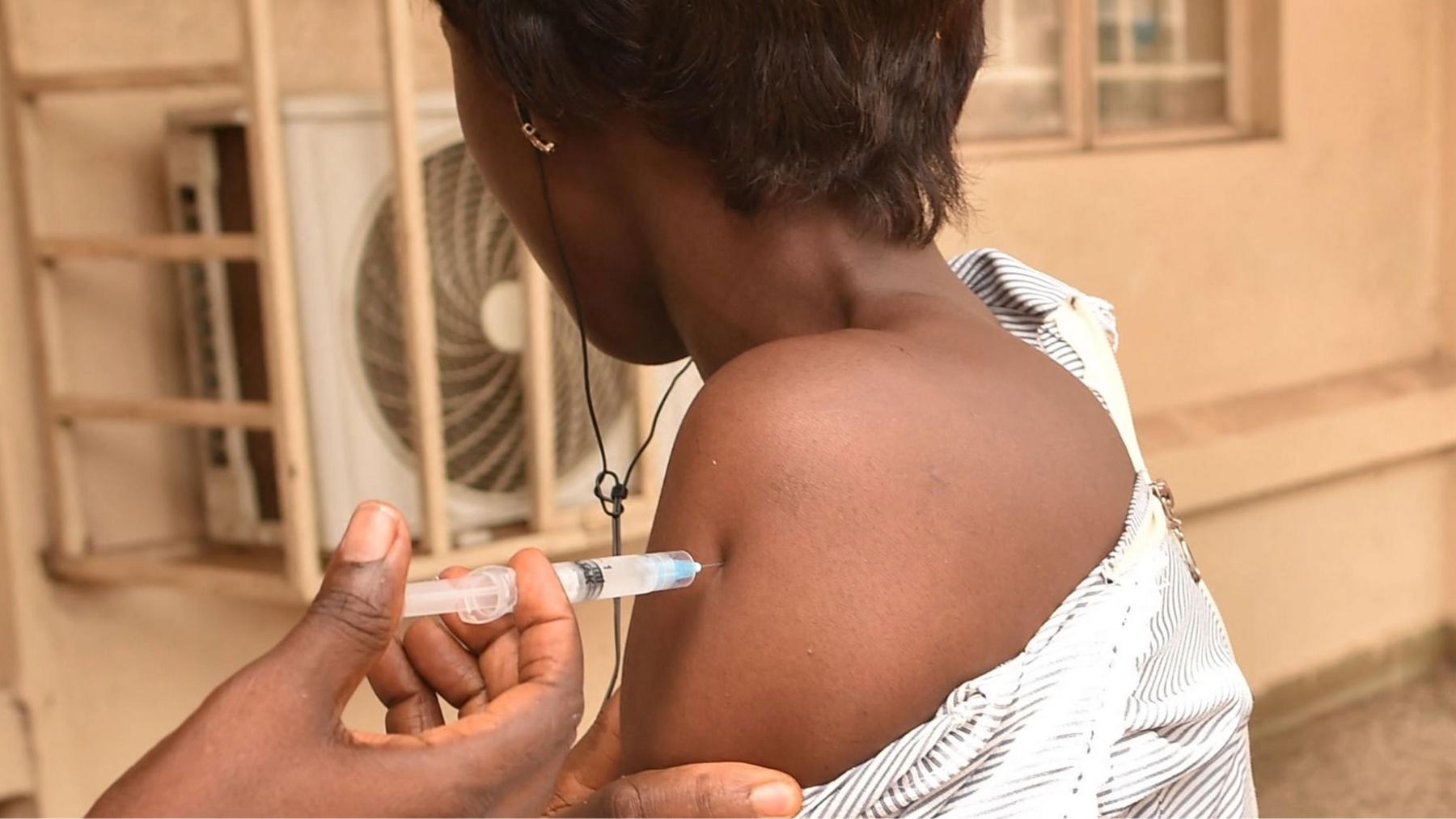
The Democratic Republic of Congo (DR Congo) has begun administering the licensed Ervebo vaccine, with an additional 20,000 doses earmarked for a clinical trial to test its effectiveness against the Bundibugyo virus that is now the dominant strain in the country.
Ervebo, which protects against the Zaïre species of Ebola, was introduced in the country last year after a narrow, large‑scale pregnancy test was conducted in 2019. Unlike the Zaïre strain, Bundibugyo has not yet had a proven vaccine or therapy, making the trial a critical step toward a tailored response.
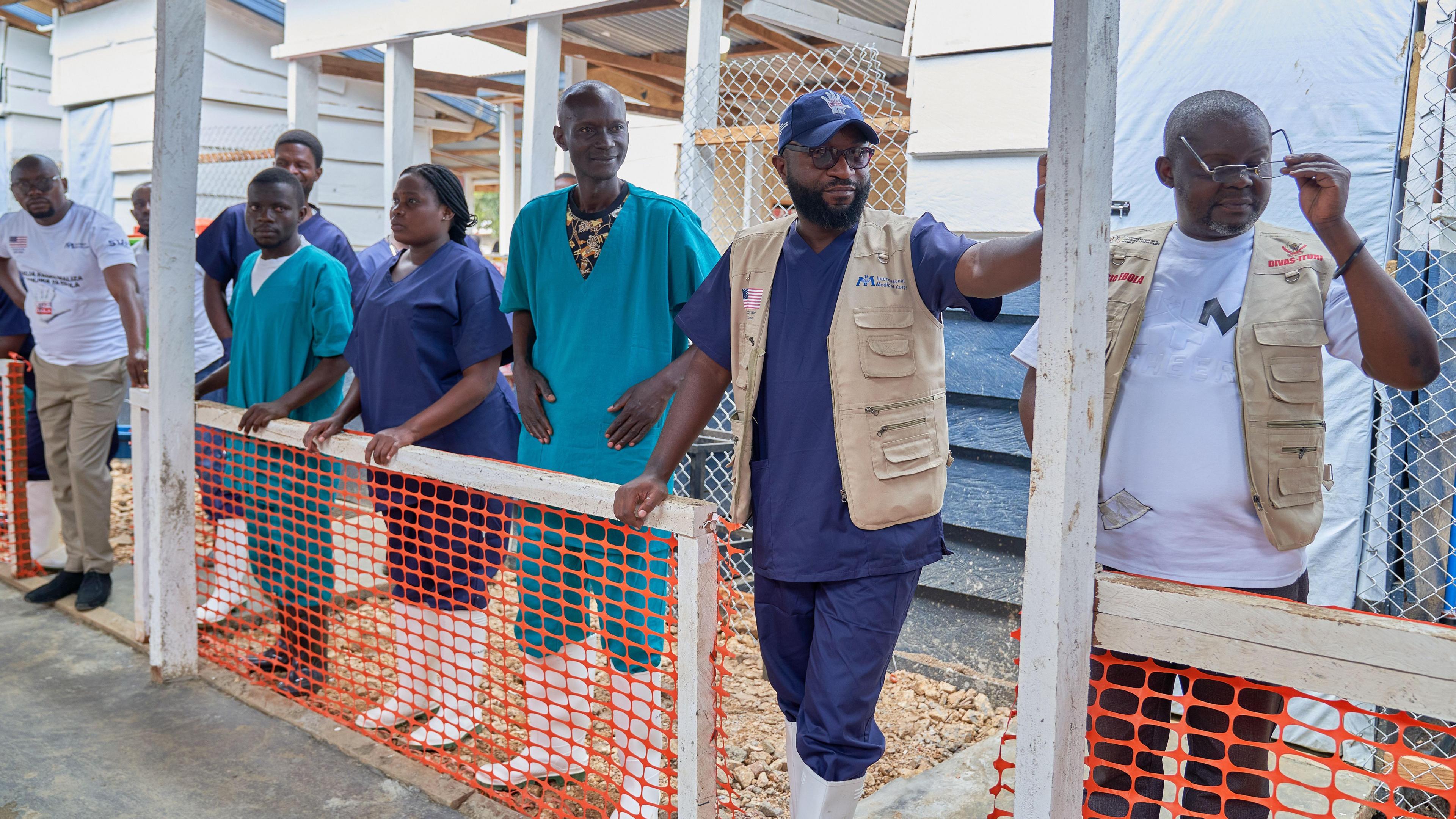
According to the World Health Organization (WHO), the outbreak has now expanded across a territory larger than France and the number of confirmed cases is growing exponentially. Nearly 2,500 people have died since the outbreak was declared three months ago, with the WHO’s Ebola coordinator Julien Harneis noting that half of all deaths occurred in the last 20 days.
What the trial involves
- 20,000 doses allocated to the clinical trial to evaluate vaccine efficacy against Bundibugyo.
- 50,000 doses reserved for frontline health workers to protect them from exposure.
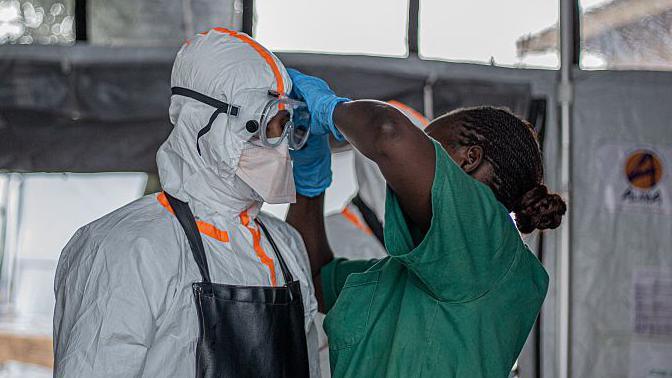
- Ongoing surveillance and rapid-response teams will monitor breakthrough infections and vaccine safety.
WHO and Africa Centres for Disease Control and Prevention welcomed the allocation, describing it as a vital reinforcement of the response, while confirming that no proven treatments exist for Bundibugyo.
The trial comes amid challenges: misdiagnosed cases as typhoid or malaria, lack of infrastructure in conflict‑torn eastern provinces, and local resistance to health authorities. The M23 rebel group, controlling parts of North Kivu, announced one‑month restrictions on shared taxis and passenger boats between government‑held and rebel‑held areas to curb further spread.
Ebola symptoms—including fever, headache, vomiting and diarrhea—start suddenly and, if untreated, can lead to organ failure. Infection is typically transmitted through contact with bodily fluids such as blood, urine or vomit.