The last patient admitted to Uganda's Ebola treatment centre has been discharged, bringing the country safely to the end of its ongoing outbreak. The ceremony, hosted by Health Minister Dr Chris Baryomunsi, was described as a “moment of joy” for officials and the public as Uganda now records no active confirmed cases.
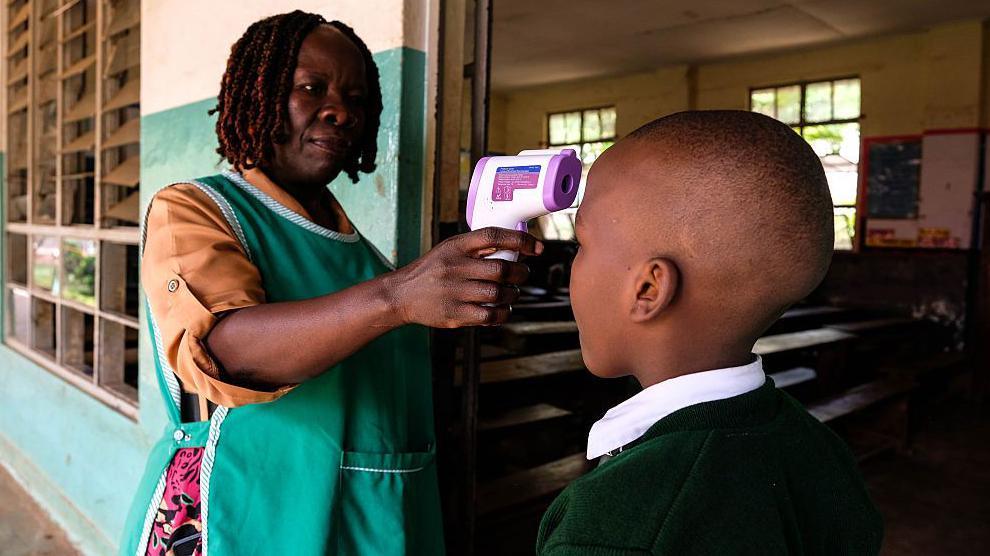
The outbreak began in May when a man who had travelled to the Democratic Republic of Congo for medical care tested positive for the Bundibugyo strain of Ebola. Since then, the country’s response—characterised by early detection, rapid treatment, isolation of suspected cases and rigorous contact tracing—has successfully curbed the spread to the solitary patient.
WHO chief Tedros Adhanom Ghebreyesus warned that the virus remains spreading at an alarming rate in the Congo, with 80% of new cases arising from previously unknown transmission chains. He stressed the urgency of the situation, noting that the outbreak is now the third‑largest on record and that the true number of infections could be four times higher than reported.
In the meantime, the United States has extended travel restrictions for citizens who have visited the Congo, requiring a 21‑day quarantine in a third country before reentry. The new policy, aimed at limiting the potential spread of the virus, may affect the deployment of medical staff in outbreak hotspots.
While the Ebola outbreak in Uganda may have ended, officials urge the public to stay alert. Health authorities recommend that individuals who develop fever, vomiting, diarrhoea or unexplained bleeding seek immediate medical attention. The 42‑day countdown to a formal declaration of Ebola‑free status begins today, provided no new infections emerge.
Uganda’s experience during this outbreak has illustrated the effectiveness of preparedness and swift action, yet the stark contrast with the ongoing crisis in the Congo—marked by over 2,000 confirmed cases and 796 deaths—highlights the need for sustained international support. The WHO is calling for $115 million, and has so far received only $45 million, to strengthen efforts to contain the epidemic in the region.
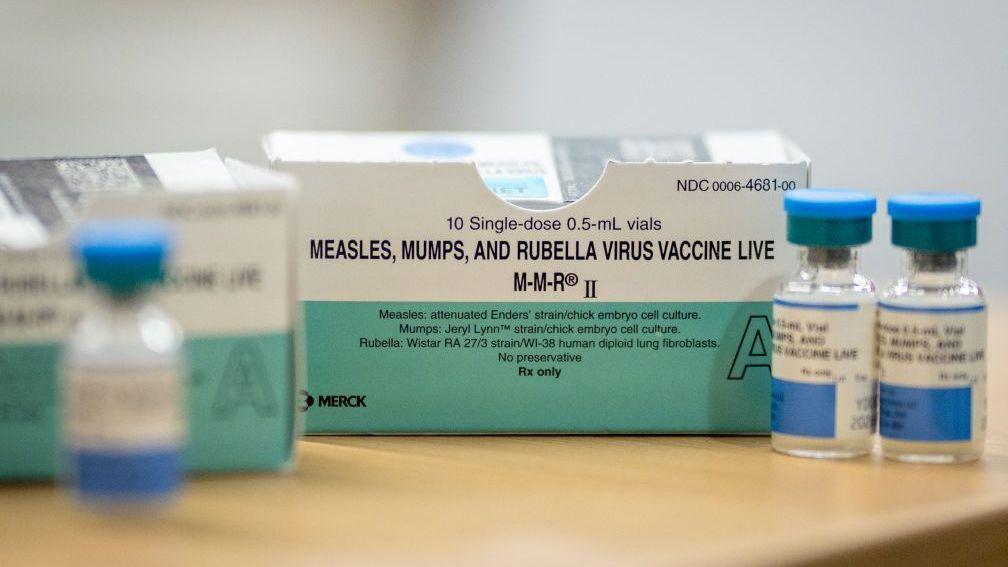
With no known vaccines or approved treatments for the Bundibugyo strain at present, health workers in the Congo continue to face challenges of limited beds, testing capacity and community mistrust in conflict‑affected areas. The situation underscores the broader global imperative to invest in disease surveillance, vaccine research and preparedness infrastructure.