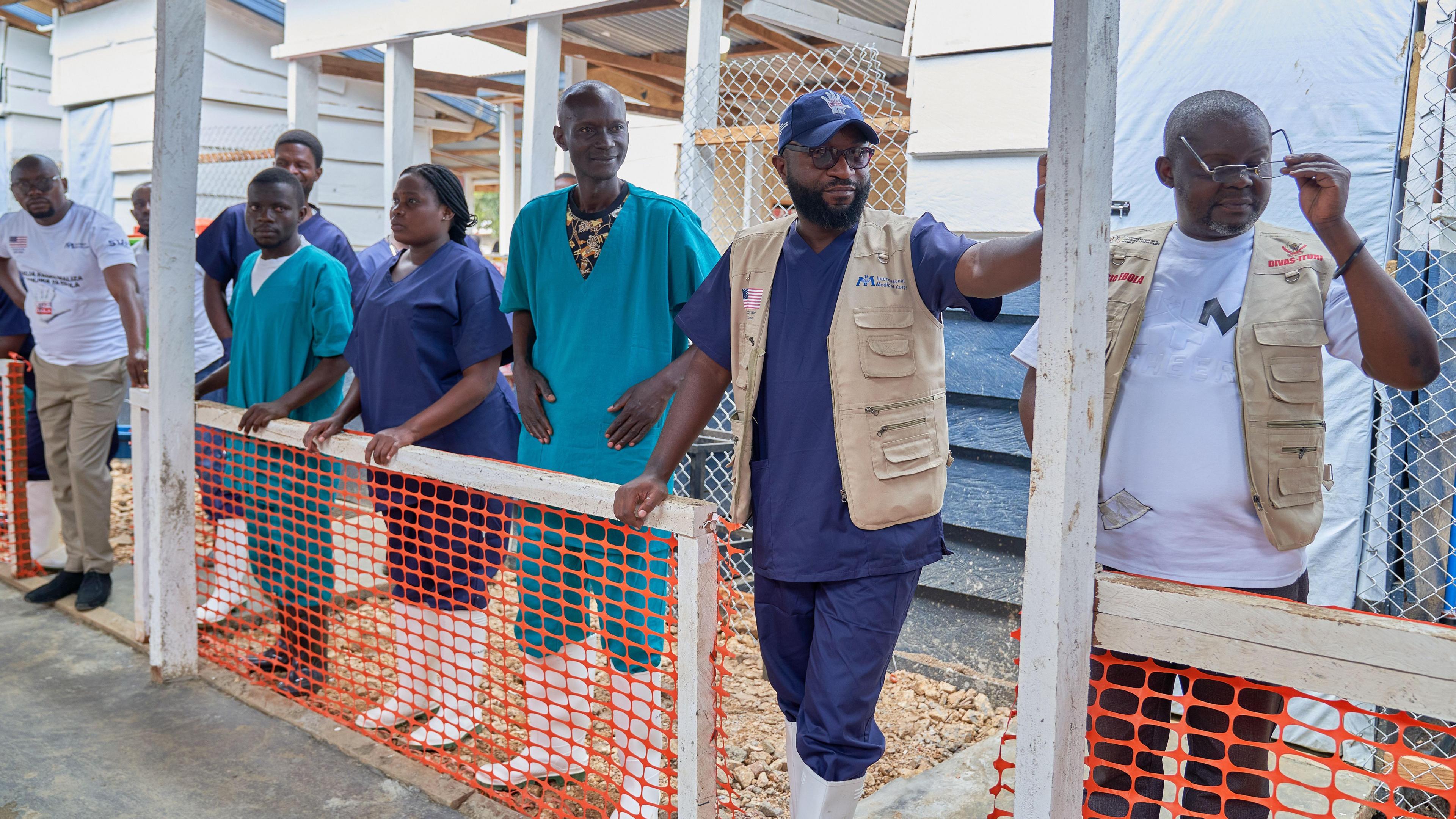
Health authorities in the Democratic Republic of Congo have announced the launch of a clinical trial to test the Ervebo vaccine, a tool that protects against the Zaïre species of Ebola, against the Bundibugyo strain that is now driving the country’s largest outbreak in decades.
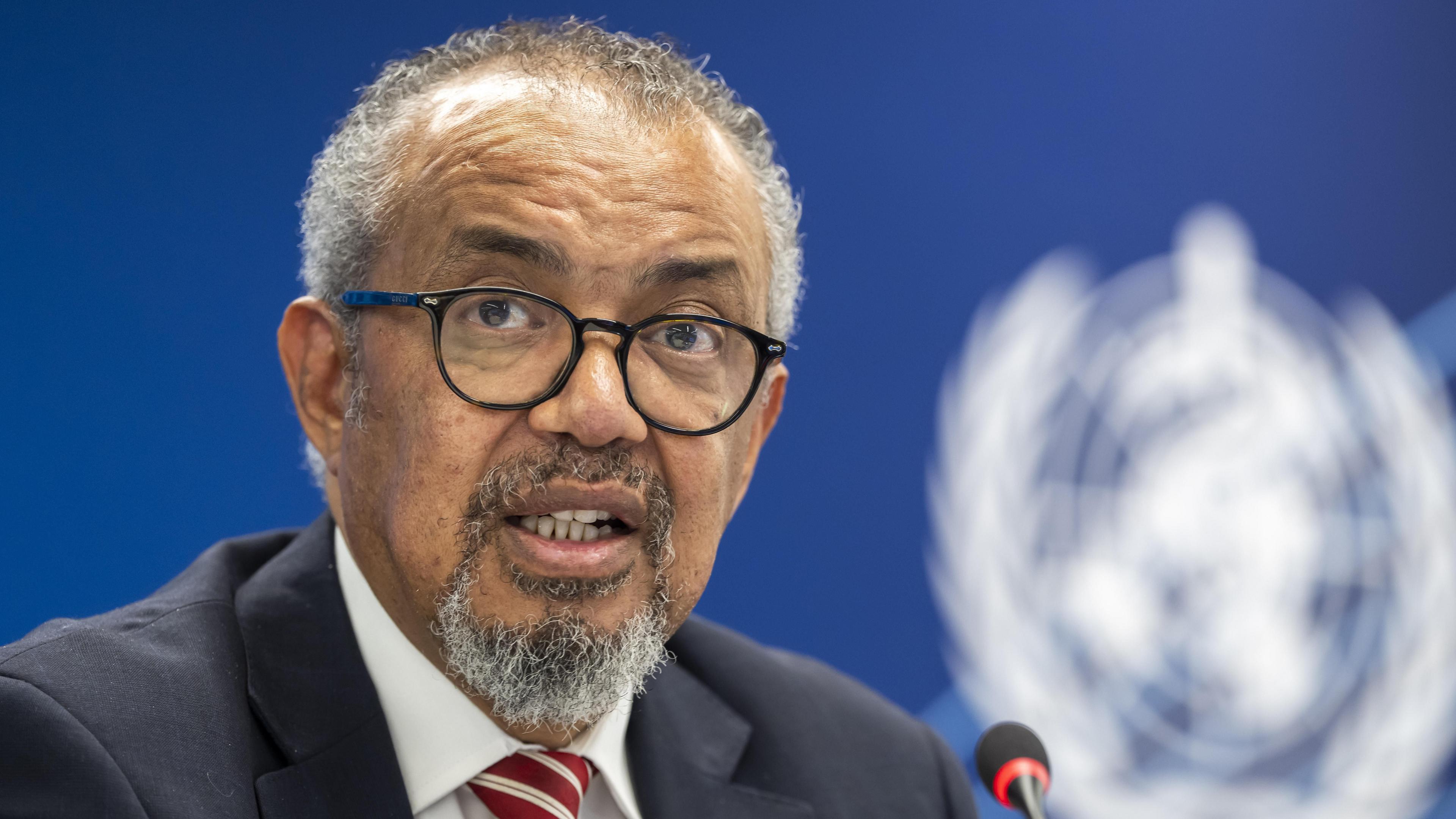
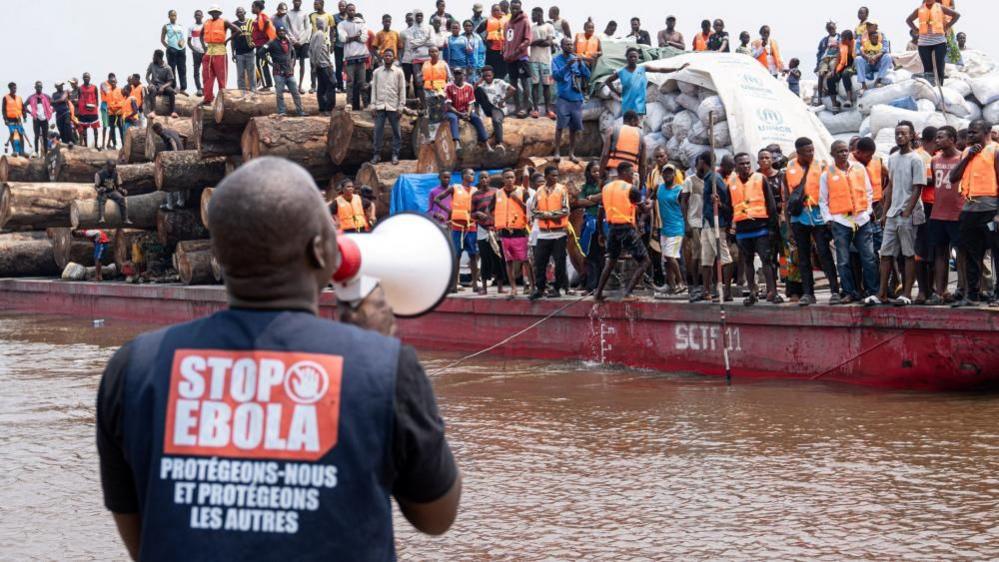
The World Health Organization (WHO) warns that the disease is causing an exponential surge of cases across the north and east of the country – an area now larger than France – and the death toll has already crossed 2,500, with half of those deaths occurring in the last 20 days.
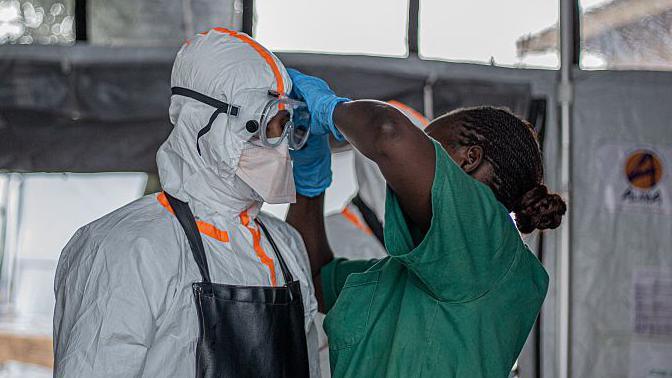
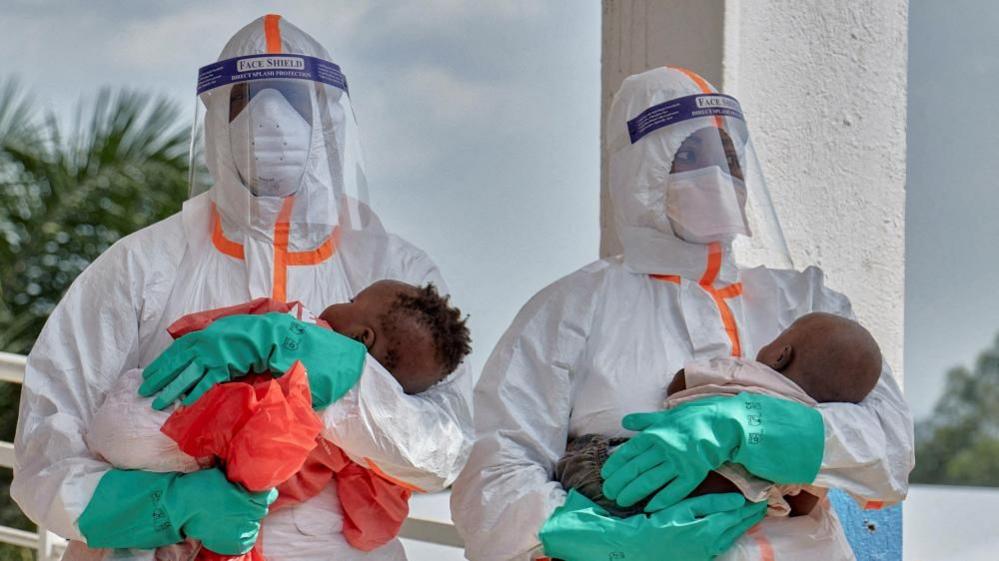
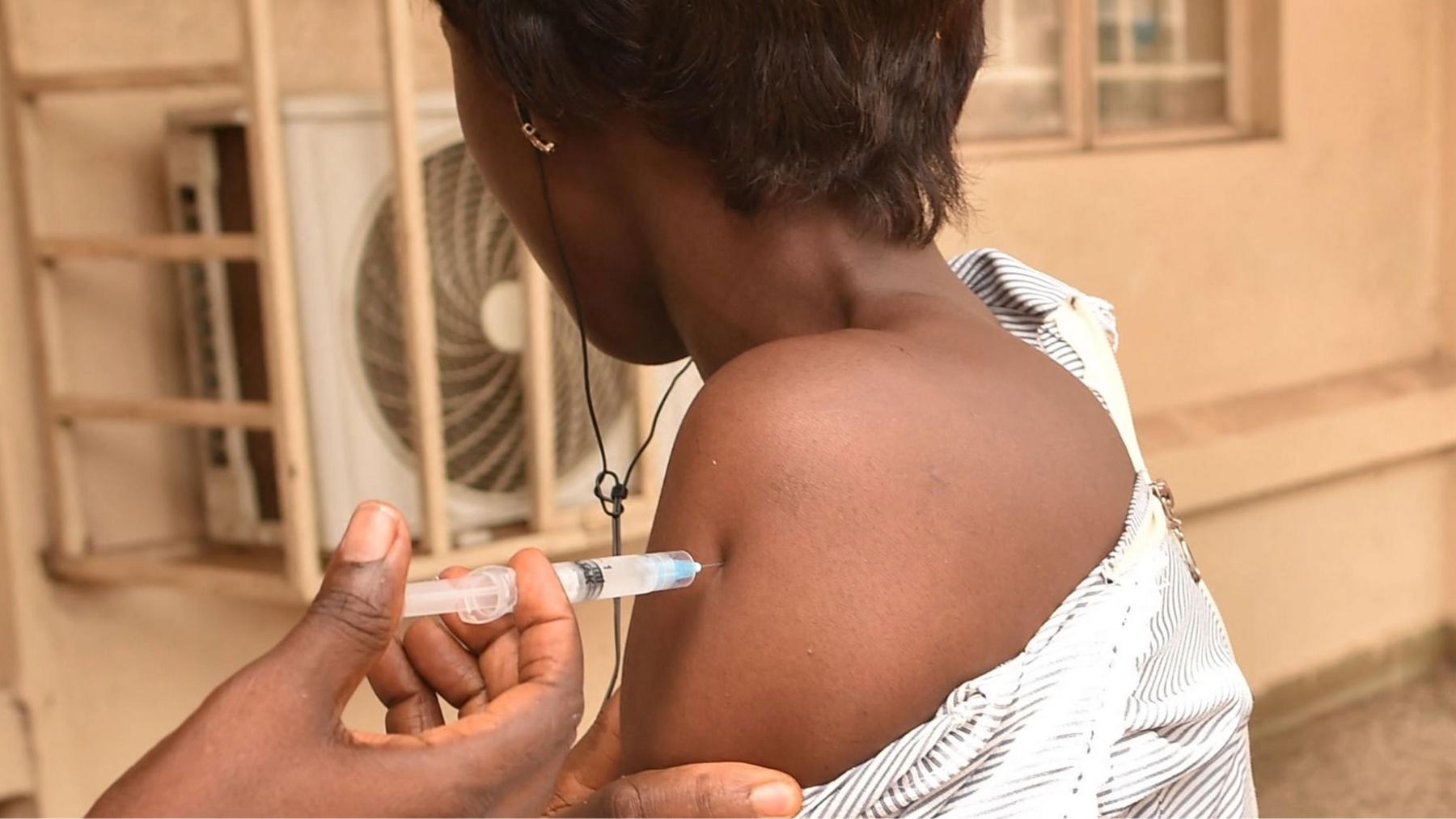
WHO will use 20,000 vaccine doses in the clinical trial to assess efficacy against Bundibugyo, while 50,000 doses will be deployed to protect frontline health workers who are at the highest risk of infection.
The outbreak has proven difficult to contain, partly due to early misdiagnosis as typhoid or malaria, ongoing conflict in the region, and suspicions toward health authorities that have hampered contact tracing and safe‑burial practices.
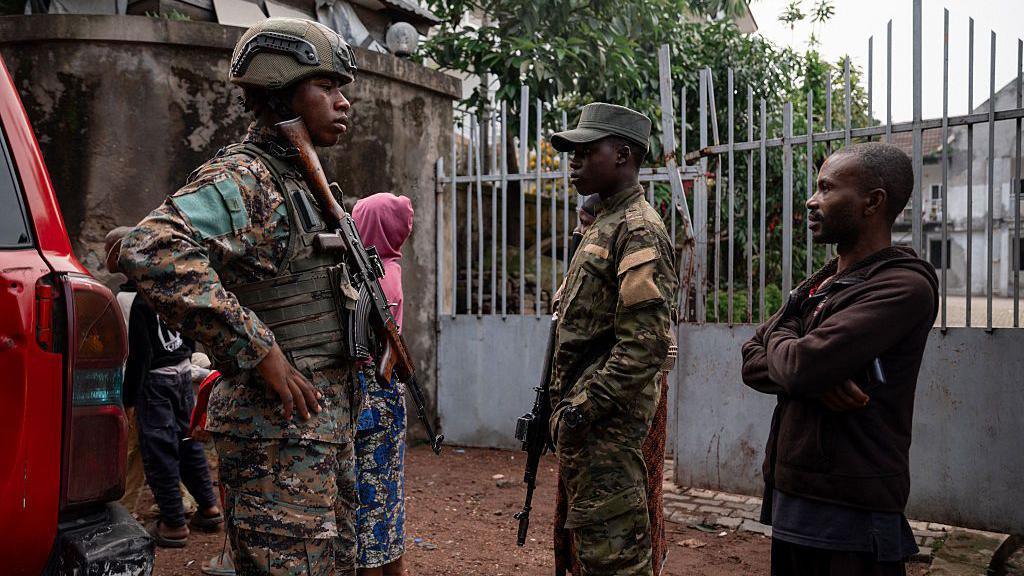
The M23 rebel group, which controls parts of eastern DR Congo, has imposed a month‑long restriction on shared taxis and passenger boats between government‑held and rebel‑held areas to limit spread, following the detection of two infected travelers in a village under its control.
This dual challenge—undifferentiated virus strains and war‑torn terrain—underscores why the DR Congo authorities insist the vaccine trial is a vital reinforcer of the current outbreak response and a test for future containment strategies.