In brief
The Democratic Republic of Congo faces its most devastating Ebola outbreak, with 3,605 confirmed cases and 1,587 deaths as of July 30. The Bundibugyo strain, hard‑to‑treat and lacking a licensed vaccine, has fueled rapid spread across Ituri, Kivu provinces and beyond, despite local security challenges. WHO has warned of sustained transmission and urged swift vaccine trials underway in the UK and Singapore, while international treatment centers in Germany and a case in France underscore the global threat. Security, population displacement, and cross‑border movement stall containment efforts, complicating response operations. The outbreak's intensity, reflected in a 567‑case week with 296 deaths, signals an urgent need for coordinated medical and humanitarian action.
WHO declares the current Ebola outbreak in the Democratic Republic of Congo (DR Congo) the largest ever recorded in the country.
From the first case on May 15, 2026, the Bundibugyo strain has ravaged the northeast Ituri province and spilled into North and South Kivu, crossing borders into Uganda and spilling a handful of cases into France and Germany.
As of 30 July, WHO tallied 3,605 confirmed infections and 1,587 deaths— a 44 % case‑fatality rate that eclipses the 2018‑2020 outbreak’s 3,500 cases and 2,300 deaths.
"The outbreak is intensifying with sustained transmission and continued increases in reported cases and deaths," WHO said in a statement on X, adding that “the exceptional pace of transmission underscores the need for immediate, coordinated response.”
A recent WHO bulletin noted that during the preceding week the DRC recorded its highest weekly total yet—567 new cases and 296 deaths—highlighting the virus’s relentless spread.
Complicating containment, insecurity, mass displacement, and cross‑border movements—especially in areas controlled by the Rwanda‑backed M23 militia—halt response efforts and raise the risk of further geographical spread.
The Bundibugyo strain currently lacks an approved vaccine or treatment. However, vaccine developers in the United Kingdom and Singapore are testing new jabs; the UK’s trial has begun, while Singapore is described as having the most promising candidate.
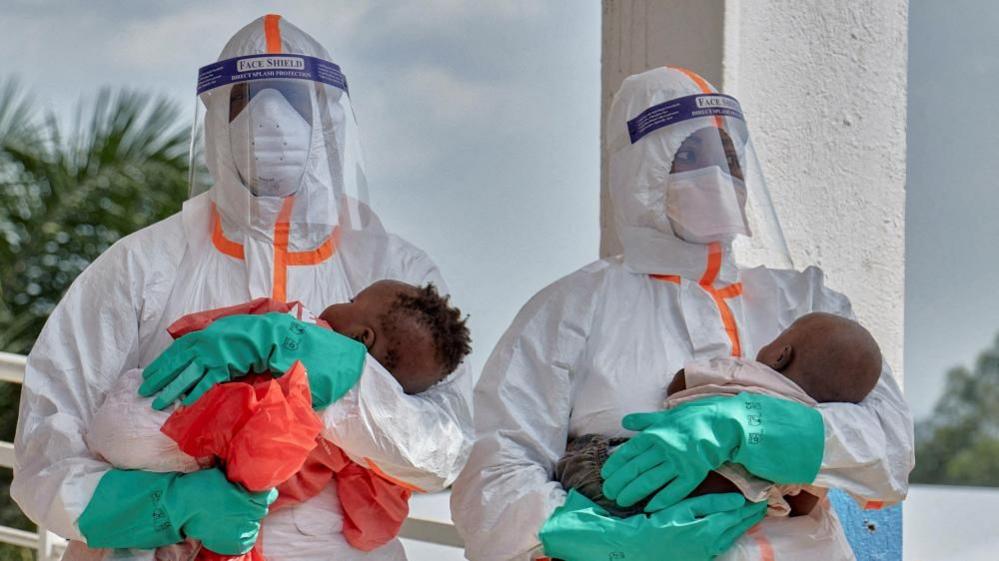
In addition to local burden, the outbreak has drawn international attention: two confirmed cases were treated in Germany, and a lone case in France, further illustrating how local crises can become global health threats.
With deaths anchoring almost half of reported cases, the DRC government, international agencies, and the WHO must intensify surveillance, reinforce health‑care infrastructure, and accelerate vaccine roll‑out to stem the tide.
Key Figures
- Confirmed cases: 3,605
- Deaths: 1,587 (44 % fatality rate)
- Daily peak: 567 cases in a single week
- Infected regions: Ituri, North Kivu, South Kivu, Uganda, France, Germany
Next Steps
- Rapid deployment of vaccine trials in the UK and Singapore.
- Strengthening health‑care capacity in conflict‑affected zones.
- Coordinated international surveillance to track cross‑border spread.
- Addressing insecurity to allow safe access for emergency teams.