In brief
Nigeria’s first confirmed Ebola case emerged when a 42‑year‑old diplomat’s wife, who had recently spent time in Uganda, fell ill upon her return to Abuja. Health officials identified 44 contacts and have isolated them, while the patient is improving under care. The case has highlighted challenges in cross‑border surveillance and the importance of regional collaboration, as Nigeria, Uganda, Ethiopia and the Africa CDC work together to trace her movements and prevent spread. With the outbreak in Democratic Republic of Congo continuing, the incident underscores the need for vigilance and solidarity rather than travel bans. Nigeria’s past success in containing Ebola gives confidence that the country can manage the current threat, but it also stresses the ongoing requirement for robust testing and rapid response.
A 42‑year‑old woman, wife of a Nigerian diplomat, returned to Abuja after a two‑and‑a‑half‑week holiday in Kampala and began exhibiting symptoms three days later. She was declared the country’s first confirmed Ebola patient amid a regional outbreak that has already claimed more than 9,500 cases and 4,600 deaths in the Democratic Republic of Congo.
Health Minister Muhammad Ali Pate confirmed the patient’s travel itinerary: a stop in Addis Ababa on her return. Authorities immediately opened a containment perimeter, identifying 44 individuals who had contact with her during the 12‑hour window following her return. All contacts are now isolated, and none have shown symptoms.
Dr. Jean Kaseya from the Africa Centres for Disease Control and Prevention explained that the patient first sought treatment at a private hospital for suspected malaria before her condition failed to improve. She was admitted to a second hospital on 11 October and tested positive on 12 October after three laboratory confirmations.
The incubation period for Ebola ranges from two to 21 days, meaning the patient’s exposure could have occurred anywhere along her journey, from Uganda, Ethiopia or Abuja. Despite differing statements from Uganda’s ministry of health—asserting the woman had only transited through Uganda—the Nigerian officials emphasize cross‑border cooperation, with ongoing discussions involving Uganda, Ethiopia and the Africa CDC.
Pate urged African leaders to share detailed travel logs and encouraged Western governments to avoid imposing travel bans, citing the benefits of collaboration and solidarity in curbing an outbreak that has already spread to Kenya. He reminded readers that Nigeria’s prior success in containing a 2014 Ebola outbreak—and the nation’s strengthened surveillance infrastructure—position it to manage the current threat effectively.
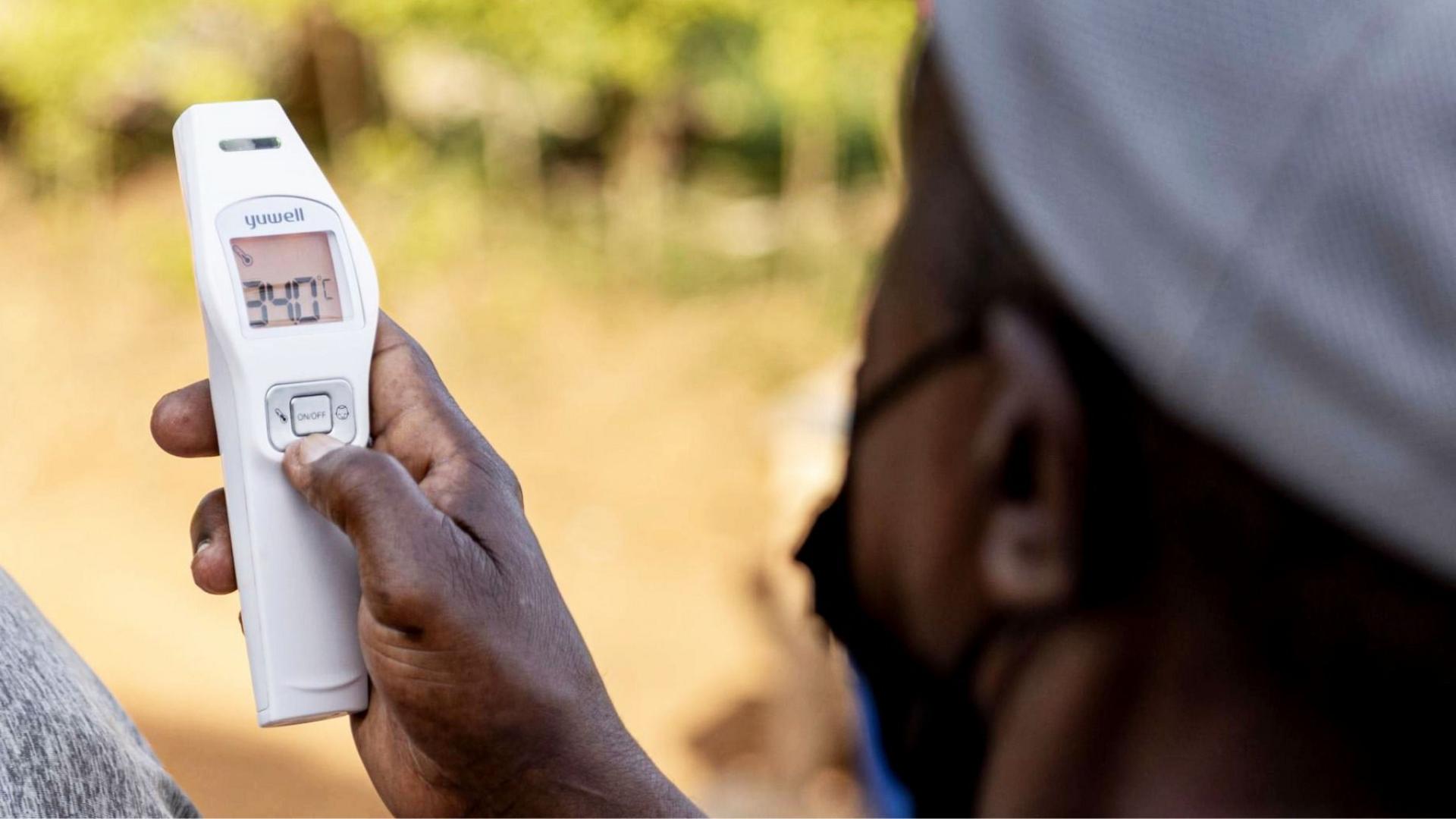
While the patient remains stable, the health ministry continues to monitor all contacts. No new hospitalised cases have arisen and the fever‑checking protocols at major points of entry remain in place as Nigeria seeks to prevent further transmission.