In brief
Japan’s 2026 Asian Games, held in Nagoya, fell short of the country’s reputation for flawless event hosting. Organisers confronted a series of logistical missteps—from haphazard athlete housing to misplaced national anthems—that rattled delegations and netizens alike. The choice of GL Events as a venue operator, selected for its low cost, has already drawn criticism for cutting corners on staffing and training. While the Games produced remarkable sporting moments, the organisational chaos raises questions about Japan’s future bid credibility.
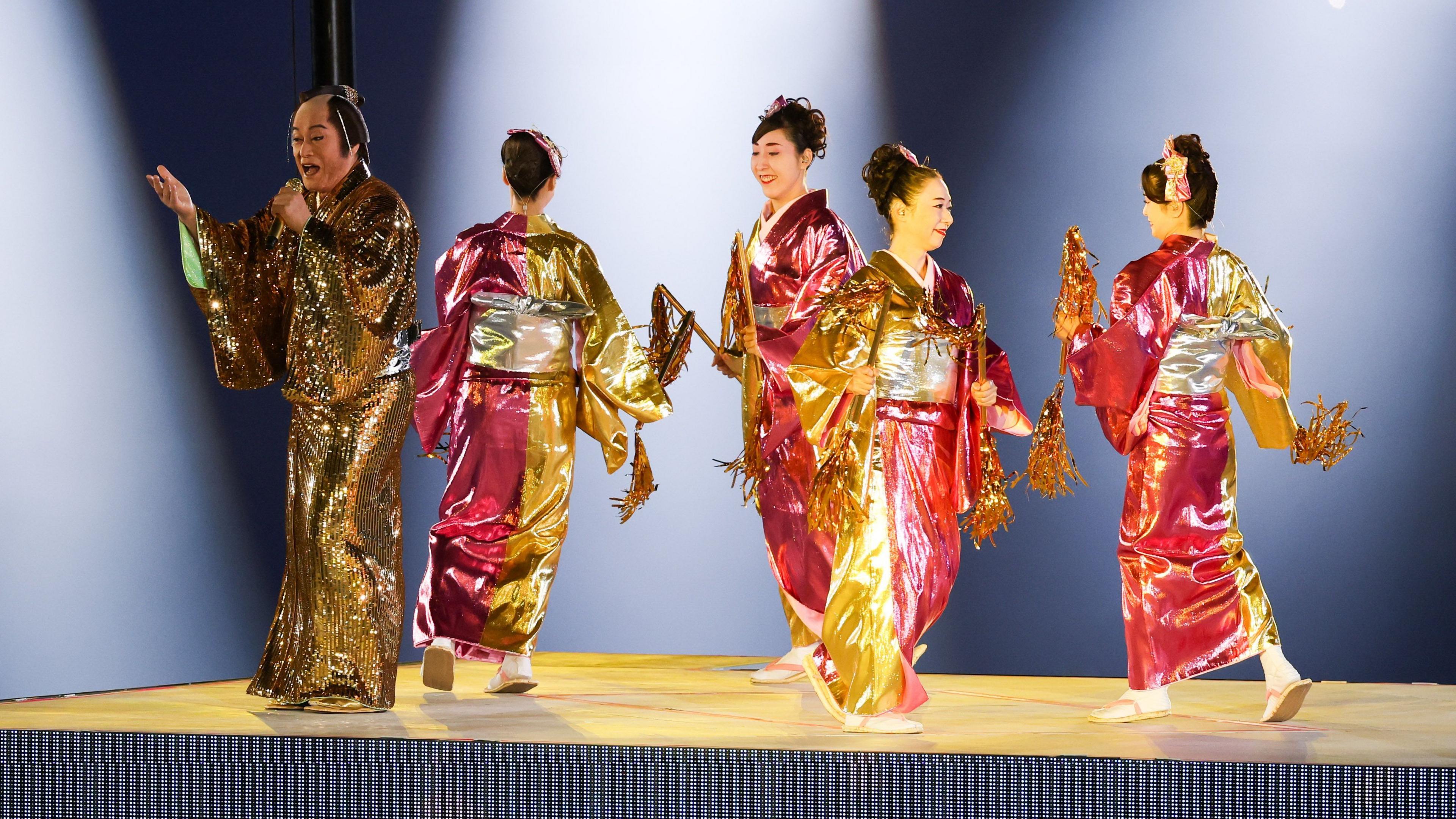
A nation famed for hosting seamless sporting spectacles found itself scrambling for last‑minute solutions as the 2026 Asian Games unfolded in Nagoya. When the opening ceremony’s glittering display finished, the reality of cramped athlete housing, errant travel arrangements and diplomatic gaffes began to surface, sending pundits and fans into a frenzy.
Organisers had cut the tradition of a dedicated athletes’ village to stay within budget, shelving their plans in favour of hotels and factory‑style containers. When the roster swelled by 2,000 participants, the city ran out of space, forcing officials to charter a cruise ship and later “back‑pedal” on earlier promises that all would be accommodated. Delegations from Korea, Taiwan and others reported cramped quarters, beds that did not fit towering basketball players, and confusion over transport logistics.
Diplomatic mishaps proved equally costly. The wrong national anthem was played for South Korea’s men’s hockey squad, the Chinese flag was mis‑raised at a football gold‑medal ceremony, and Taiwan’s sports minister was briefly blocked from a flag‑raising event. Such blunders prompted a formal apology to South Korea and a sharp critique of the Games’ organisational oversight.
Operating at a Cost‑cutting Pace
All eyes turned to the Japanese subsidiary of France’s GL Events, which secured the 63 bn yen contract for venue operations after winning over a seasoned Japanese advertising group that had faced a corruption scandal. Local media accused GL Events of heavy cost‑cutting, citing a shortage of trained staff and an apprenticeship model that left volunteers unprepared for on‑the‑ground crises. The organisers claimed the company had Olympic experience, but Professor Kozo Tomiyama argued the contractor’s broad mandate left inadequate oversight, suggesting a need for clearer contractor evaluation and post‑award supervision.
While the Games produced 54 world records and drew applause from the Olympic Council of Asia for athletic achievement, the persistent operational glitches—such as wrong anthems in the Para Games and enduring transportation issues—demonstrate that Japan’s “omotenashi” hospitality was not fully delivered. Organisers’ rapid‑fire responses and Omi’s calls for a thorough investigation will need to be followed by concrete reforms if the country is to maintain credibility for future hosting bids.
Overall, the 2026 Asian Games turned out to be a cautionary tale: a spectacular show marred by logistics that undercut the spirit of a once‑flawless host nation. The next chapters of Japan’s sports‑event legacy will hinge on whether the lessons from Nagoya translate into real changes on the ground.
Source: BBC News