El Niño has been strengthening for several months now, and it’s already reshaping weather patterns across the planet.
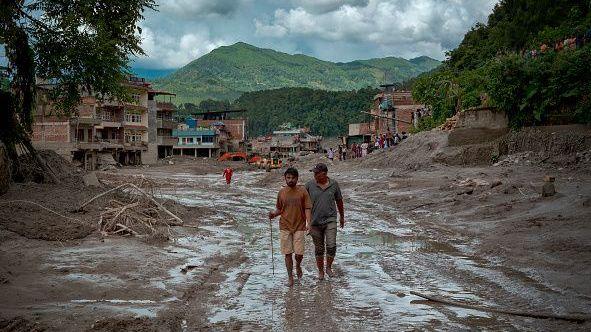
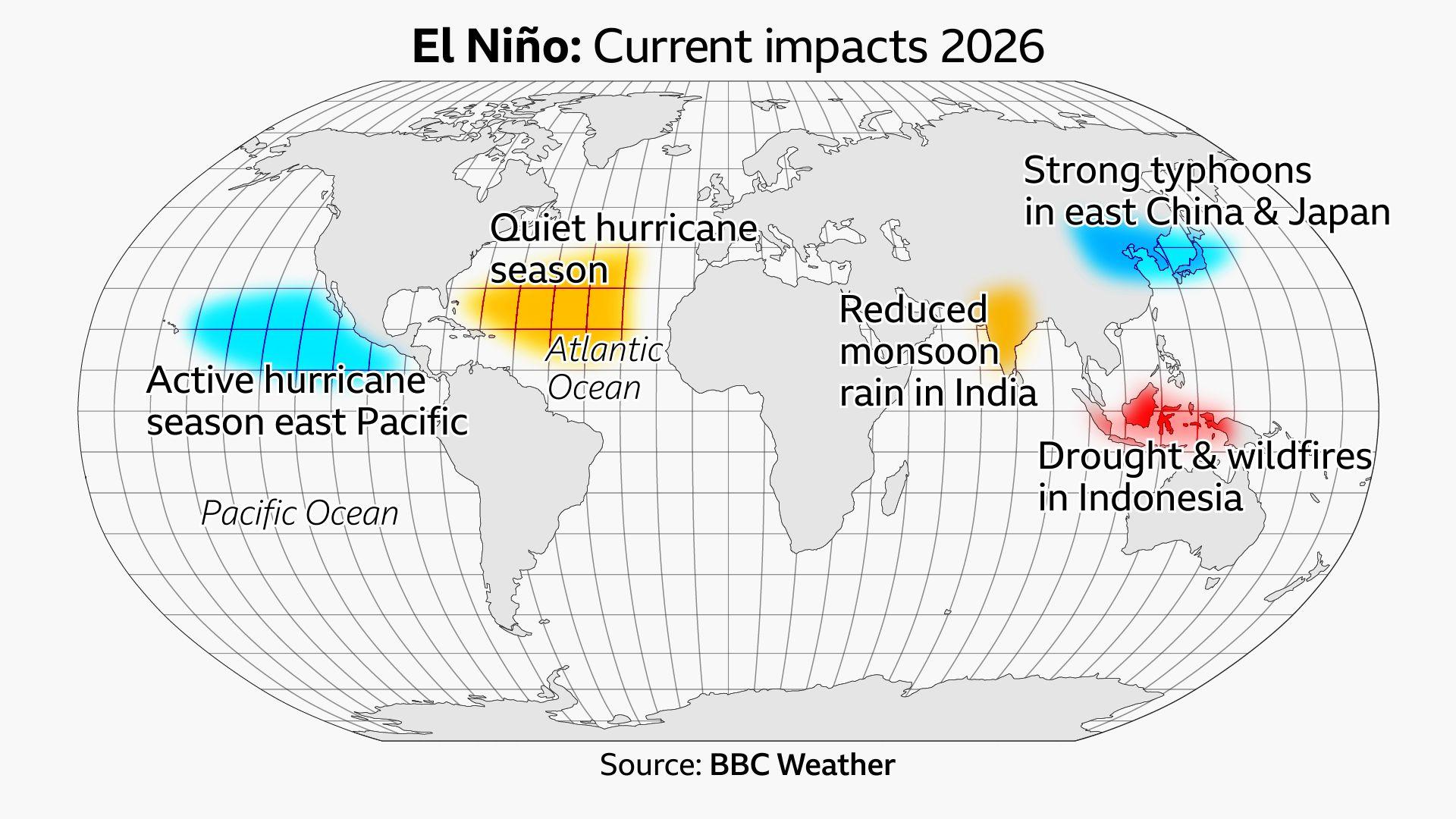
Countries such as Indonesia, India and the United States are seeing droughts, floods and heatwaves that match scientists’ projections of how extreme events will be amplified by El Niño.
The World Meteorological Organization warns that the record‑breaking El Niño will further strengthen and persist until at least 2027.
Indonesia battles worst wildfire season since 2015
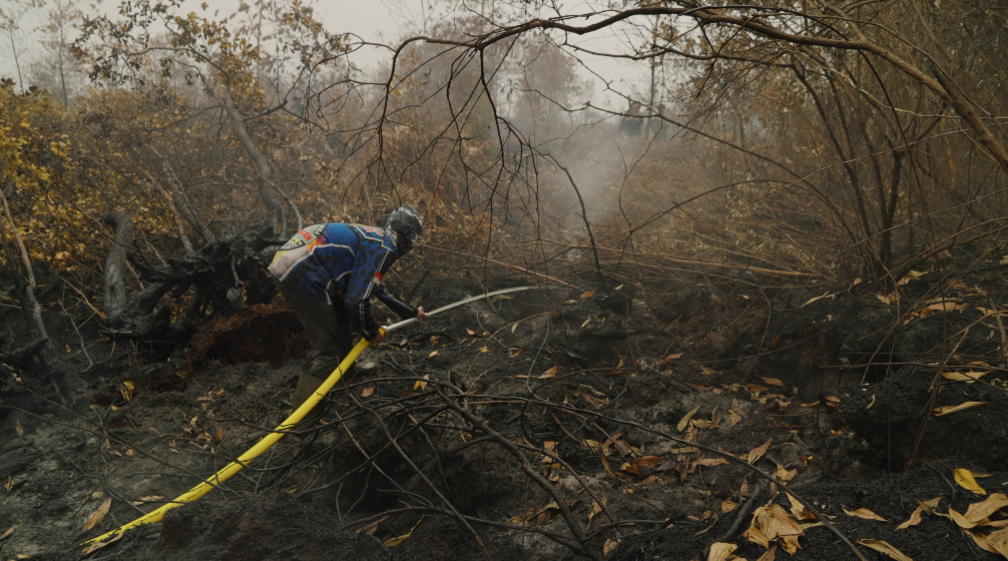
Indonesia, which typically dries out during El Niño years, is battling its worst wildfire season in over a decade. Since January, some 895 657 hectares – nearly six times the area of Greater London – have burned, more than twice the surface destroyed the previous year.
The fires have forced school closures, increased hospital visits and exposed around 175 000 people to toxic haze, including more than 40 000 young patients with respiratory illnesses.
East Pacific explodes with hurricane activity
In the eastern Pacific, El Niño has created a “very active” season so far. The basin has already seen 22 named storms, 12 hurricanes and 10 major hurricanes – more than an average year would produce by now.
The unusually warm ocean waters and weaker upper‑level winds have allowed storms such as Hurricane Polo to rapidly intensify to 180 mph gusts, and for three hurricanes to coexist in the same basin at once – the first time this has happened since 2015.
Atlantic hurricane season remains eerily quiet
El Niño’s influence on the Atlantic has been opposite, boosting wind shear that tears apart forming storms. So far only one hurricane – Isaias – has made landfall, typically the latest‑forming Atlantic hurricane in history.
By this point, an average season would usually have 10 named storms, five hurricanes and two major hurricanes – yet only eight tropical storms have formed.
Reduced monsoon rain threatens agriculture in India
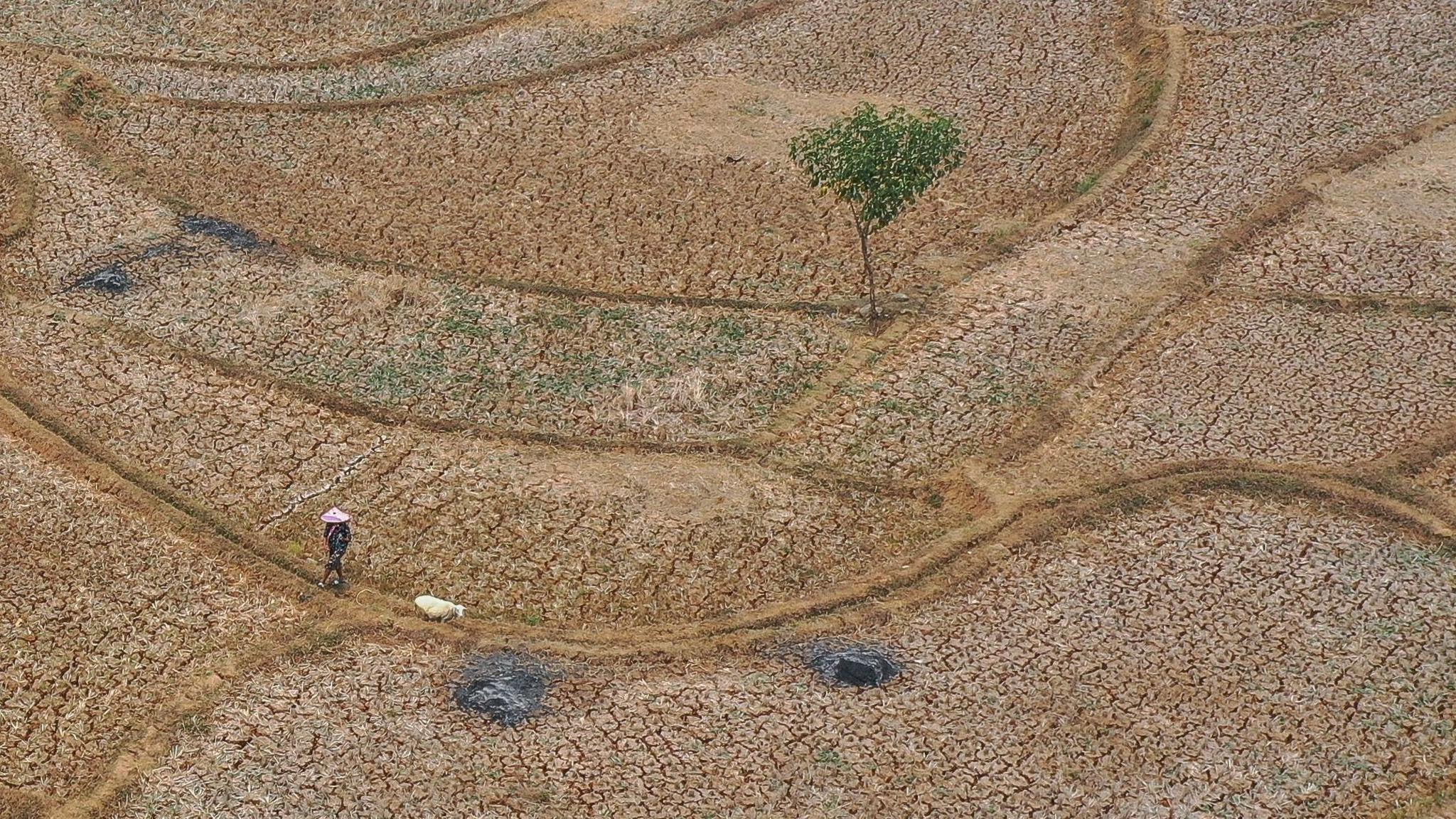
India’s monsoon has been 13 % below average, with the eastern, north‑eastern and southern regions experiencing 26 % to 24 % drier rainfall compared to normal. The uneven rainfall pattern, alternating between long dry spells and heavy downpours, stresses crops and water supplies.
While meteorologists attribute the anomaly to several weather patterns, many suspect El Niño’s fingerprints are significant.
Strong typhoons target east China and Japan
The western Pacific has seen record‑numbered typhoons, with 10 tropical cyclones forming – the highest since 1966. El Niño’s warmer waters and altered wind patterns push storms further east, giving them more time to intensify before reaching land the Japan and east China coastlines.
Scientists warn that the region may face further typhoon threats as the season continues.