Orange Haze Drenches Indonesian Towns as Wildfires Blight the Sky
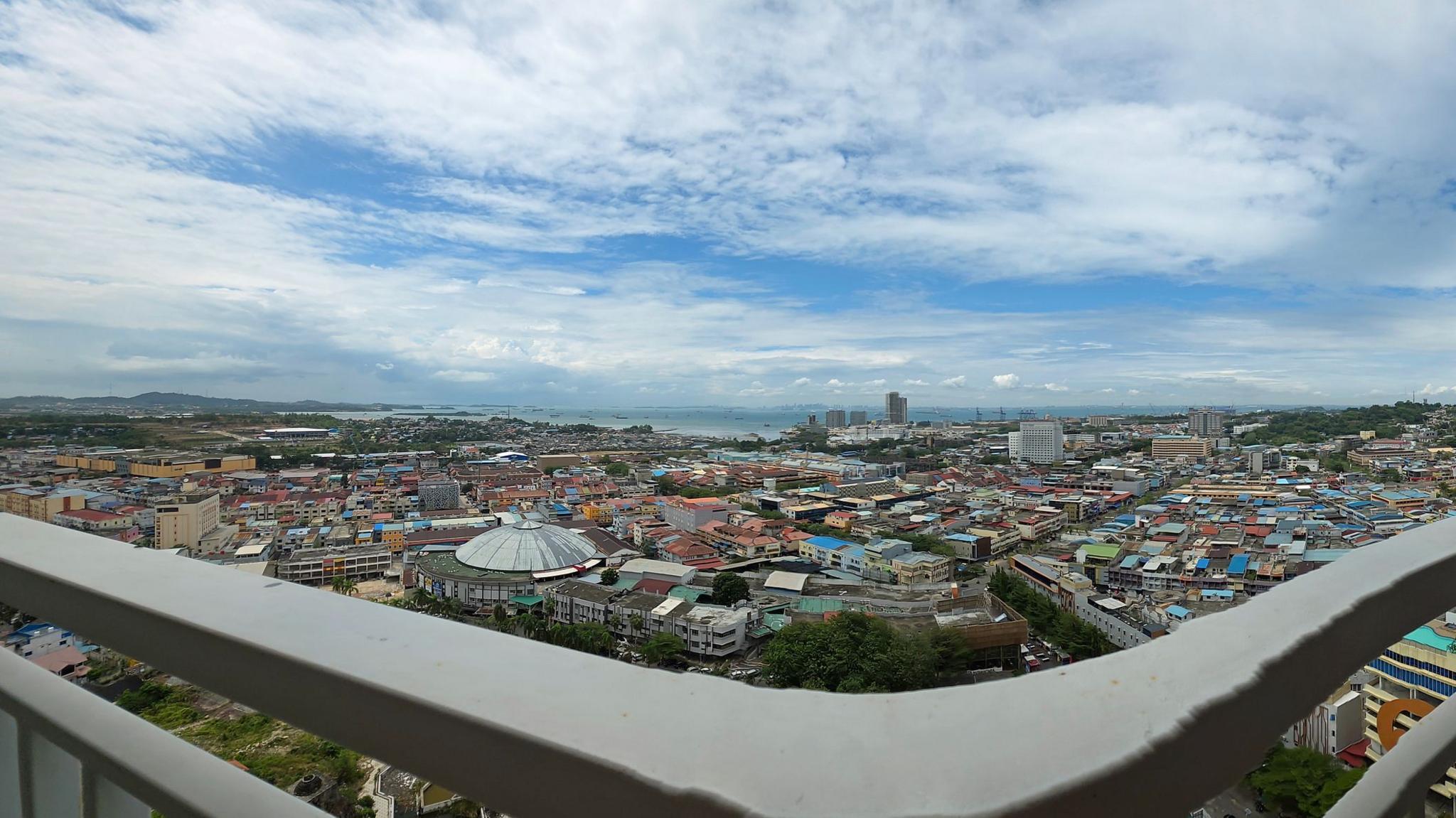
A round, orange‑tinted smog now blankets Palangka Raya, the capital of Central Kalimantan. Broadcasting from personal devices, Indonesian citizens upload videos that capture how the haze swathes entire town streets, turning familiar cityscapes into a surreal, opaque bubble.
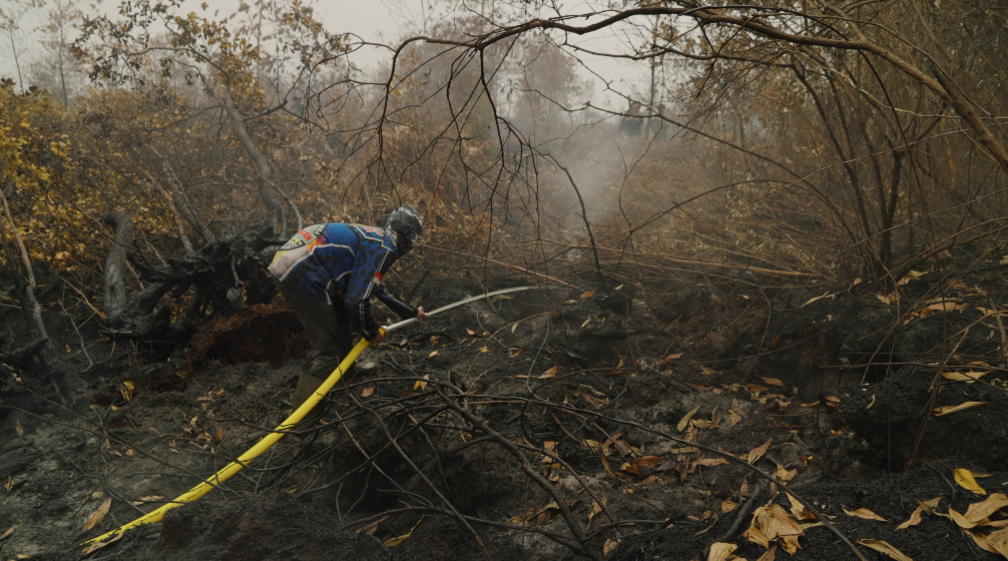
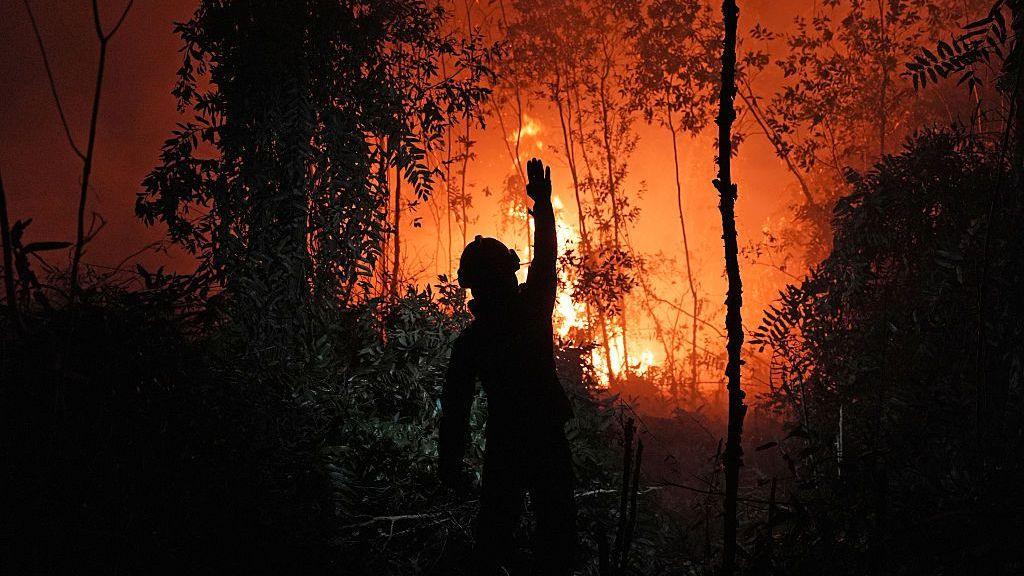
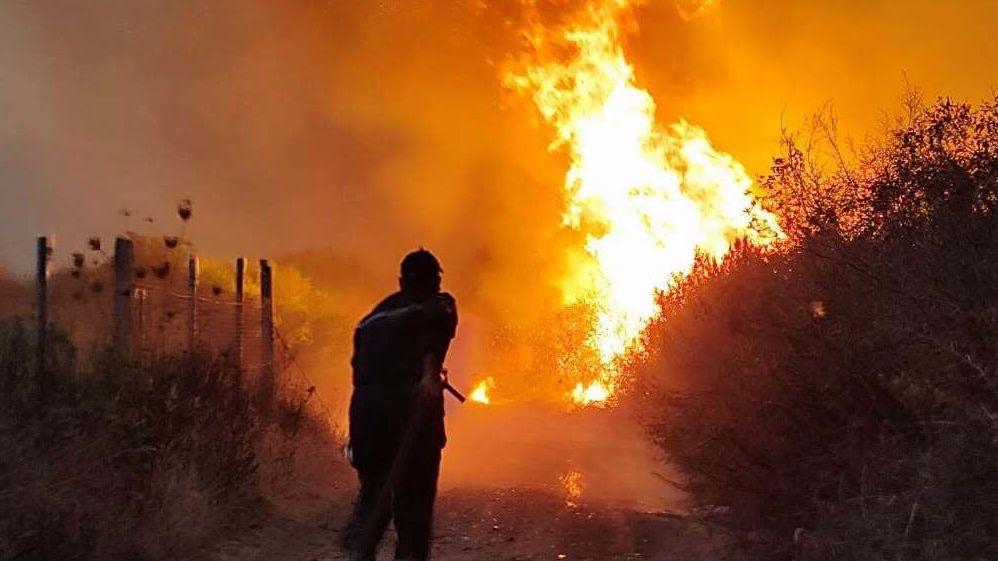
The phenomenon is not random. Behind the curtain of orange is a cluster of raging wildfires in the surrounding forests, where farmers frequently employ a slash‑and‑burn technique to clear land. The resultant particulate matter and soot are sucked up by the prevailing winds, spreading across thousands of kilometres of the island.
Health officials have warned that the air‑quality risk has now reached the most dangerous tier. The Indonesia Smog Pollution Index (ISPU) reported a staggering 1,200 level—four times higher than the 300 figure that marks the 'hazardous' threshold. Respiratory and cardiovascular illnesses may be expected to surge as the city’s residents breathe in the toxic mix.
Beyond the local impact, neighbouring Singapore and Malaysia have also reported a rise in fine‑dust readings, underscoring the transboundary nature of the crisis. Government agencies and environmental groups are calling for immediate action to curb emissions, enforce fire‑control protocols, and address the broader climate context that fuels these disasters.
For those seeking more detail, the BBC links to a deeper analysis of Indonesia’s haze problem and the ongoing response measures taken by the government and international community.