For around 300 residents of Batam’s Bakau Serip village, the sound of a neighbour’s data centre has become a reminder that their own taps have run dry. When the crowd stormed the compound, they brought empty plastic bottles and jerry cans to the large, windowless building that pumps cooling water through a labyrinth of air‑conditioning units.
Muslim residents say the taps have not produced a drop for three months. The water that flows through their homes is now trucked in, described by locals as "dirty, cloudy and smelly". By contrast, the cooling systems on the data‑centre floor are said to have ample water to keep servers from overheating.
Batam’s water utility has promised improvements but declined to confirm that the shortages are linked to data‑centre demand. The provincial trade agency has blamed a prolonged dry spell and denied that domestic water has been diverted to the massive cooling requirements of the new digital park.
These protests are part of a wider backlash against data‑centres across the world— from the U.S. to the U.K. to China— as billions of dollars flow into AI infrastructure. Think‑tanks estimate a single, 50‑MW data‑centre can consume water equivalent to more than 2,200 households per day.
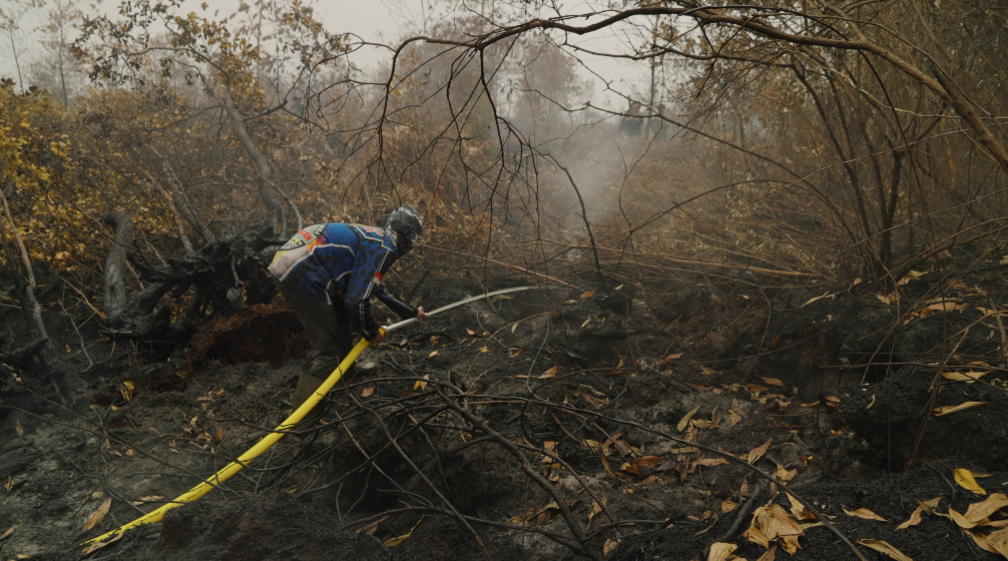
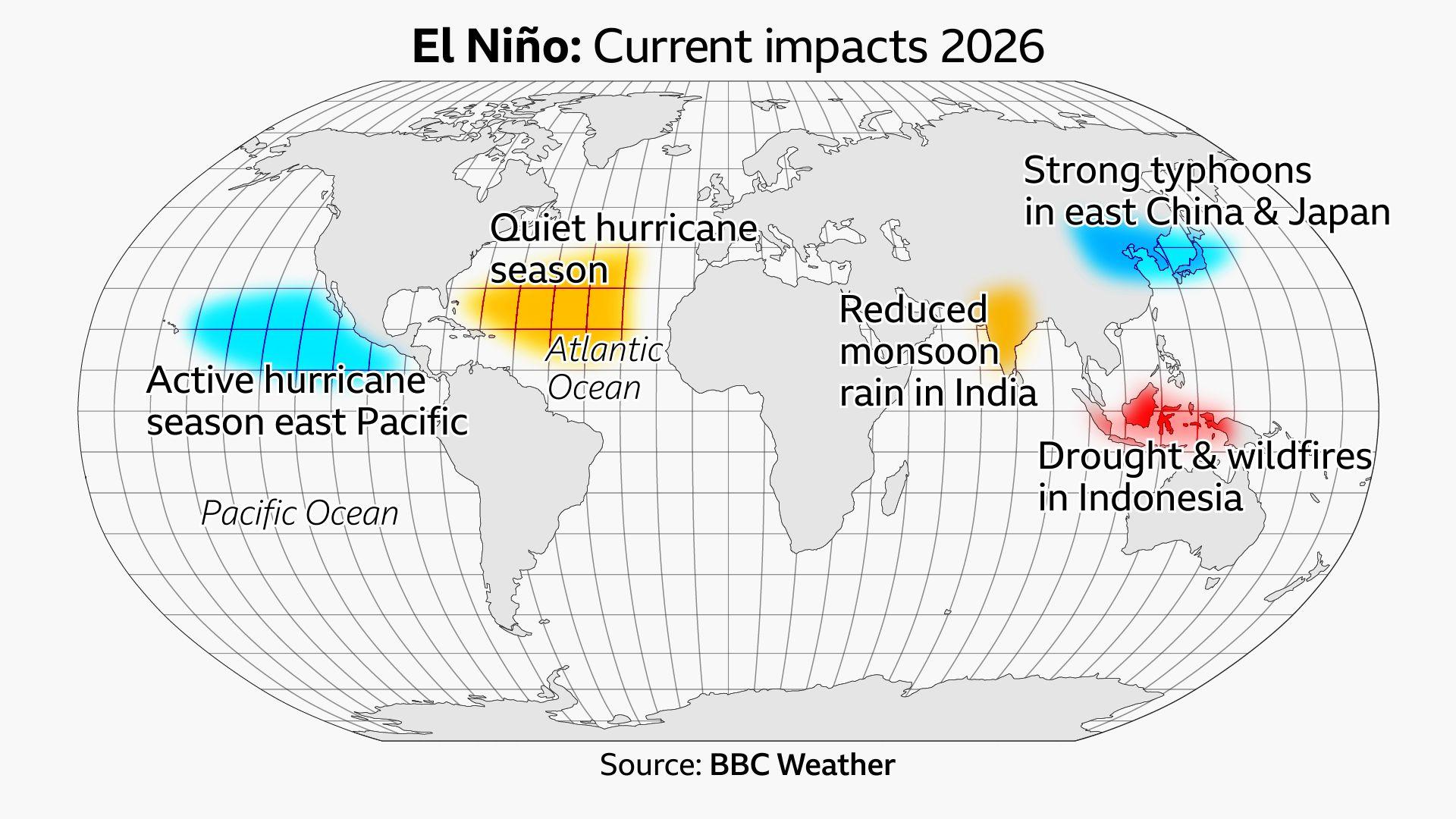
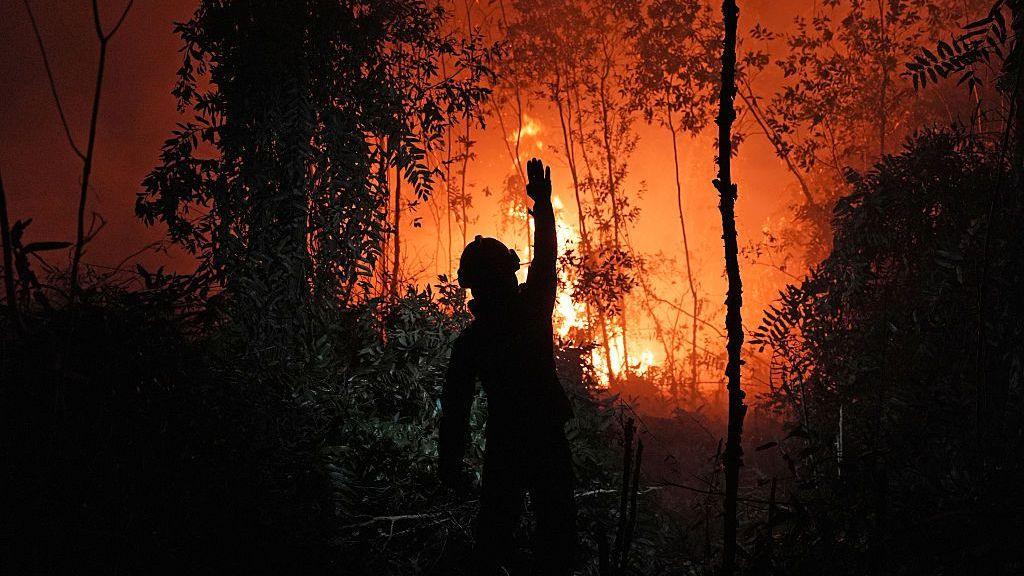
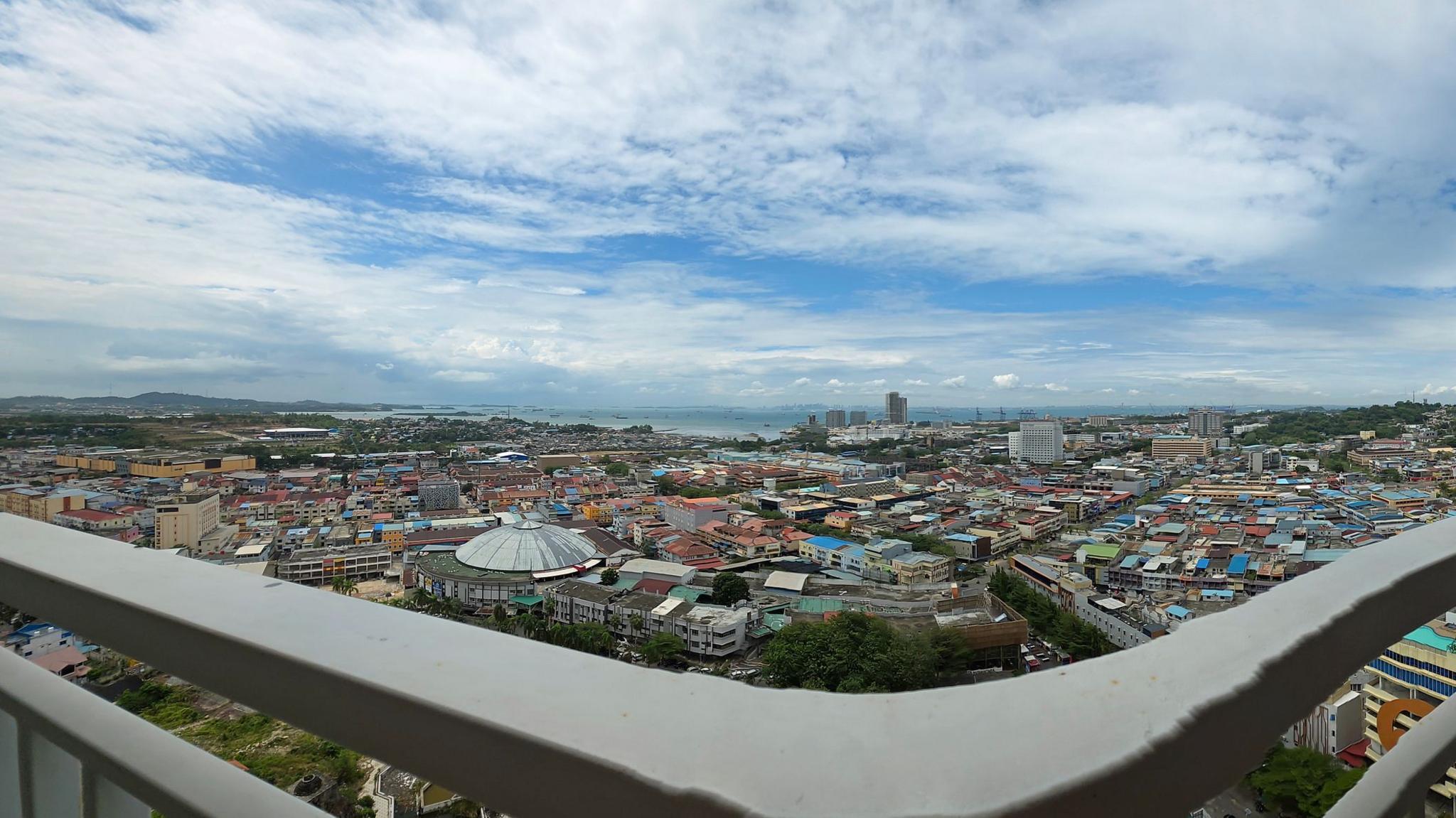
Batam’s main reservoir, the Nongsa lake, supplies water to Bakau Serip and few other districts. Without additional rainfall, local experts warn it could dry up in the next month. The island’s 1.3‑million residents depend on a network of six artificial reservoirs that sit on a patch of low‑lying peatland prone to drying out during El Nino‑driven droughts.
In total, Batam has approved 10 data‑centres, six inside Nongsa Digital Park. Singapore, which is just a ferry ride away, previously paused data‑centre construction in 2019 due to space and energy constraints, only to resume it in 2022 after new efficiency standards were introduced.
While Singapore continues to label the Riau Islands—including Batam—and Malaysia’s Johor as "complementary" regions for digital growth, residents from both sides of the Strait now demand that authorities heed the locals’ water woes rather than indulge billionaire investors.
Citizens call for strict water‑usage quotas and transparency from data‑centre operators and argue that technology firms should use local desalination plants instead of draining the island’s remaining fresh water. Many point out that corporate lobbyists cannot justify new projects when ordinary people are forced to spend their savings on emergency water drums.
The growing tension across Southeast Asia illustrates how the massive cooling footprints of large data‑centres can have tangible consequences for the people living nearby. The future of Batam’s digital ambitions will depend on whether its leadership can balance global AI demands with the essential infrastructure needs of its own communities.