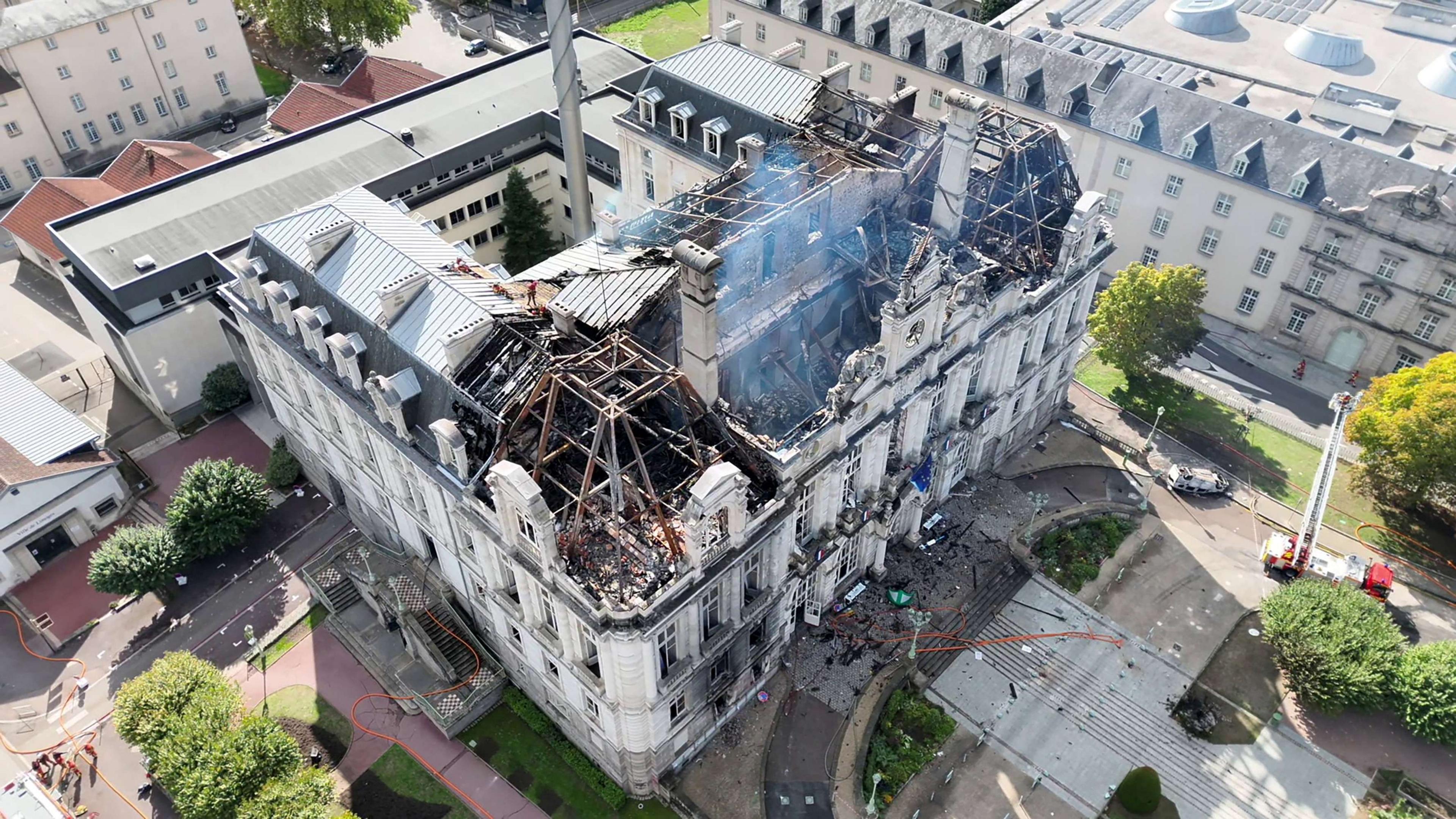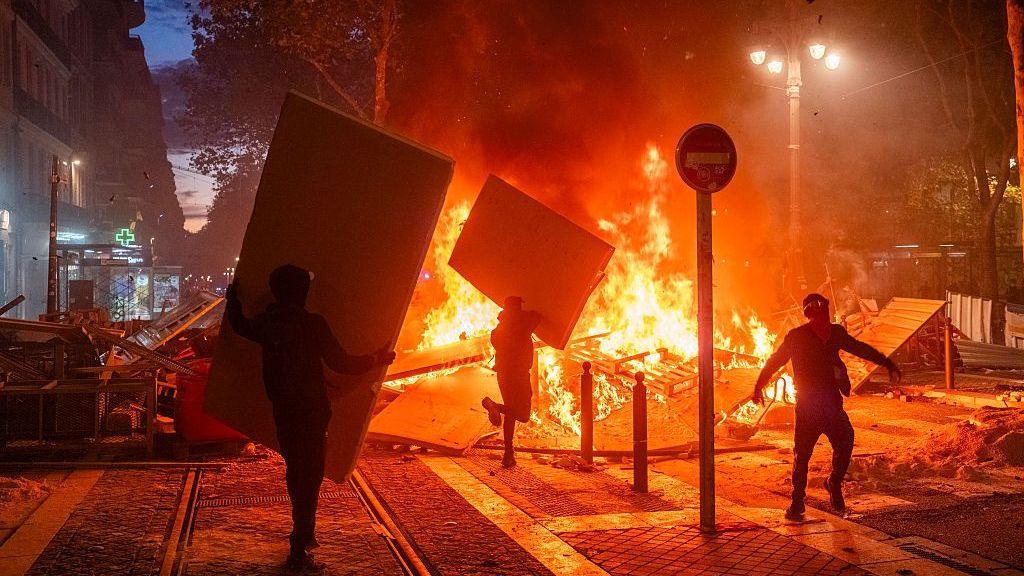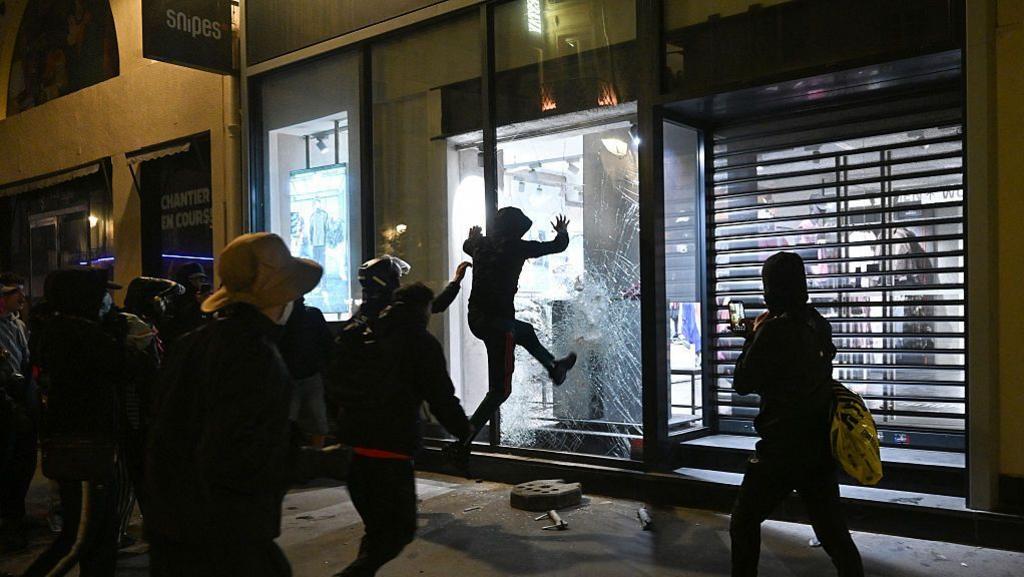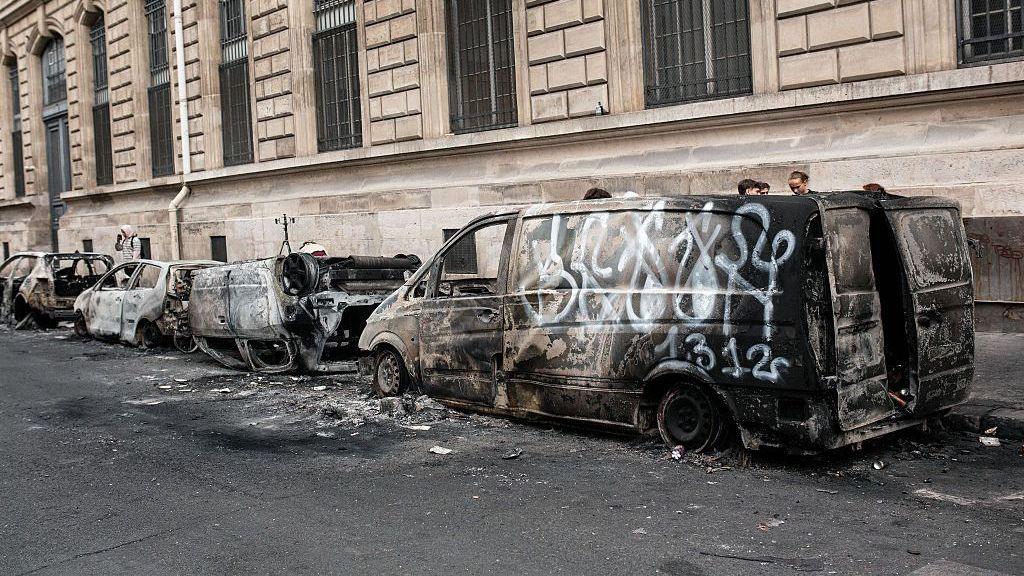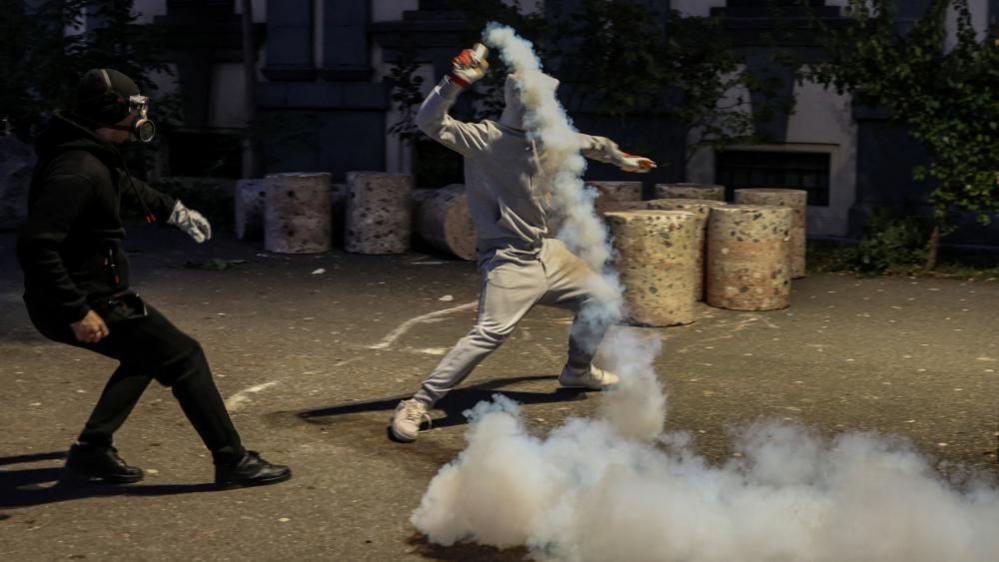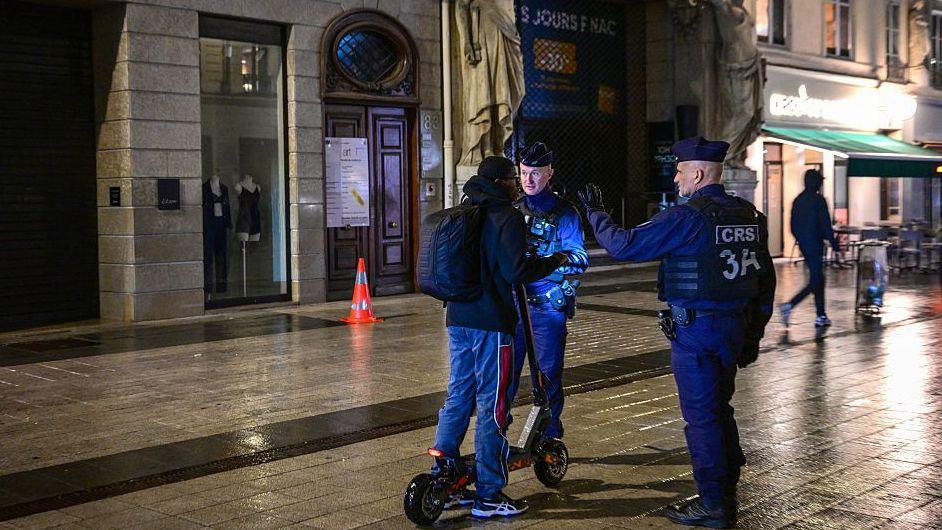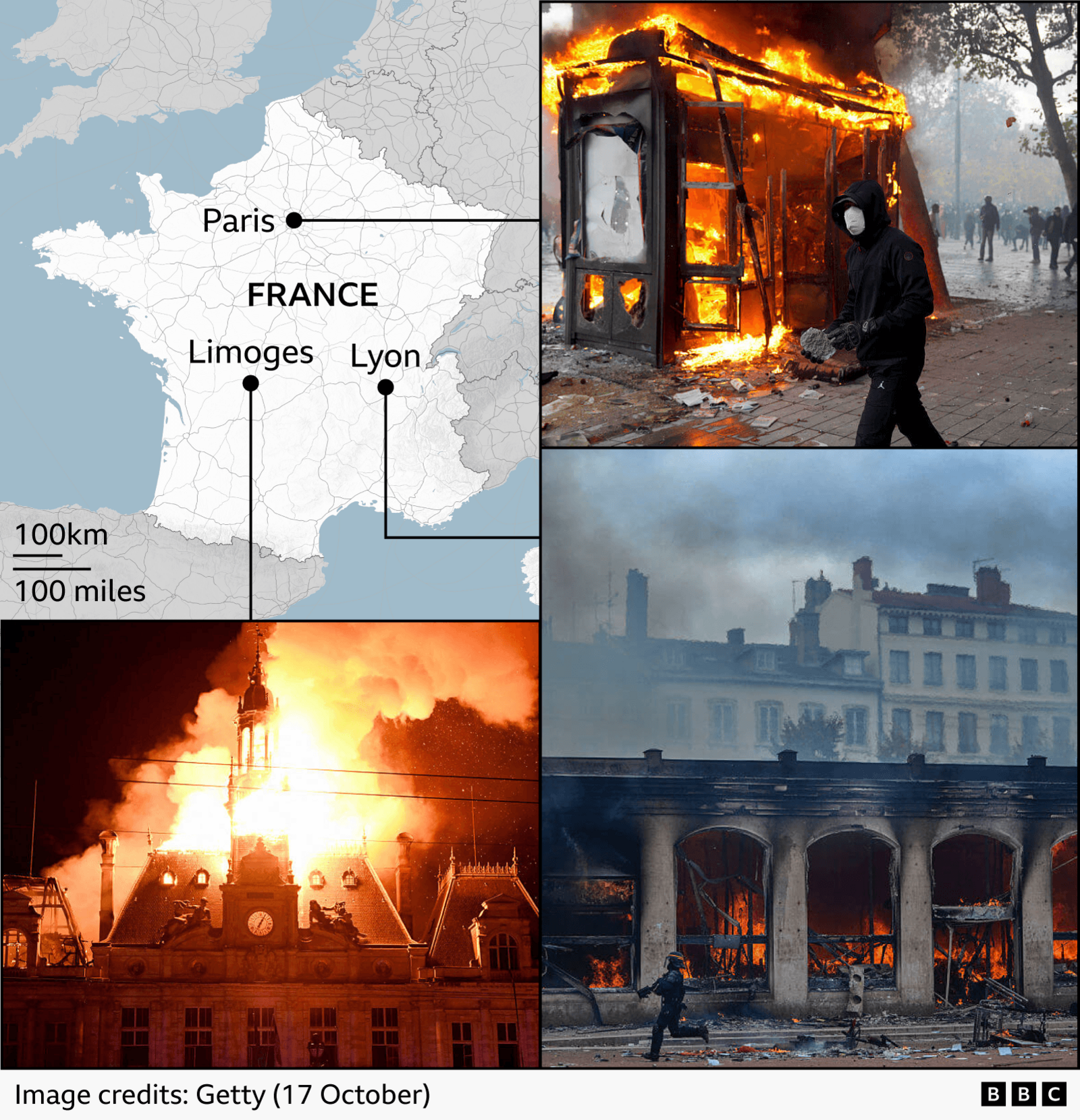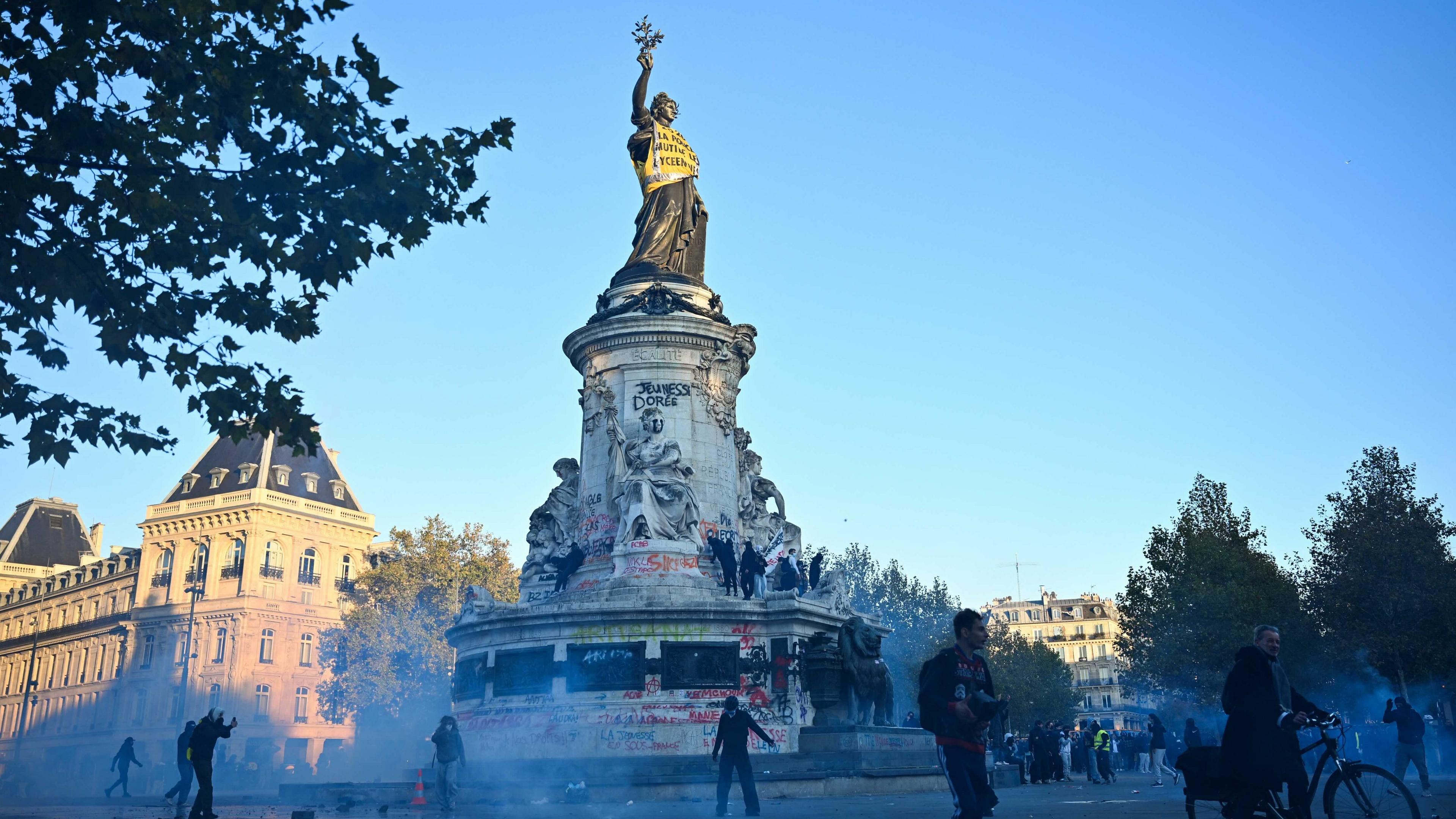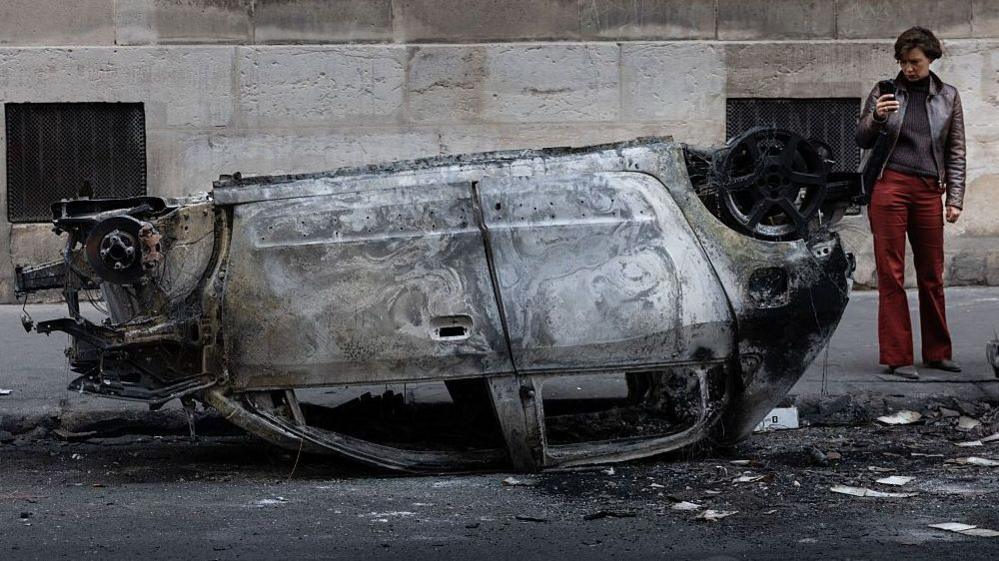
In the city center, a burnt car's wreckage was a stark marker of a night that turned from protest to violence. The shattered glass of storefronts littered the streets, leaving a trail of broken windows and graffiti that read angrily in red letters.
A young resident, Elisabeth, told reporters that she saw the protest turn not a fight over politics, but a fight to make a statement. She said the scene made her feel as if the heritage of France had been attacked.
French intelligence agencies warned that groups aligned with far‑left radicals had peppered the rallies with a black A logo, used on spray‑painted buildings. A report linked these symbols to an anarchist faction that had allegedly planned the damage across several cities.
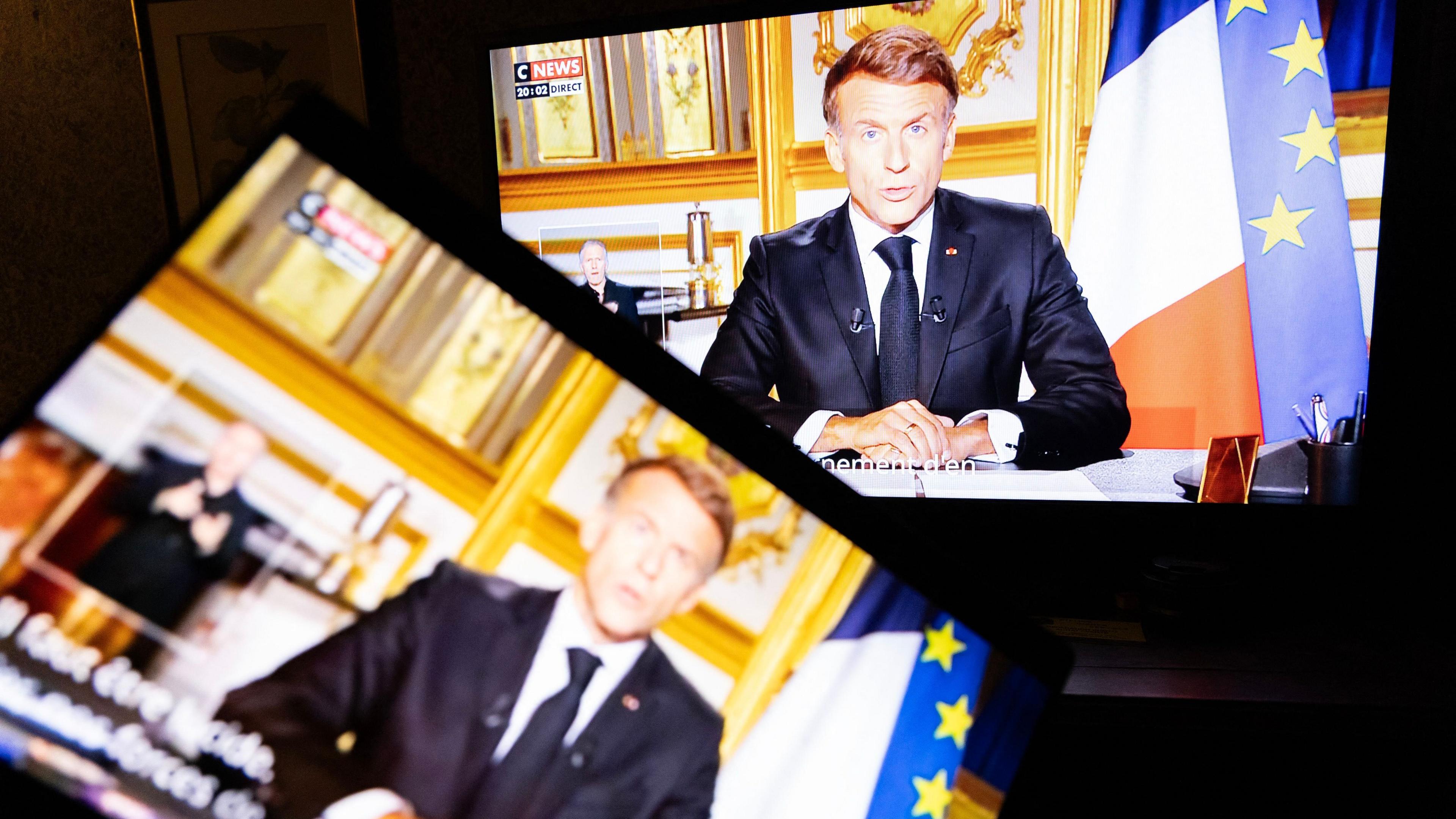
Compounding that, several top officials announced a parliamentary inquiry and declared that any person who had orchestrated or joined the incidents would be prosecuted. President Macron and the Prime Minister called the riots a test of the nation’s policing capacity.
The scene was amplified on social‑media, bringing a new "TikTokisation" to the violence. As officials in Belgium warned, posts of clashes flew across networks, encouraging bystanders and age‑restricted users to attach themselves to what was happening.
While the police were criticised for a lack of law‑enforcement presence, students countered that their protests were driven by real grievances – from rising costs of living to inequality in public services. A spokesperson from the student union said that social media helped spread a message of solidarity rather than violence.
The upcoming presidential race turns the violence into campaign fodder. Leaders from different parties point fingers: the left blames the national government for low borrowing costs, the right highlights the unrest as evidence that the centre cannot protect the people.
On the field, the riots remain a litmus test for France’s political class, leaving the public to ask if the unrest is a symptom of deeper social crisis or a trick used by organised groups to score political advantage.