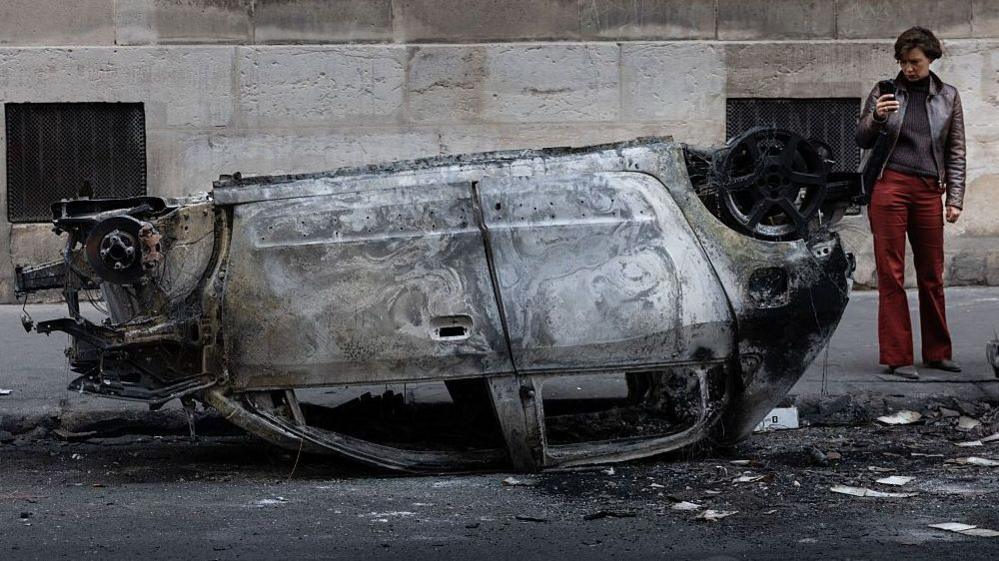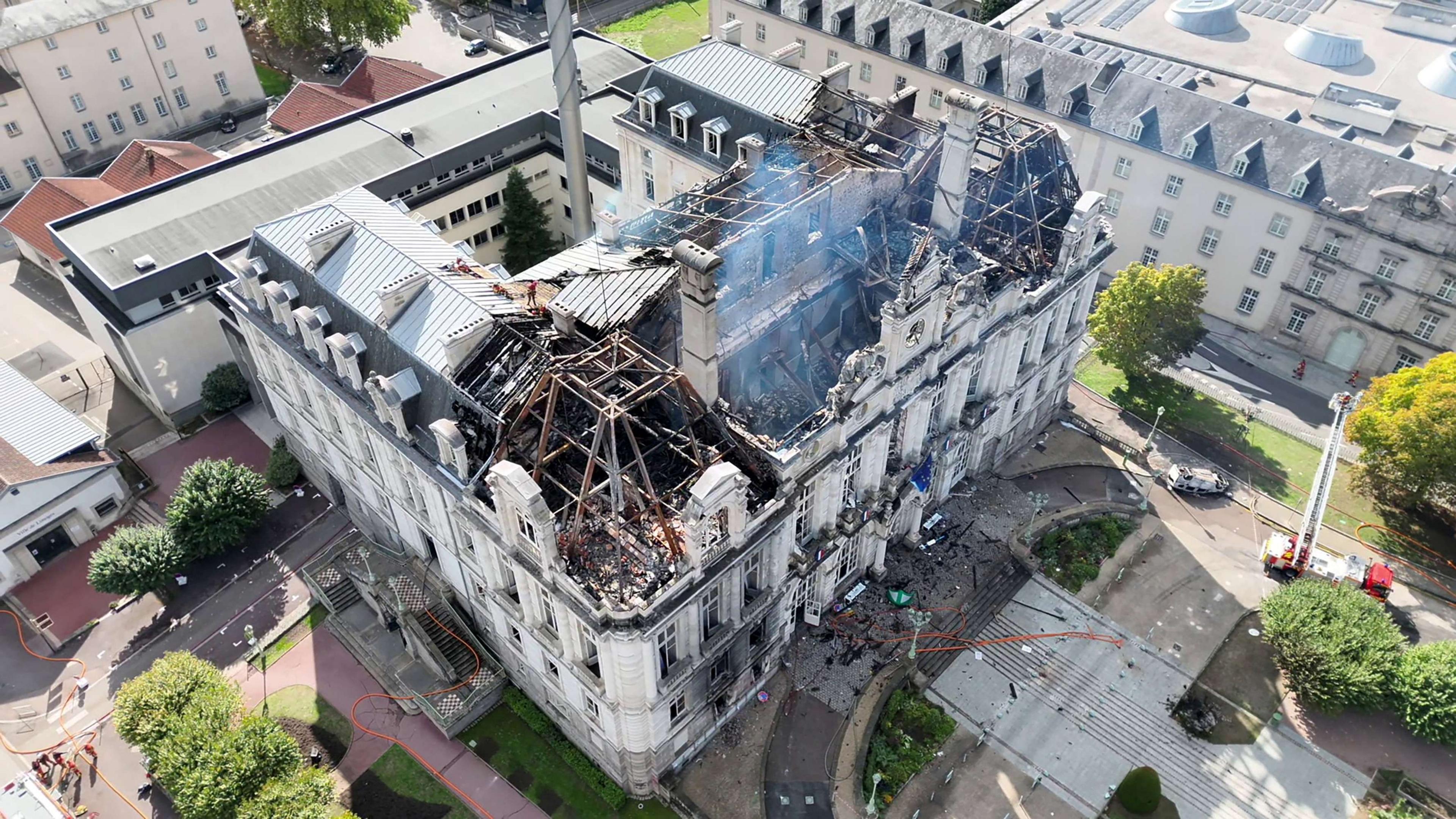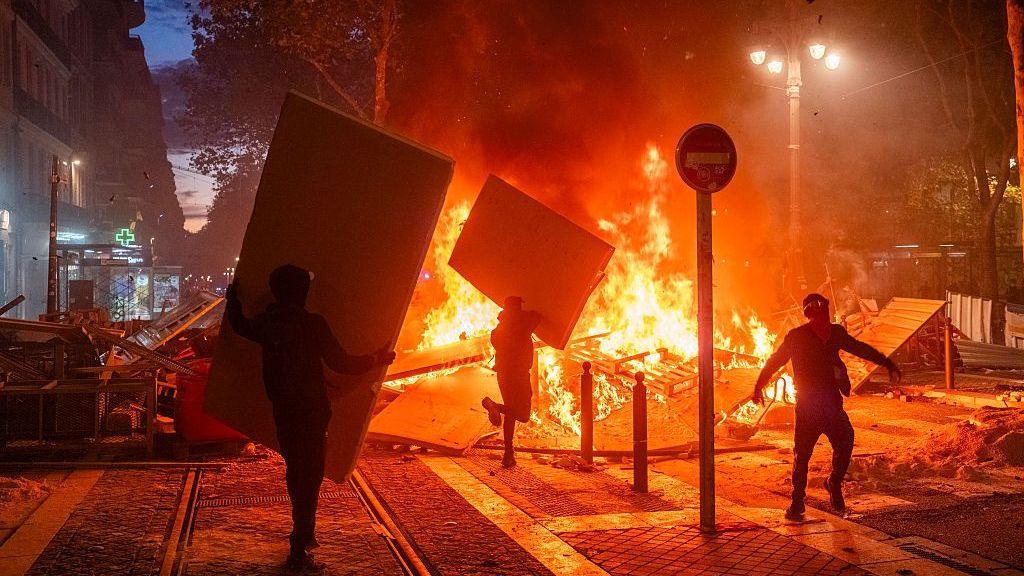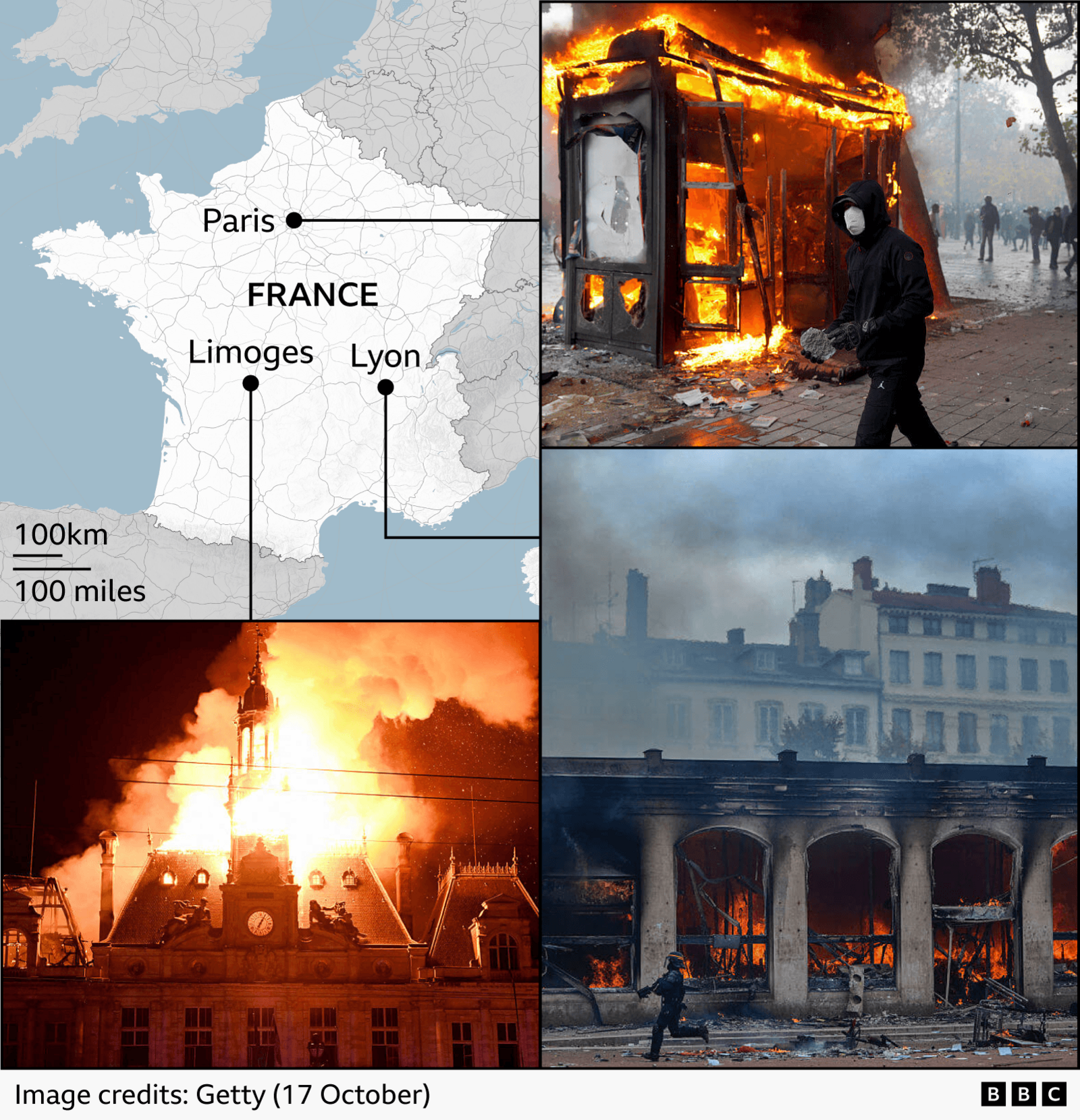
In the wake of a weekend of widespread looting and clashes, France’s Prime Minister Sébastien Lecornu convened an emergency cabinet meeting on Monday to assess the damage and outline a response.
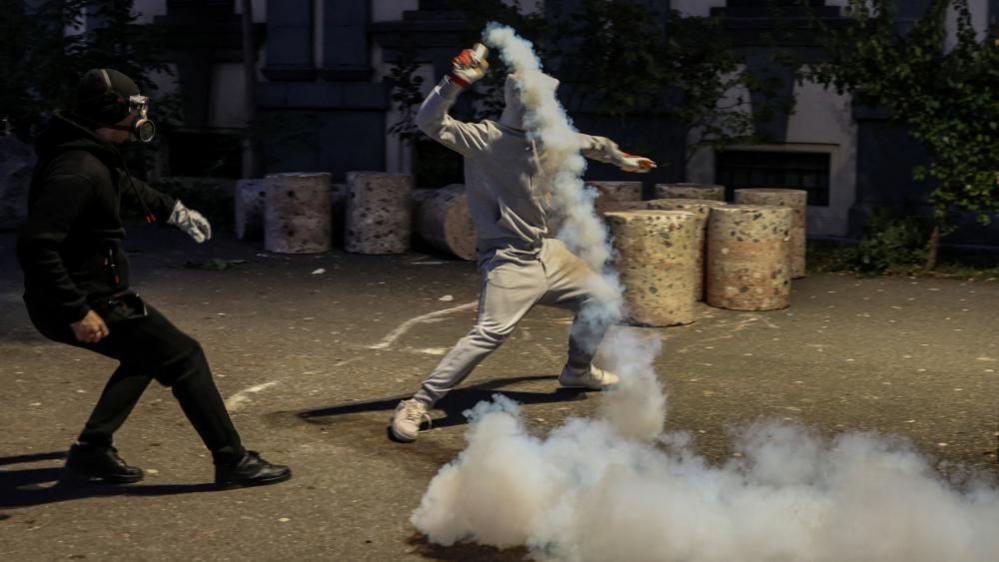
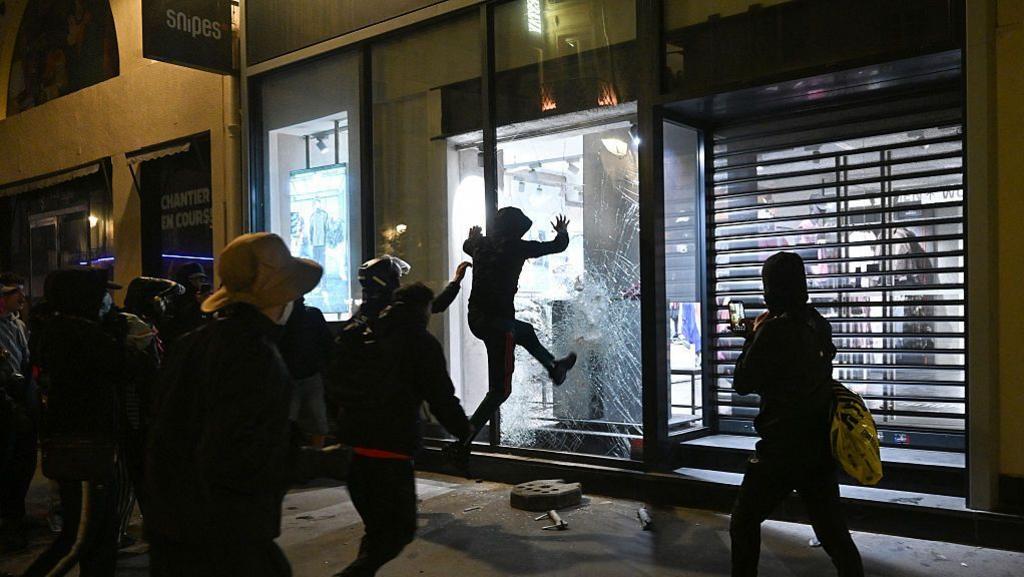
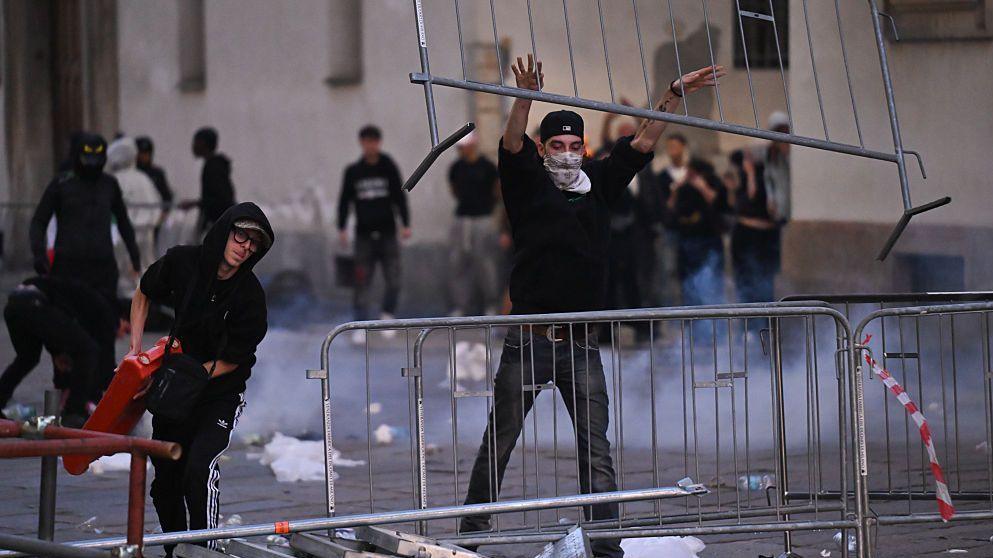
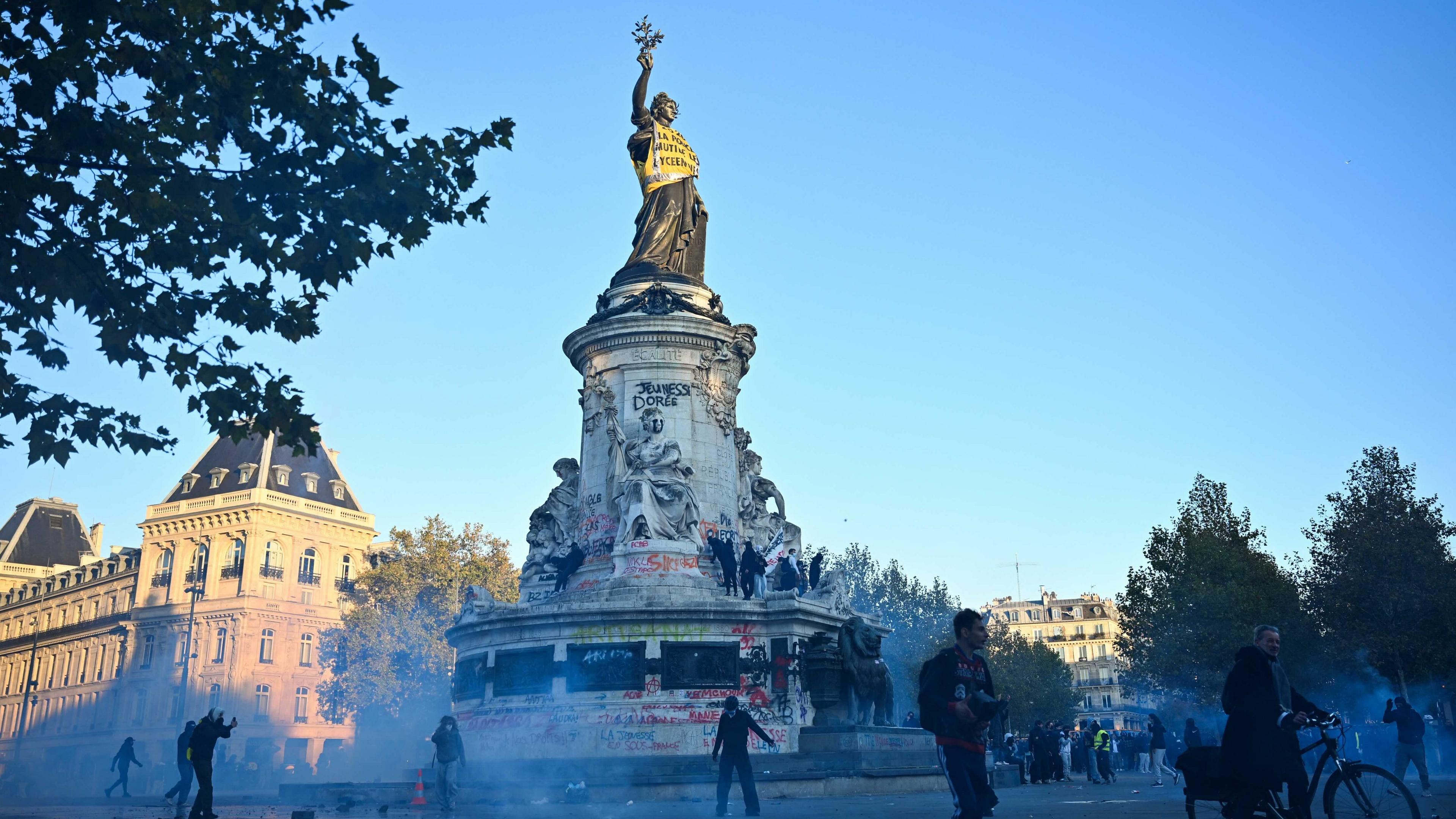
The protests began peacefully with over 500,000 demonstrators rallying against rising living costs and a perceived decline in public services. A breakaway faction of masked activists escalated the demonstrations into looting and vandalism.
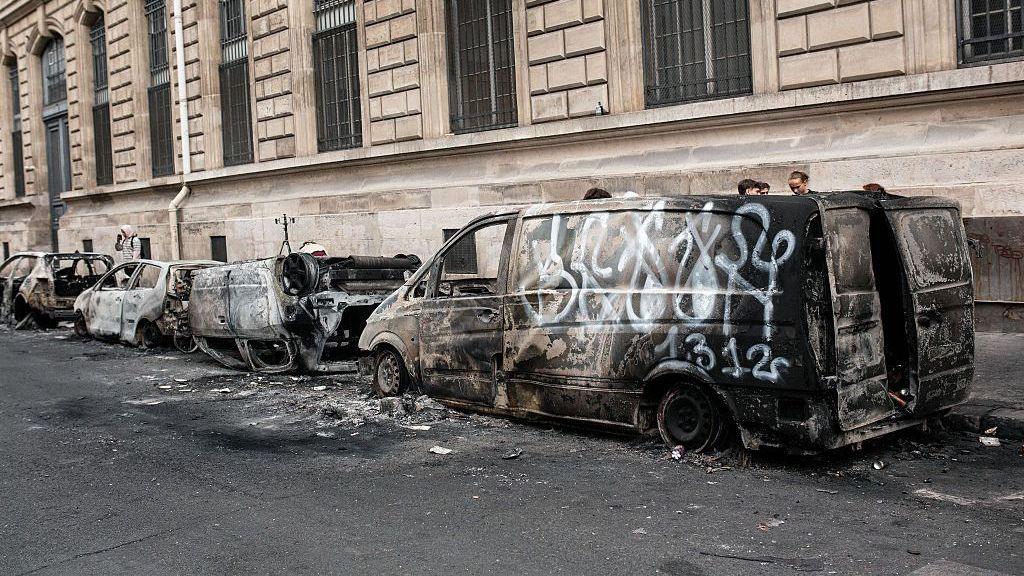
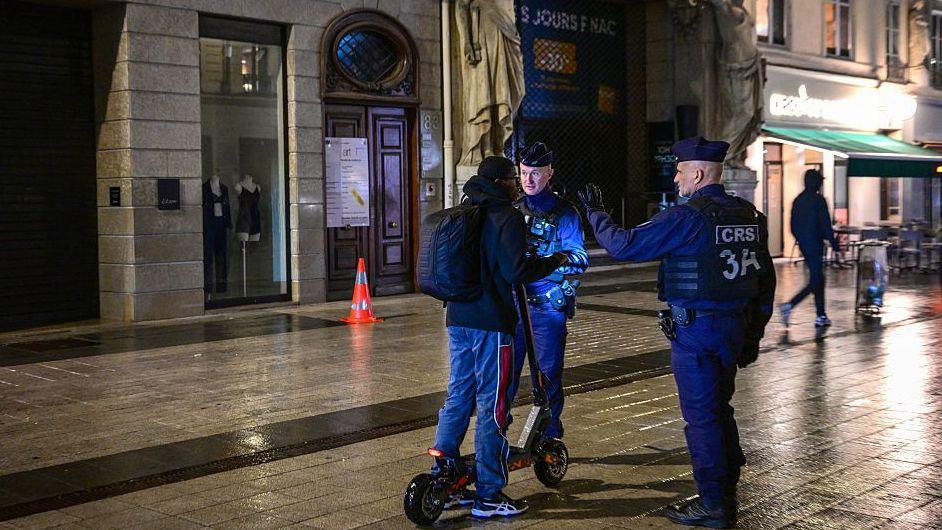
Police resorted to tear gas, water cannons and batons, and reported that around 1,500 shops were damaged or destroyed. Interior Minister said about 1,000 officers sustained injuries, seven of them serious.
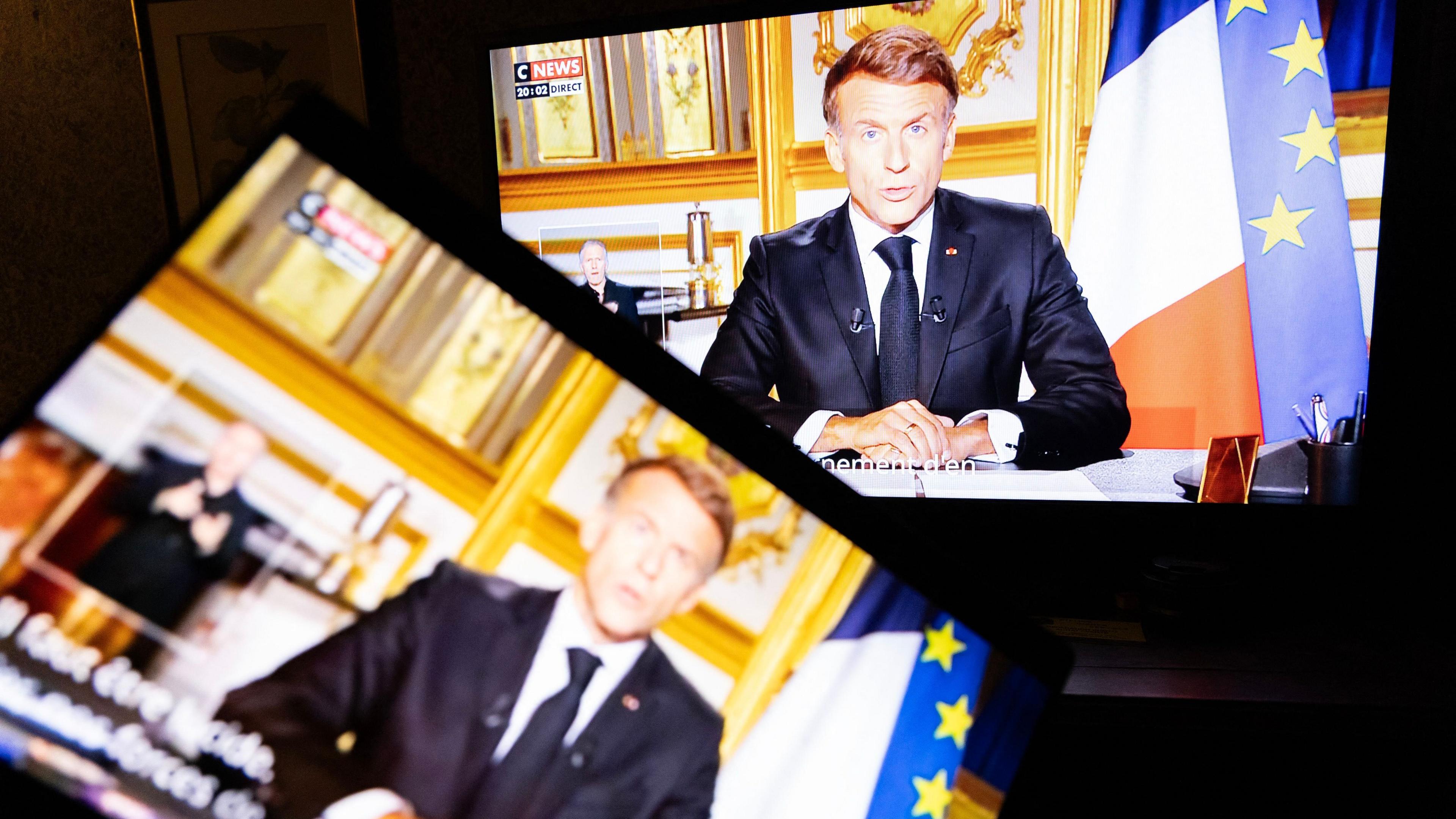
In a televised address, President Macron called for calm, unity and a commitment to bring perpetrators to justice. Social media and critics condemned the speech for lacking specific measures such as a curfew or emergency powers.
The crisis echoes deeper concerns about France’s future: a deteriorating economy, polarized politics, and an impending presidential election in only six months. Political leaders are currently divided, with Macron himself on the brink of leaving office.
Investors worry that concessions to public services will fuel further unrest, while business owners appeal for state compensation for looted shops. Students’ unions continue their own agenda, demanding changes in the education system.
Local communities report lingering fear. Residents describe nights of tear‑gas spills, unrestrained looters and fire‑destroyed facilities. The national mood is tense as organizers anticipate further protests slated for next month.
Across France a cross‑section of trade unions and the long‑standing "gilets jaunes" movement announced a major demonstration for November 5, raising alarm across the country.
Authorities plan to balance enhanced law‑enforcement with civic outreach to prevent further volatility. The government must clarify compensation for victims and address the root causes of public discontent before the next wave of demonstrations.