Albania’s Protests Turn Violent After Seven Days of Clashes

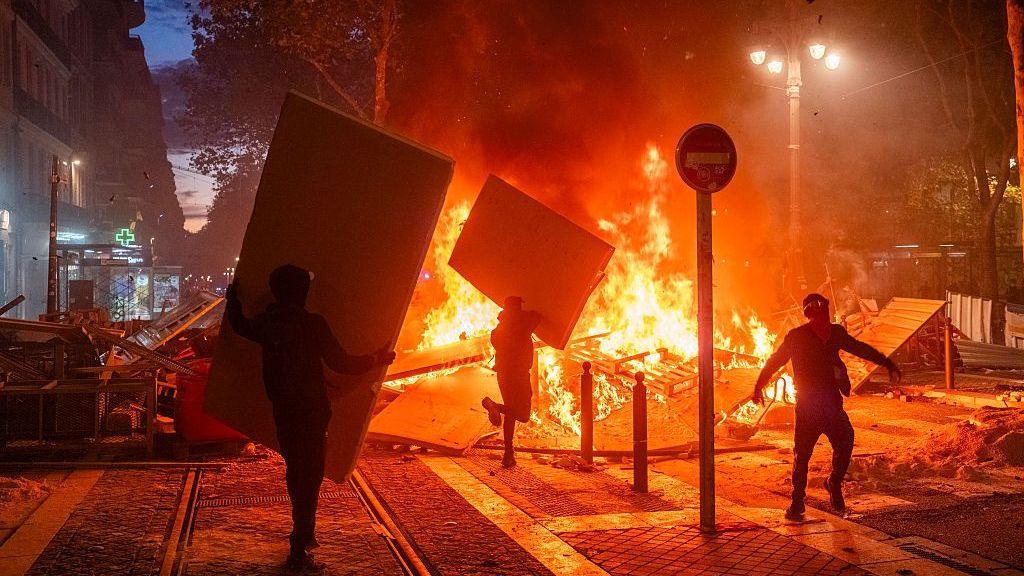
In the capital city of Tirana, students and university staff have been confronting riot police for a week, resulting in 295 injuries, 186 of them police officers, according to official statements.
The protesters, mostly high‑school and university students, demand better university conditions, an end to corruption and Prime Minister Edi Rama’s resignation. Rama has accused the demonstrators of being “radicalised by dark forces in Europe and the US.” He warned that “the state has fallen” if negotiations continue.
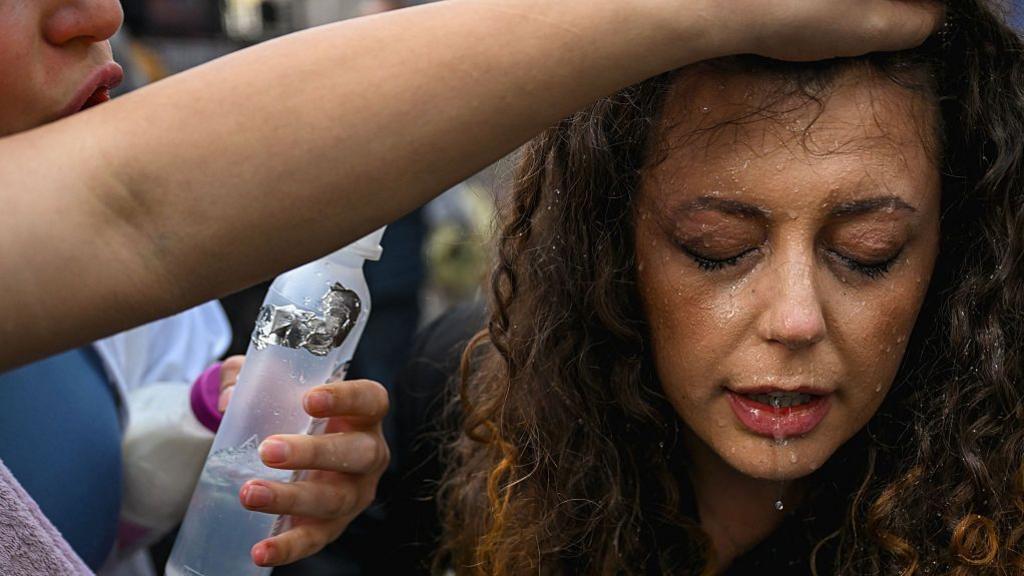
A convoy of riot police, led by an armoured truck, unleashed water cannon and tear gas on crowds that had marched through Rinia Park. The crowd retreated to a café, where the scent of tear gas lingered, and onlookers tried to assist the wounded with saline spray.
Human‑rights lawyer Gentian Sejrani said the police act “often chaotic and stupid.” He highlighted that police rarely present evidence in court, and that many who are arrested have no connection to the protest.
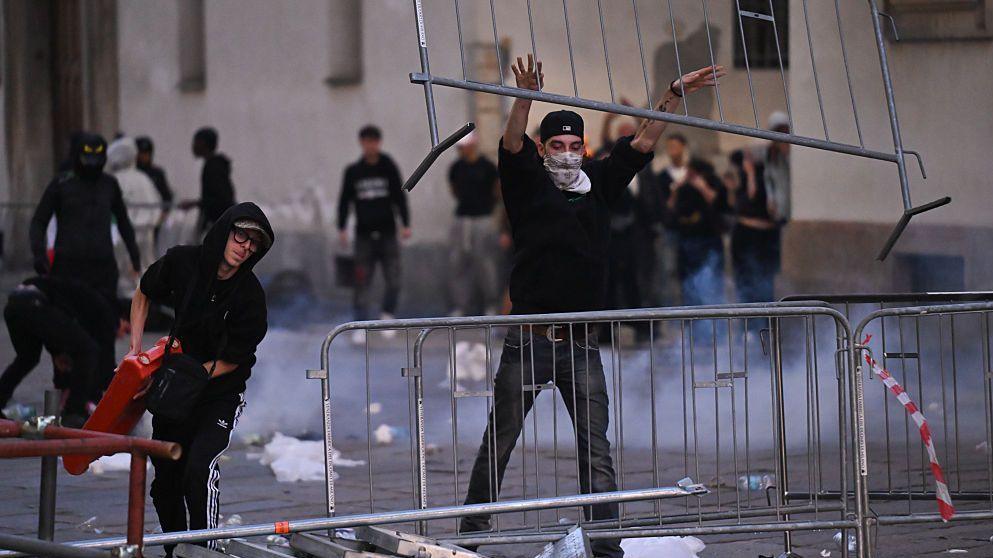
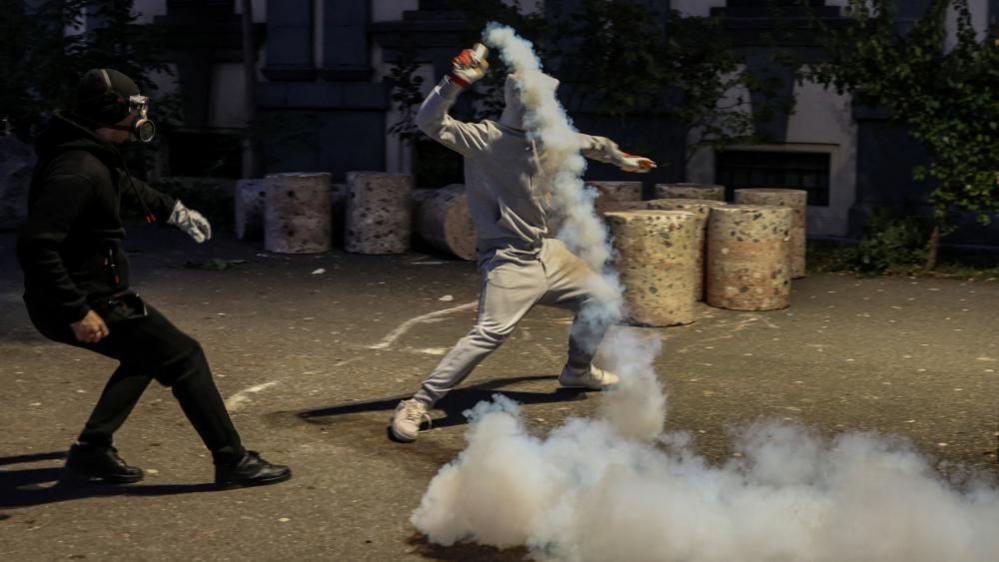
Images from the scene show civilians loosing cobblestones to use as projectiles, a vivid picture of the escalating hostility. One activist, 27‑year‑old Sidorela Vatnikaj, spoke of her day as an organizer: coordinating groups, gathering first‑aid kits, and constantly evading police while encouraging non‑violent protest. She claimed the violence stems from police “starting and fuelling it.”
The unrest follows Rama’s 13‑year rule and promises for EU membership by 2030. His opponents accuse him of rigging elections and colluding with foreign investors and organised crime. As the clashes continue, Albania’s future—whether it can achieve the democratic reforms promised—remains uncertain.