In brief
The nationwide protests over rising fuel prices, cost of living and deteriorating schools turned violent across France. Mid‑day demonstrations in Paris, Marseille and Lille saw 550,000 people clash with police, 1,800 arrests and 150 officers wounded. Fires broke out, hundreds of shops were looted and iconic designer storefronts were shattered. Proponents of the protests say the unrest forced a reckoning, while many business owners blame opportunistic looters for the damage.
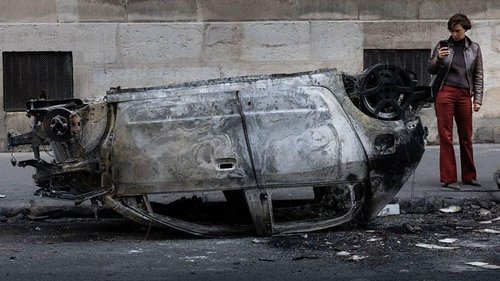
On the morning of October 18, France was thrust into chaos as demonstrations across the country erupted into widespread violence. Images of burnt‑out cars, shattered windows, and piles of glass littering Parisian streets went viral as patrol units clashed with protesters.
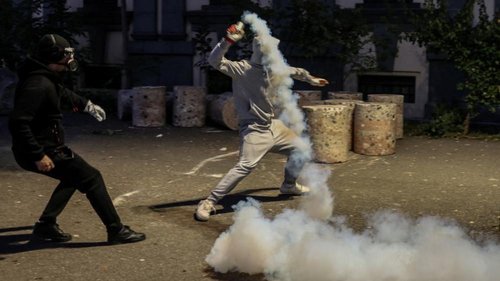
Some 550,000 demonstrators took to the streets on Saturday, calling for lower fuel prices, a reduction in the cost of living and increased investment in public services, especially schools. Police officers arrested roughly 1,800 people during the day, while terror‑tactics such as tear gas and water cannon were deployed in the capital.
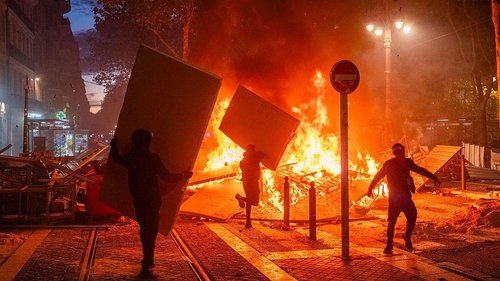
In Paris, Marseille and Lille, groups of rioters—many wearing black balaclavas—set fire to vehicles and vandalised public property. The scene in Paris saw a McDonald’s shop front mown to the ground, a boutique amplified by graffiti slogans like “tax the rich”, and the giant glass façades of designer stores smashed to bits. Army riot police were seen charging crowds and striking several people with batons.
The chain of violence extended beyond the capital. In Marseille, protestors collapsed a metal fence onto the city hall, while in Lille an isolated McDonald’s and a neighboring Apple store fell victim to looting and arson. Prime Minister Sébastien Lecornu announced that 150 police officers were injured during the unrest.
One shopkeeper near the Place de la République described how his store was emptied in a little over an hour, with looters enjoying the absence of police in the area. CCTV footage reportedly showed masked teenagers sneaking into a mobile phone shop and rifling through the shelves.
The ripple effect reached smaller cities: Lyon’s mayor condemned the burning of a historic tourist office; in Limoges, a town hall caught fire and partially collapsed; a near‑shooting in Saint‑Étienne left a young man disfigured. Each incident underscored the fragility of civil order in the face of public discontent.
The student movement that began last month has now grown to hundreds of thousands. With overcrowded classrooms, teacher shortages and run‑down buildings, the youth are demanding a comprehensive overhaul of France’s educational system.
As authorities assess the damage, the nation's leaders face mounting pressure to address the underlying social and economic grievances that fuelled the protests. The rest of Europe watches closely, fearing the contagion of these riots might spread beyond France’s borders.