In brief
Two leaders of India’s edgy Cockroach Janta Party (CJP) were set free from jail after a week of incarceration for breaching a barricade at Delhi’s Jantar Mantar protest site. The release follows a special executive magistrate ruling that the two had not committed any serious offence. The incident highlights the CJP’s rapid rise from an internet joke to a political pressure group, and its fierce criticism of the Chief Election Commissioner’s Special Intensive Revision of voter rolls. The CJP’s accusations—claiming the revisions favour the ruling party—continue to spark debate over electoral integrity versus prevention of fraud.
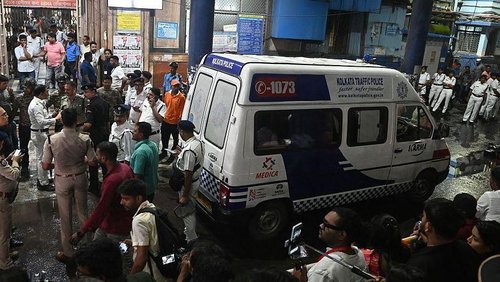
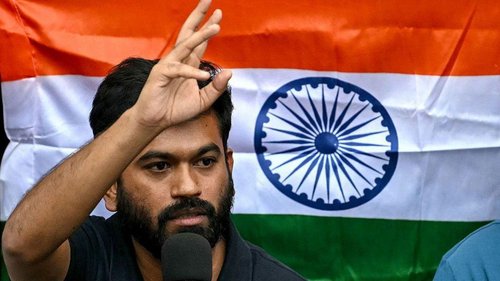
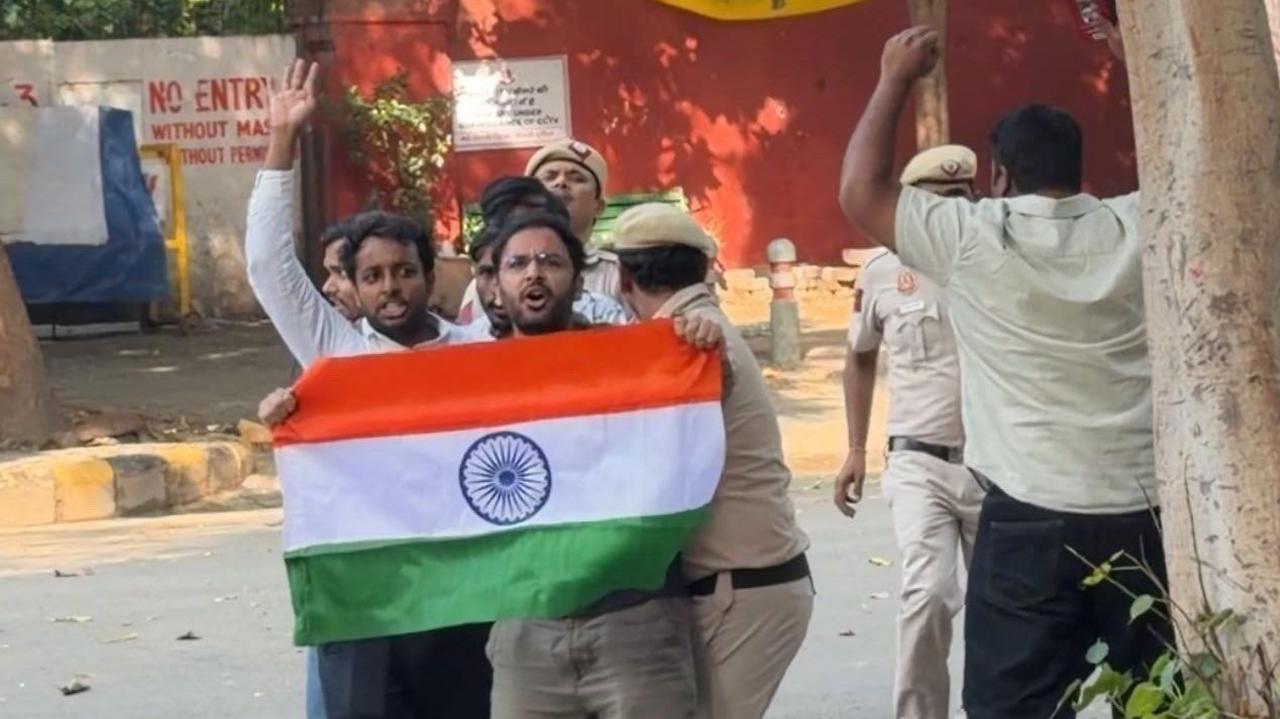
Two young activists from the Cockroach Janta Party (CJP), a Gen‑Z‑led movement that began as an internet joke, were set free from Tihar Jail after a week of confinement over a protest that breached barricades at Jantar Mantar – an iconic Delhi venue.
The magistrate’s order came after a special executive magistrate court ruled that the two men, Saurav Das and Ashutosh Ranka, had not committed misconduct grave enough to keep them behind bars. The pair had been detained for allegedly crossing a locked gate and climbing a barricade to protest against the government’s handling of the Special Intensive Revision (SIR) of electoral rolls.
Truth alone triumphs. Long live the revolution.
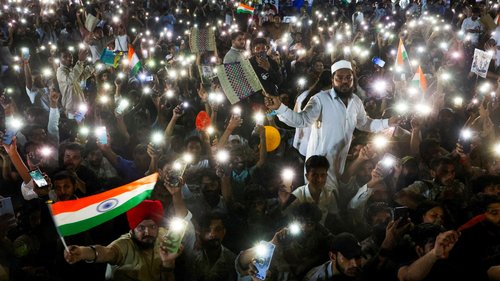
The CJP, which started online in May 2026 after a judge’s joke about “cockroaches” was used to describe youth unemployment, swiftly grew into a formidable pressure group. By July it had mobilised thousands at a march to Parliament that sparked clashes with police and helped force the resignation of the education minister.
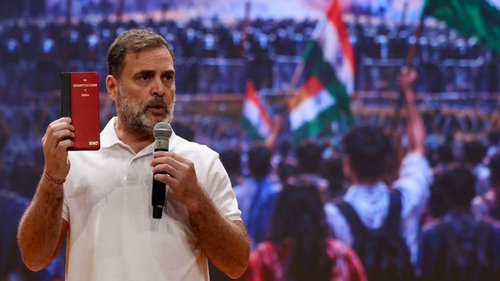
Now the movement has shifted focus to the electoral system, accusing Chief Election Commissioner Gyanesh Kumar of using the SIR to wipe out around 130 million names from voter lists in favour of the ruling Bharatiya Janata Party. The Commission insists the exercise is intended to remove ineligible, deceased and duplicate records, while critics warn it may disenfranchise eligible voters.
The release of Das and Ranka underscores growing tensions in Delhi’s political arena and raises questions about the balance between protest rights and law enforcement. Whether the CJP’s ambition to reshape India’s democracy will endure remains to be seen.
Source: BBC News in partnership with Reuters.