In brief
The youth‑led Cockroach Janta Party (CJP) founder was held by police in New Delhi ahead of a demonstration aimed at the election commission. The move followed a police warning against the march and triggered a large‑scale detainment of protesters, journalists and students. The crackdown coincided with broader opposition protests over alleged voter‑roll manipulation and the demand for Chief Election Commissioner Gyanesh Kumar’s resignation. While the CJP likens the action to India’s emergency era, authorities say it was necessary to preserve public order. The incident has intensified scrutiny of the commission’s “Special Intensive Revision” (SIR) and added pressure from student and opposition groups.
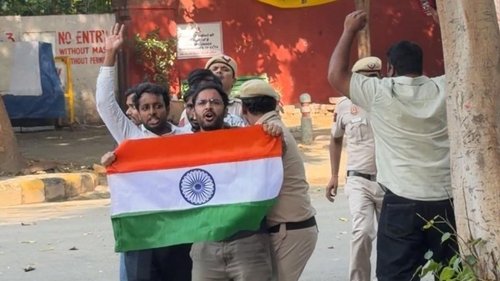
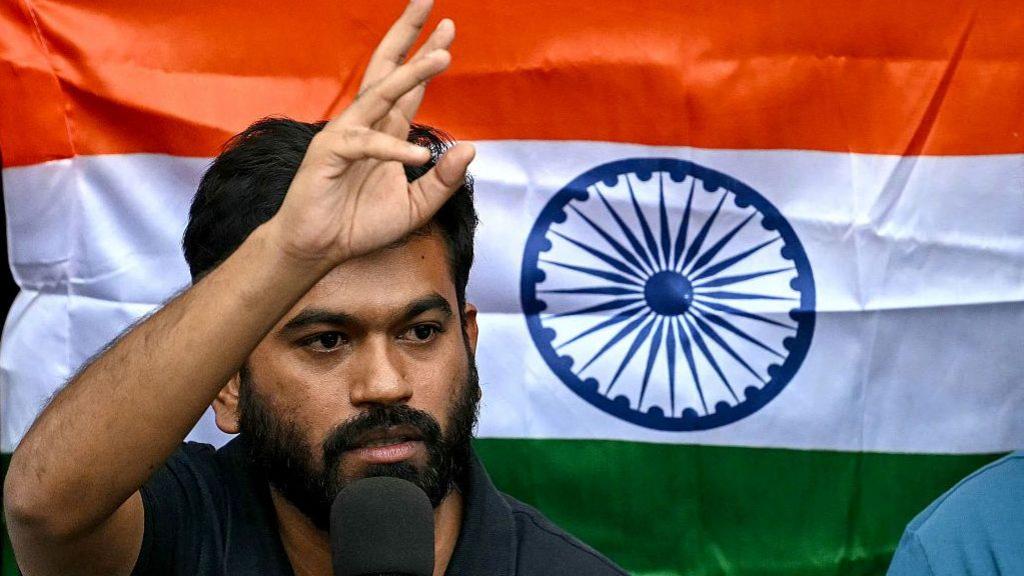
Abhijeet Dipke, the charismatic youth leader behind India’s “cockroach” protest movement, was taken by Delhi police in the early hours of October 15. The detainment came a day before a planned march in the bustling Connaught Place district, aimed at demanding the resignation of Chief Election Commissioner Gyanesh Kumar over alleged manipulation of voter rolls.
Police had issued an explicit warning to Dipke not to hold the march and had deployed thousands of officers across the city, including a large contingent near Central Park. When Dipke tried to flee on his way to a car, officers surrounded him and forced him into a police vehicle, while supporters attempted to block the escape.
The Cockroach Janta Party (CJP) began as an online banner in May, after a senior judge remarked that many unemployed young people were “like cockroaches.” Since then the group has turned the insult into a rallying cry, mobilising thousands to protest over leaked exam papers and now the alleged voter‑roll revisions that reportedly removed more than 130 million names.

Witnesses and footage captured by the BBC show police seizing dozens of people—including journalists and student activists—by the arm, dragging them to buses and, in some instances, subjecting them to physical assault. The crackdown drew widespread condemnation, with the CJP comparing the actions to the emergency period of 1975‑77 when civil liberties were suspended.
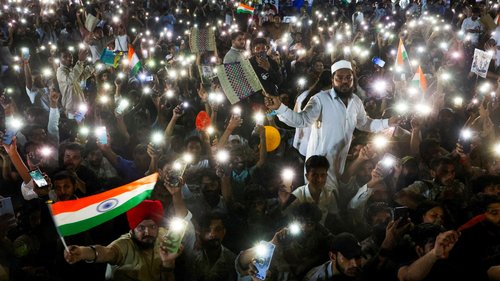
Police defended the operation as a necessary measure to maintain public order, citing potential traffic disruptions and safety concerns around the heavily guarded Jantar Mantar site that had previously hosted mass demonstrations. The march, however, proceeded in smaller waves as the CJP urged supporters to enter Connaught Place in groups of fewer than five, wave the national flag, photograph the moment and depart.
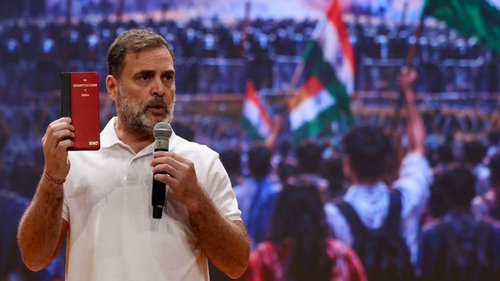
The incident is part of a wider wave of protests by opposition parties, students and the corporate lobby calling for the resignation of Gyanesh Kumar over the “Special Intensive Revision” (SIR) campaign. Rahul Gandhi and other lawmakers attempted a march to the Election Commission’s headquarters the previous week but were detained, prompting further calls to the Supreme Court. Opposition leaders pressed the matter to President Droupadi Murmu, while Home Minister Amit Shah defended the commission’s independence and the integrity of the voter‑roll process.
While Dipke’s detention has raised concerns about the limits of democratic expression, the CJP has vowed to continue its protests irrespective of the courtship of police and political opponents. The confrontation underscores a growing unease over electoral reforms and adds to the mounting pressure on India’s political establishment to address systemic controversies.