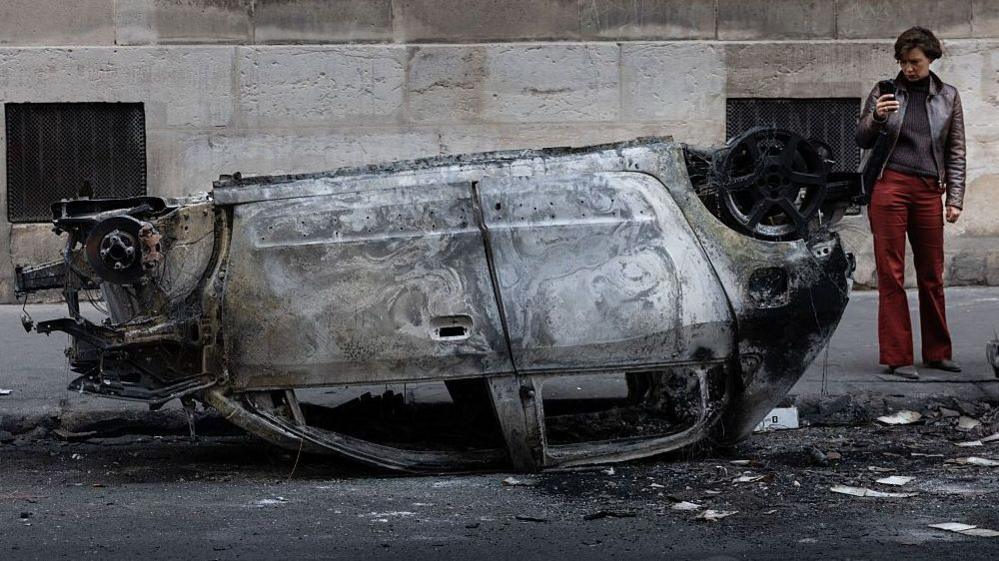
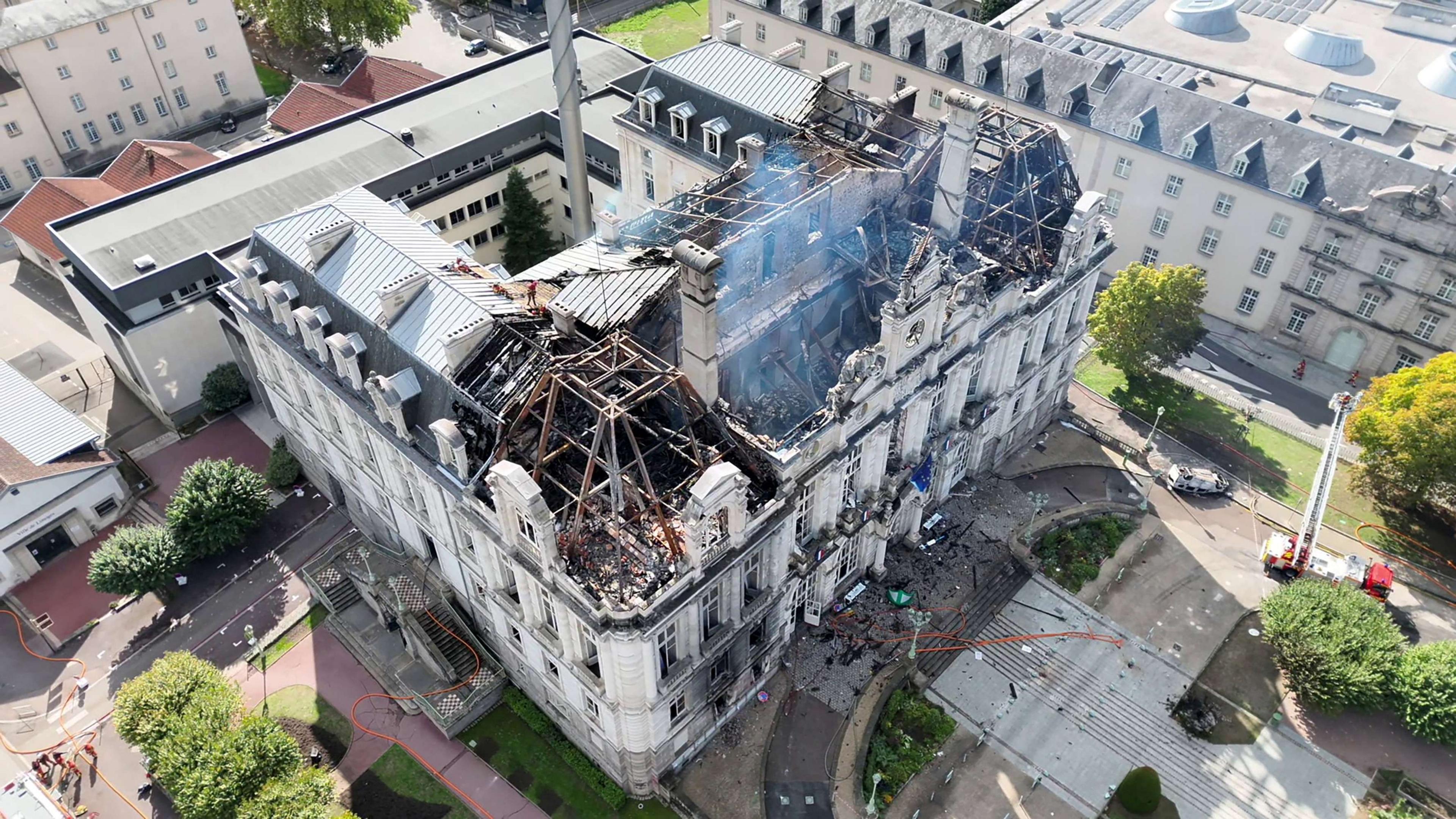
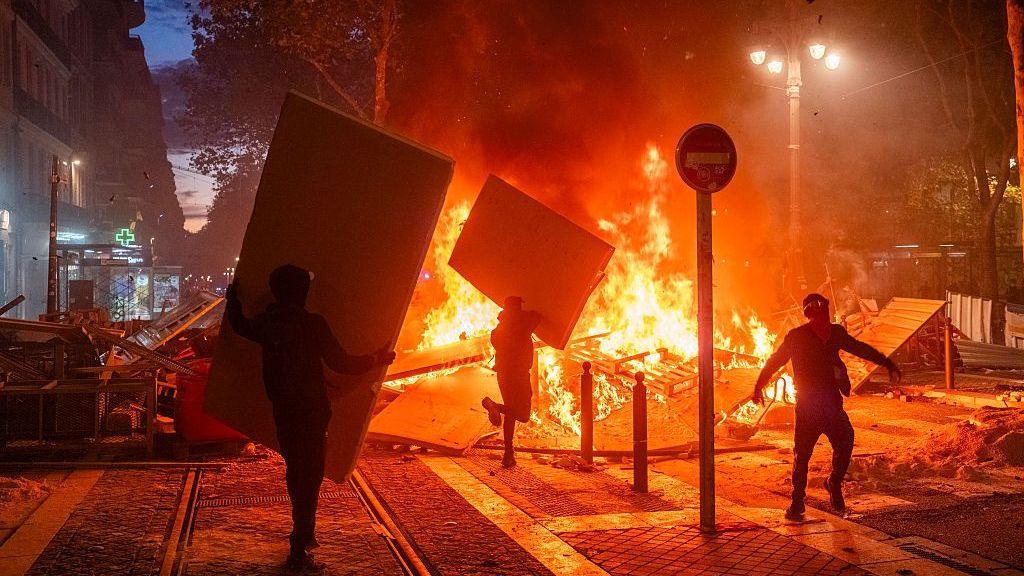
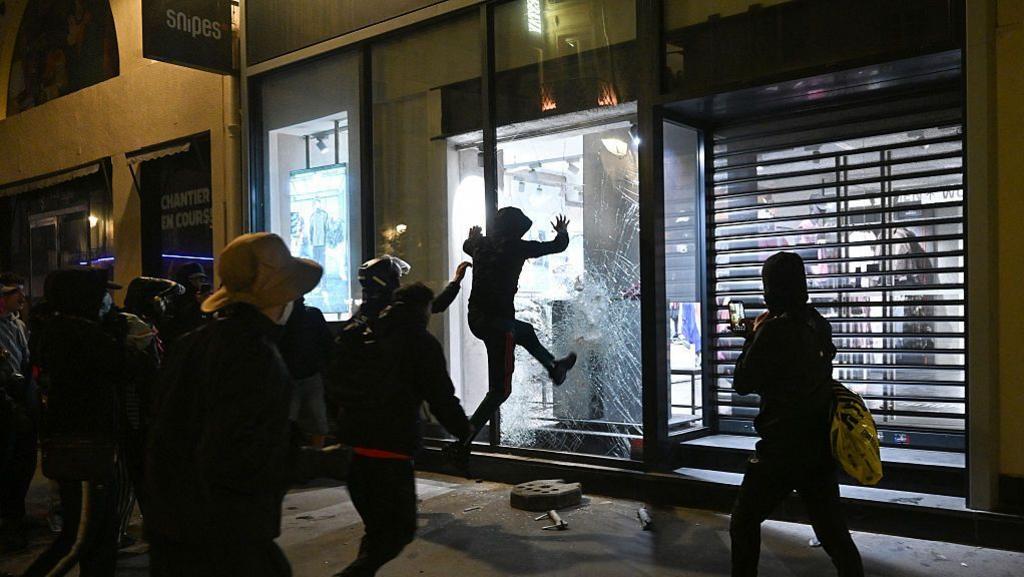
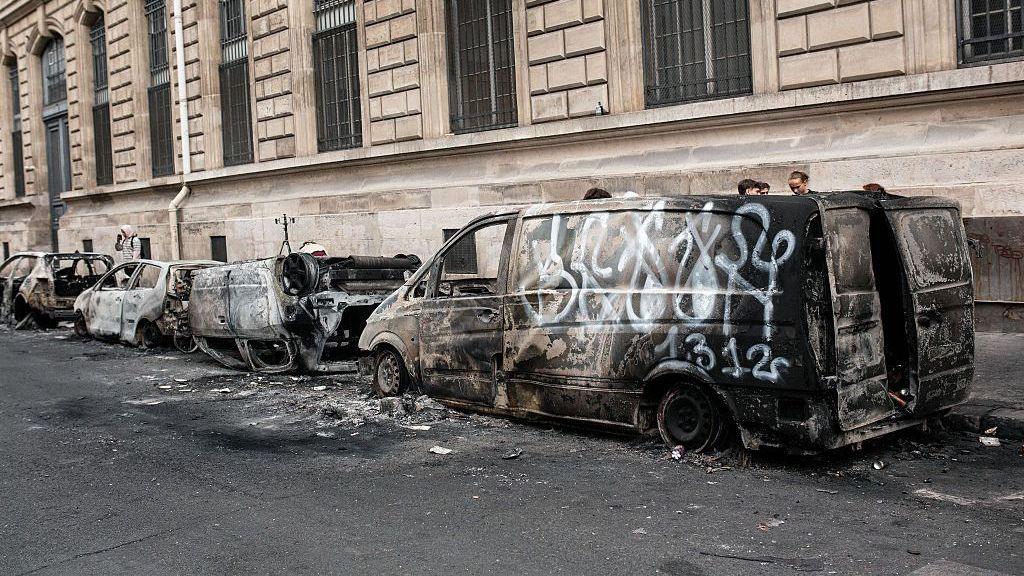
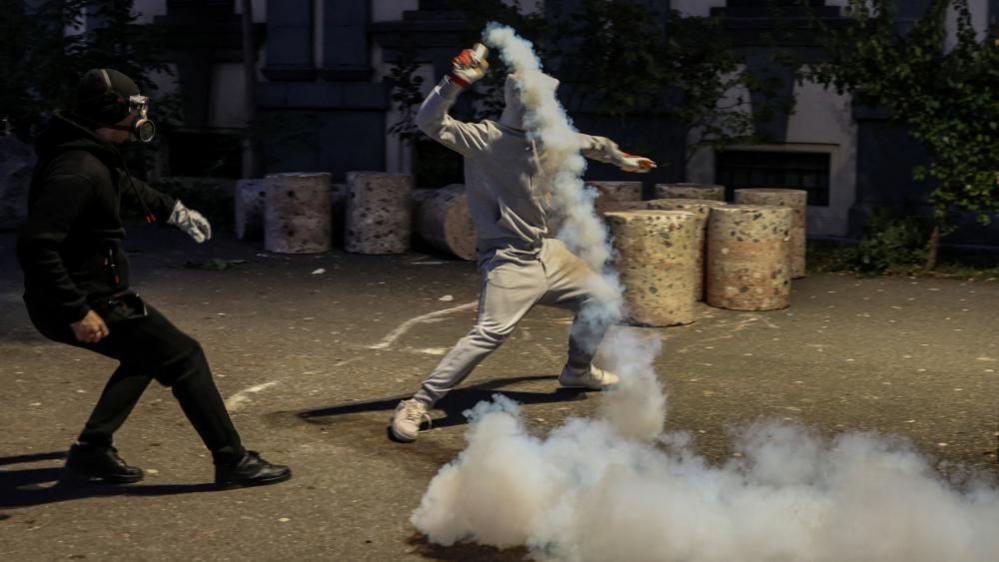
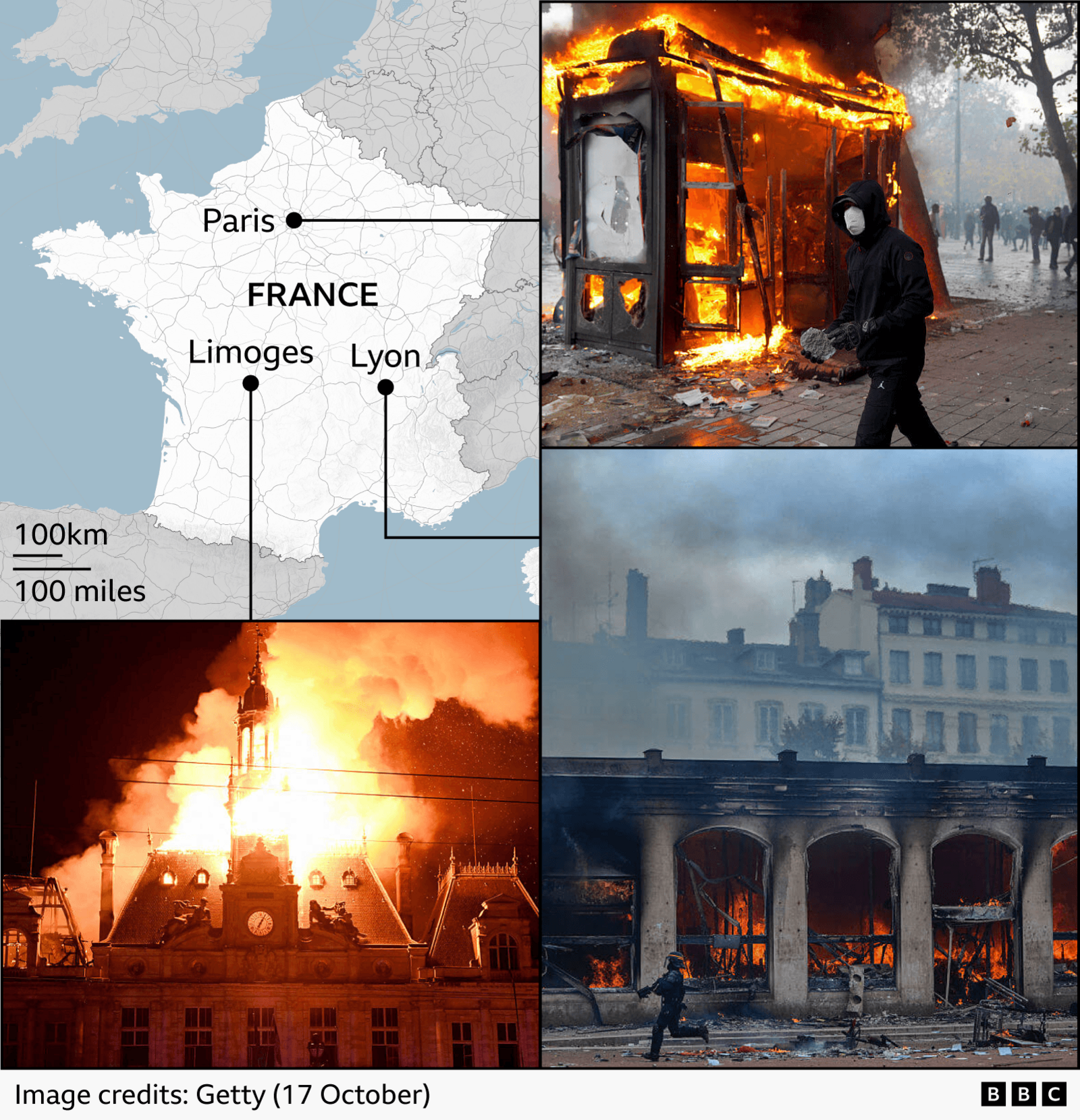
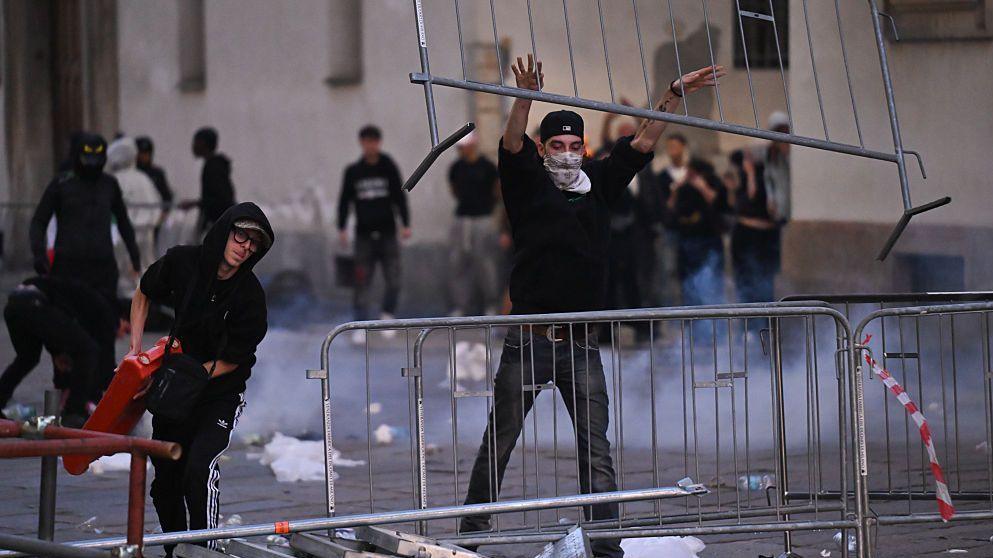
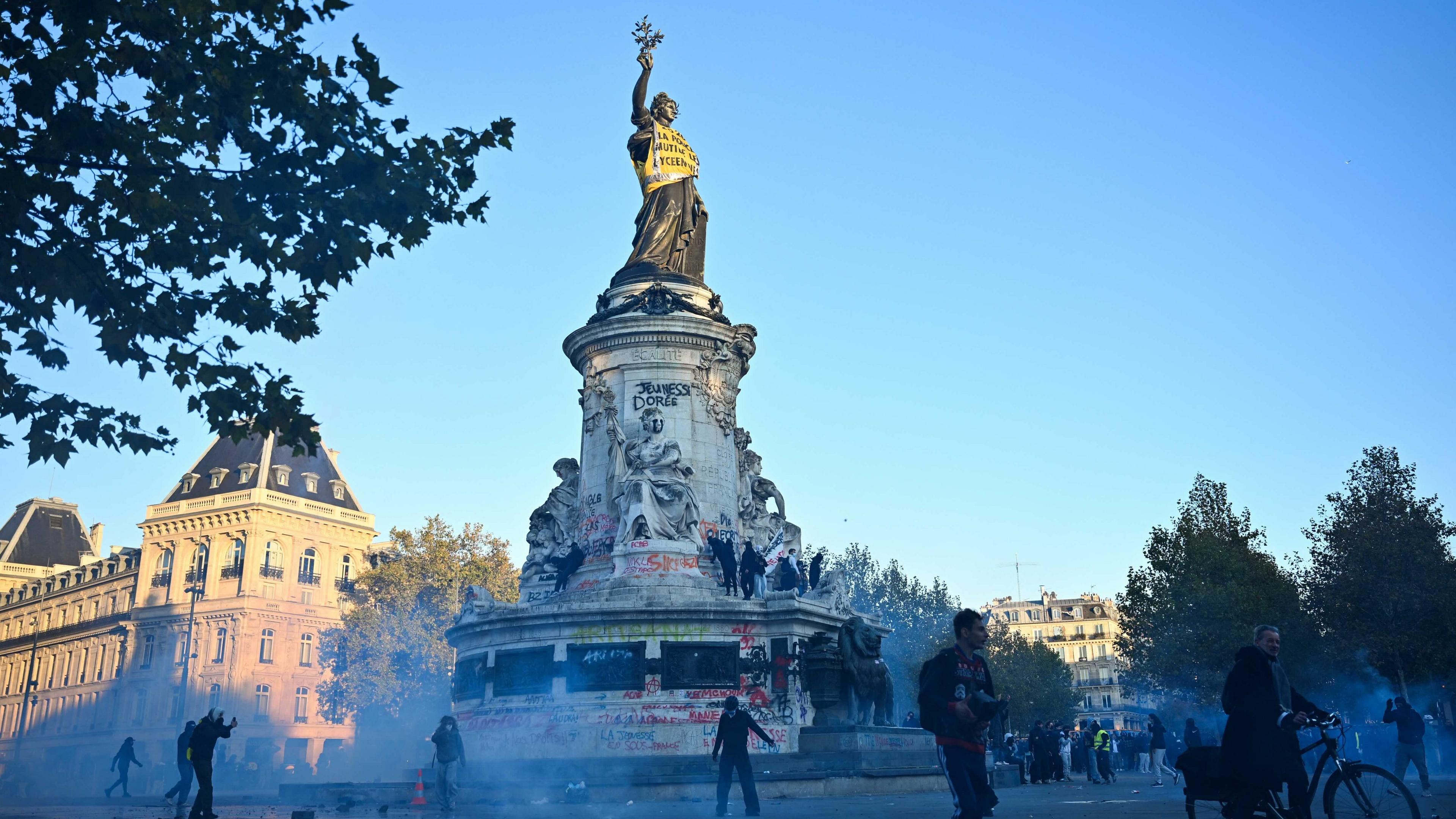
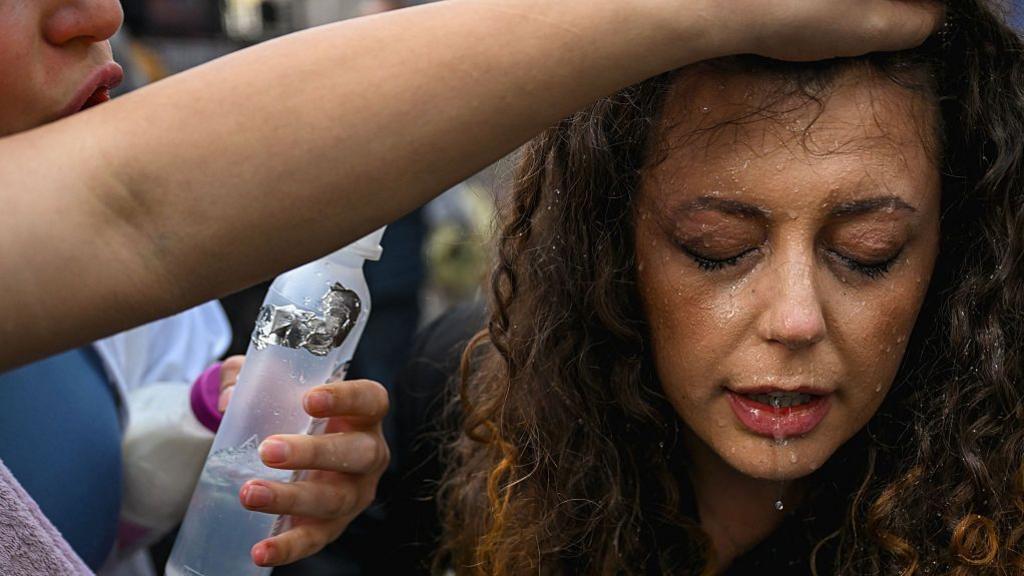
The streets of France are on fire – literally. Over the weekend, cities from Lyon to Marseille erupted in rioting, looting, and vandalism as demonstrators took to the streets.
The unrest springs from last month’s wave of student protests over school conditions but now stretches far beyond education. Protesters cite housing costs, policing practices, and a perceived drift away from social welfare as core grievances.
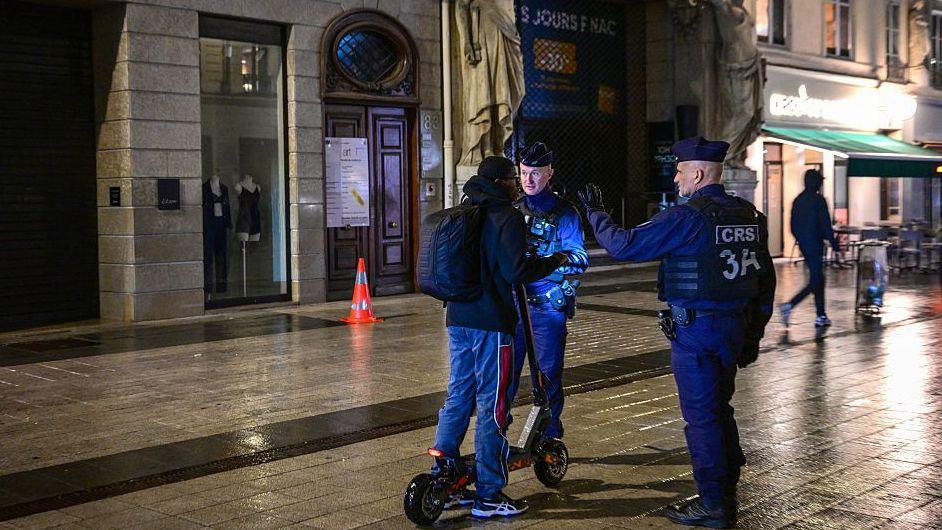
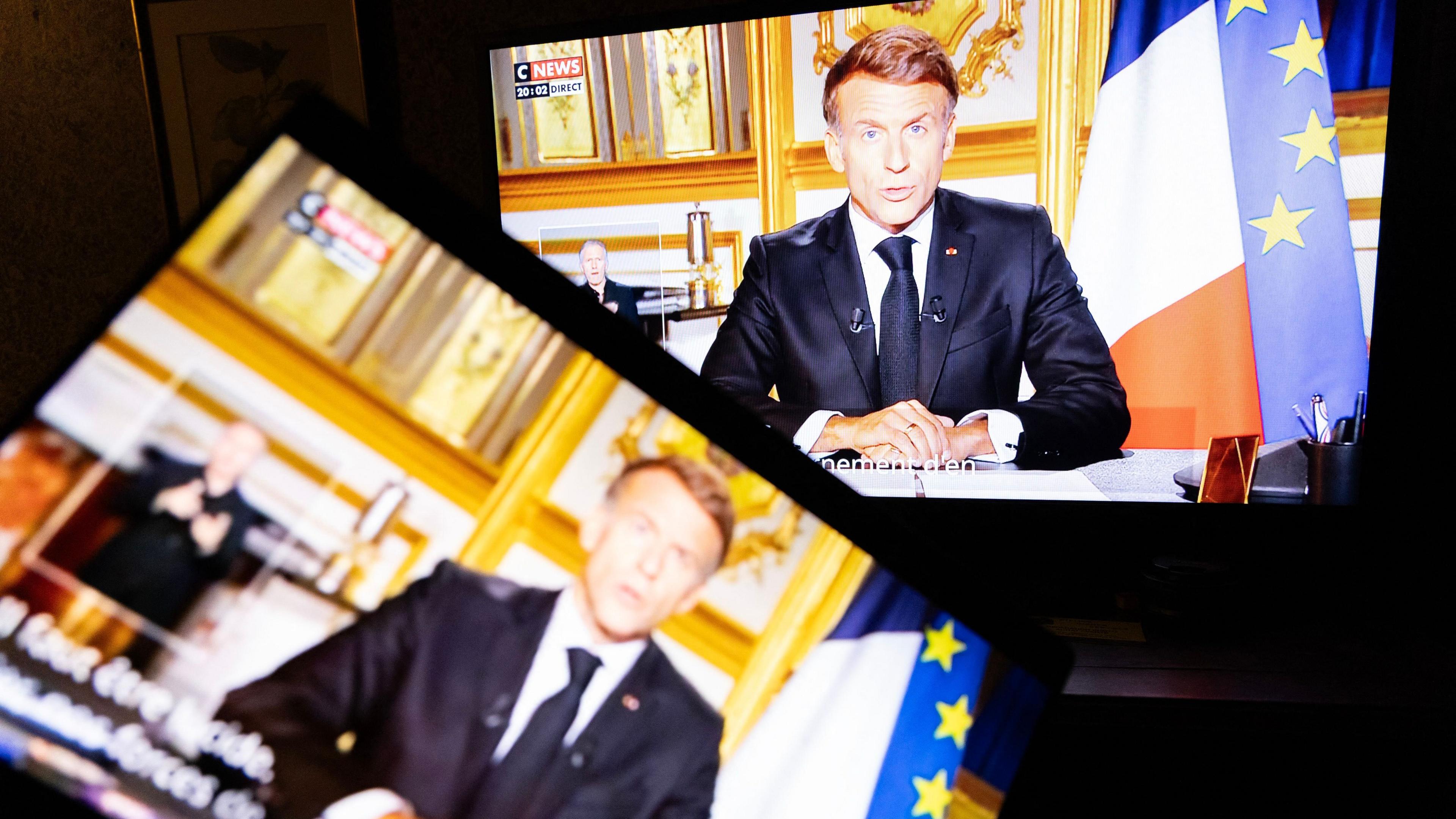
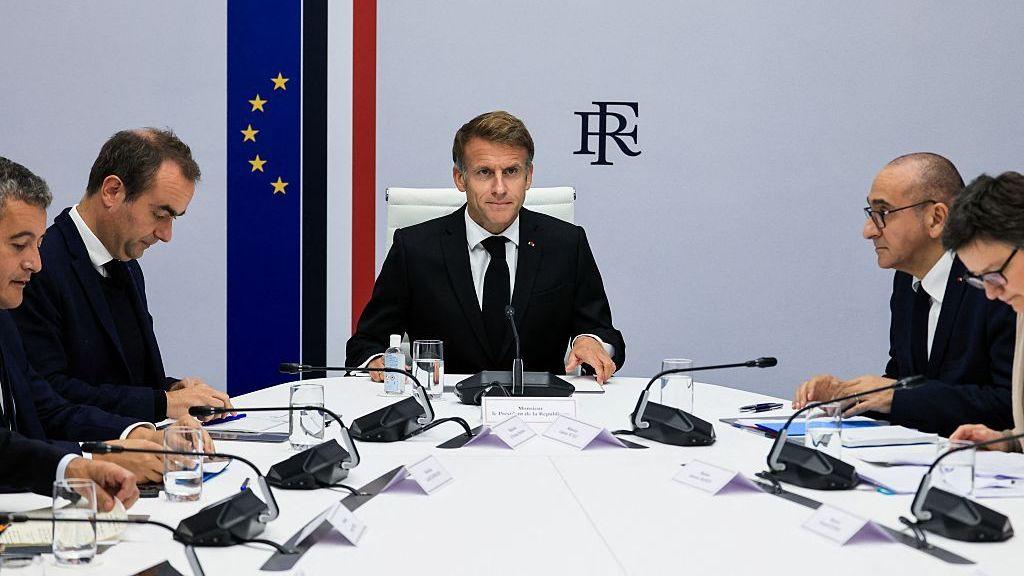
Prime Minister Sébastien Lecornu announced Monday that local authorities would be empowered to impose a partial curfew to contain violence and protect businesses. Yet the curfew has only slowed, not stopped, the surge of demonstrators.
Why this matters: With a national election looming, the government's calm‑down measures could be interpreted either as a sign of weak control or as a courageous stand for public safety – both narratives that politicians will lean heavily on.
- Political fallout: Hard‑liners accuse the administration of failing to address systemic inequality; moderates warn of an ideological crack.
- Industrial parks report disrupted deliveries, vendors fear revenue loss, and households face increased insecurity.
- Local NGOs call for dialogue while some citizens lobby for stricter law enforcement.
Analysts say the uprisings may force parties to pivot their platforms, potentially reshaping France’s policy landscape. The coming months will test whether the government can balance calm and conviction as it navigates an election environment fraught with uncertainty.