In brief
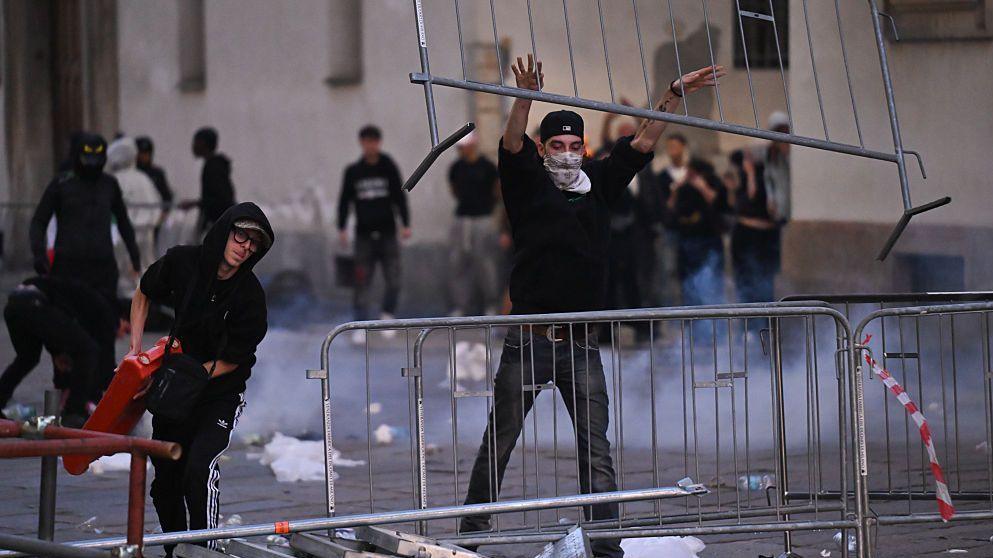
Over 5,000 protesters converged on Milan last weekend to demand lower living costs, but the demonstrations turned violent when armed minors and masked youths hurled stones, bins and chairs at police. Tear gas and water cannons were deployed, leading to 200 arrests—most of them minors. Prime Minister Giorgia Meloni called an emergency security brief, condemning the looting and urging political rivals to denounce the chaos, arguing that silence could embolden future violence. Riots spread to Turin and Bologna, while the mayor of Milan warned of an “international ripple” of disorder. The incident underscores growing frustration amid rising prices and may influence the next year’s elections.
The week‑long riot in Milan, triggered by protests over Italy’s spiralling cost of living, prompted Prime Minister Giorgia Meloni to convene an emergency security meeting with her cabinet.
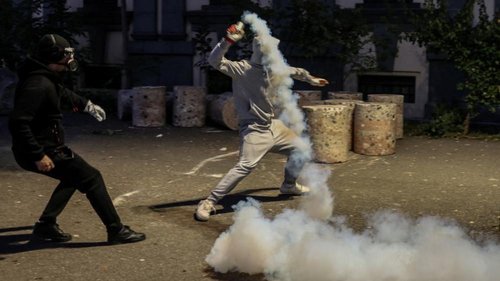
According to police, more than 5,000 people rallied on Saturday and Sunday. While the protests began peacefully, an increasing number of masked youths—many minors—instigated violence, throwing paving stones, bins and chairs at police. In response, forces deployed tear gas and water cannons, resulting in more than 200 arrests, 80 % of whom were under 18.
Meloni declared that the right to protest is essential but that “laying our cities to waste” is not. She accused the chaotic mobs of using demonstrations as a cover to spread “hooliganism” and called for a unified condemnation across the political spectrum, warning that any hesitation could legitimize further unrest.
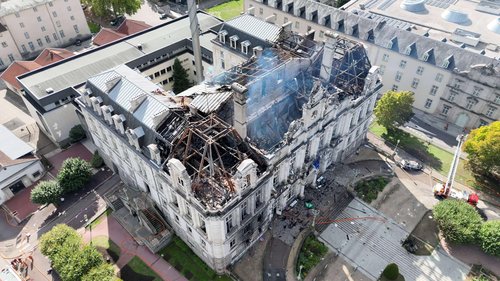
The unrest did not stay confined to Milan. In Turin, authorities detained several protestors carrying cobblestones and window‑breaking hammers, while a train station in Bologna was shut as a precaution after similar disturbances.
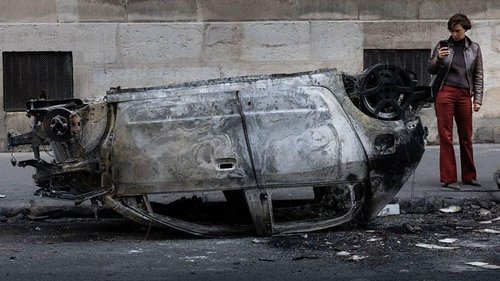
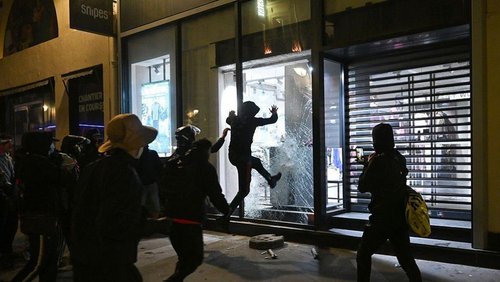
Mayor Giuseppe Sala described the scene as a “new phenomenon” that mirrors disorder seen in other European cities such as France and Spain. He cited smashed shop windows, looted stores and frightened citizens, noting that the problem appears fueled by an international surge in anti‑government sentiment.
Meloni’s call for immediate political unity comes as the nation heads toward next year’s general election, raising questions about how security concerns will shape policy and public trust in the coming years.