In brief
The streets of Tirana have become a battleground as masked student demonstrators confront riot police, marking the fifth day of escalating violence. The protests began in June and now demand the resignation of Prime Minister Edi Rama over corruption allegations. Police used water cannons, tear gas, and rubber bullets, while protestors armed with rocks and petrol bombs inflicted casualties and damage. Amid the turmoil, investigations into senior officials, including former secret service chief Vlora Hyseni, threaten to further destabilize Rama’s long‑standing rule.
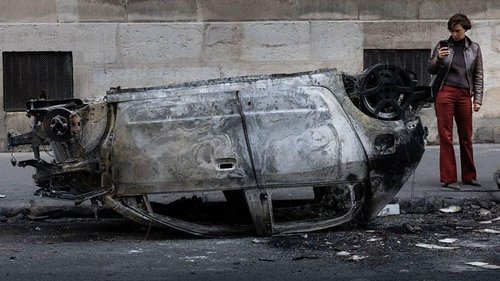
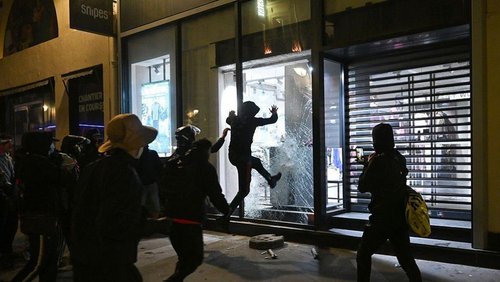
For the fifth consecutive day, masked student demonstrators have confronted riot police in the heart of Tirana, turning the city’s streets into battlegrounds.
The protests, which began in early June, have evolved into a national push for the resignation of Prime Minister Edi Rama, following widespread accusations of corruption linked to his administration.
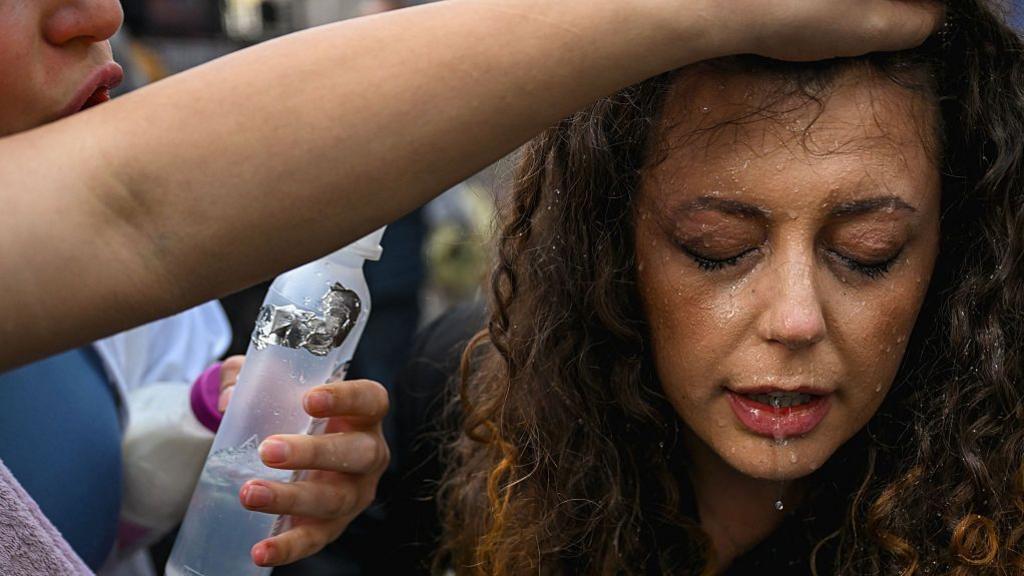
Police deployed water cannons, tear gas canisters and, for the first time, rubber bullets to quell the crowds, many of whom wore gas masks and carried saline eye washes to counteract the irritants.
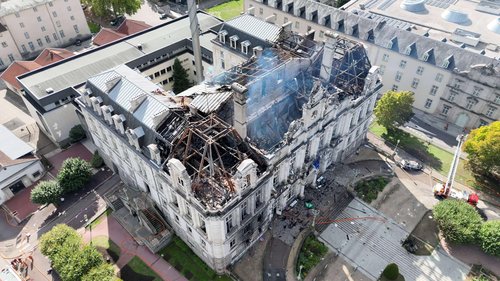
Central locations such as the education ministry and the prime minister’s office became flashpoints, where smoke from petrol bombs lit up the late afternoon and stone fragments lashed against police.
Students describe the clash as a radical departure from 135 days of earlier peaceful protests, saying the government’s refusal to engage has pushed them towards a stronger form of resistance.
Edi Rama, who has held office for 13 years, blamed opposition forces and unnamed foreign actors, insisting the unrest was organized for political gain.
Parallel to the street turmoil, a series of high‑profile investigations into government officials, including the arrest of former secret service chief Vlora Hyseni, threaten to further destabilize Rama’s tenure.
With the next parliamentary elections scheduled for 2029, the swell of student and youth activists indicates a growing appetite for systemic change that could reshape Albania’s future.