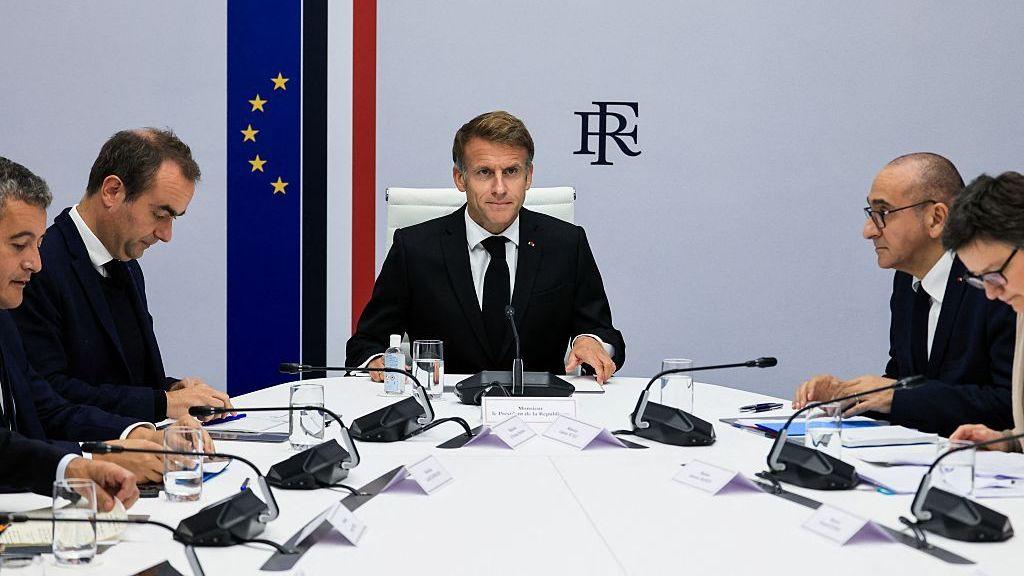
France’s Prime Minister Sébastien Lecornu convened an emergency cabinet on Monday morning to assess a weekend of widespread violence that turned a peaceful protest into a national crisis.
Interior Minister Laurent Nunez offered his resignation, but President Emmanuel Macron requested that he outline steps to secure streets and bring offenders to justice.
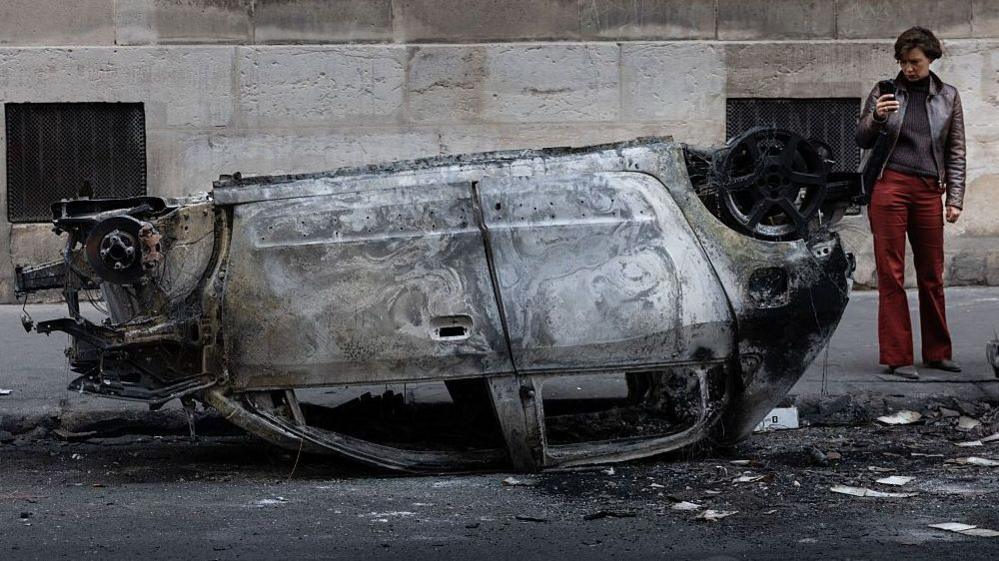
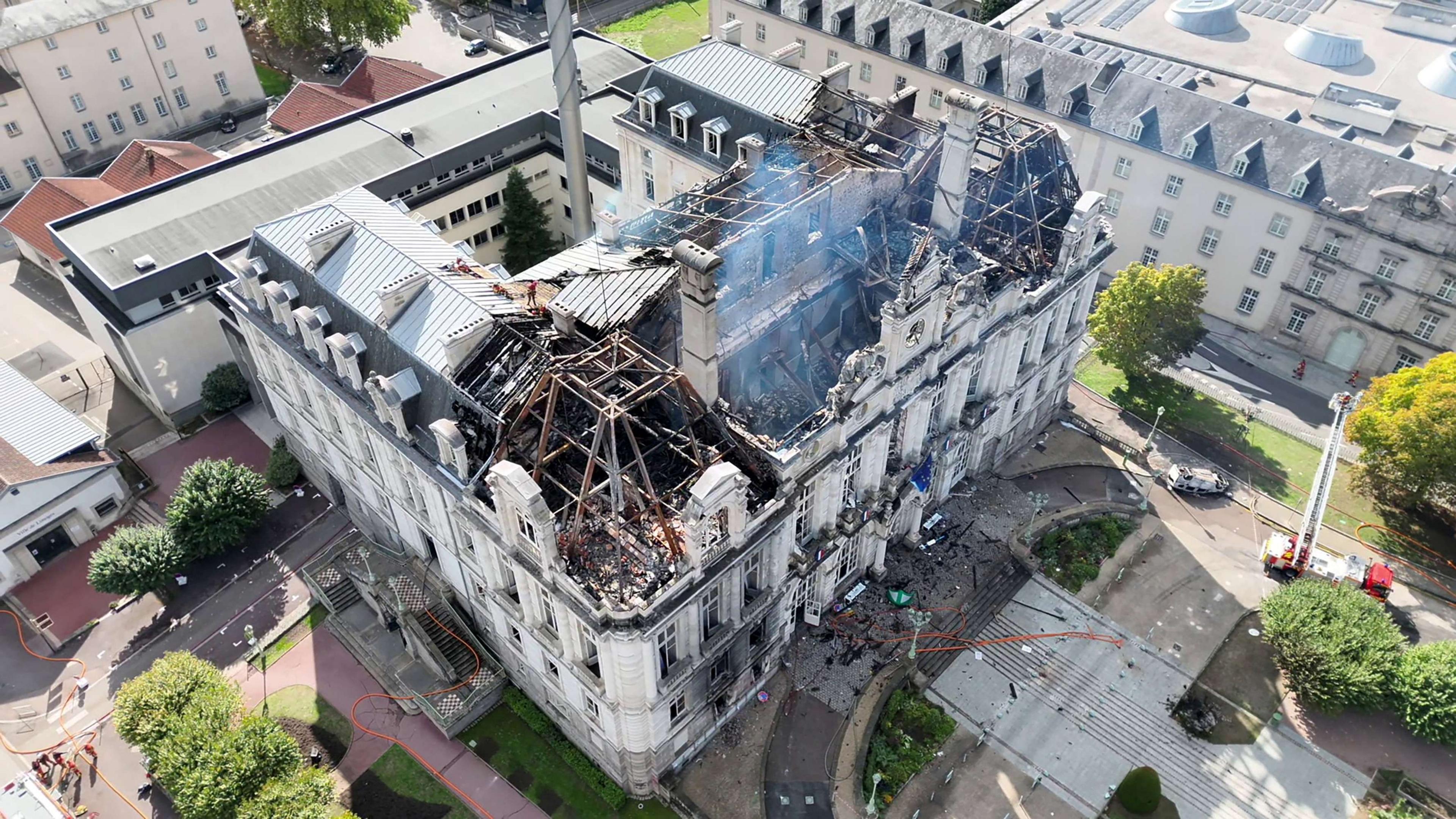
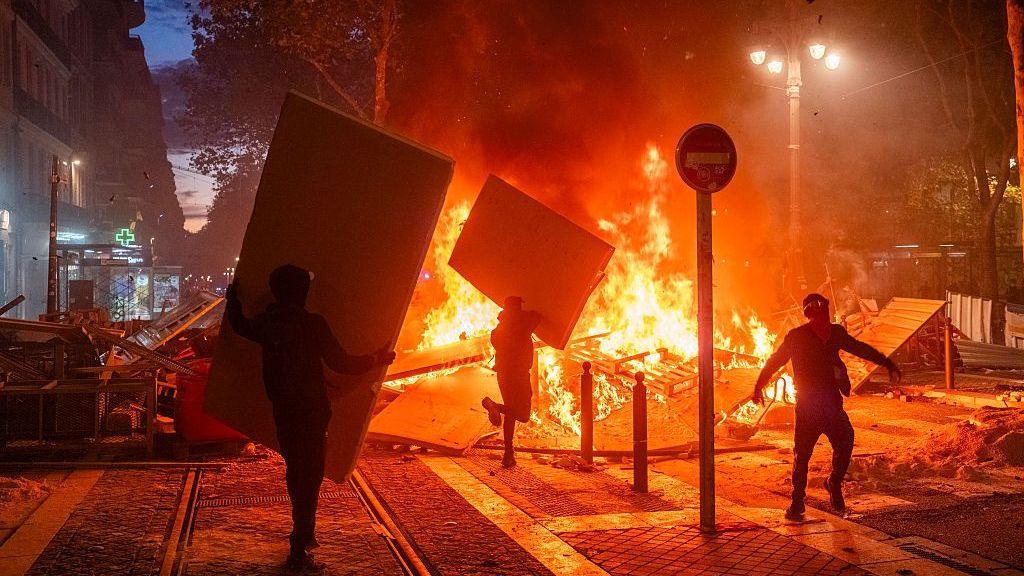
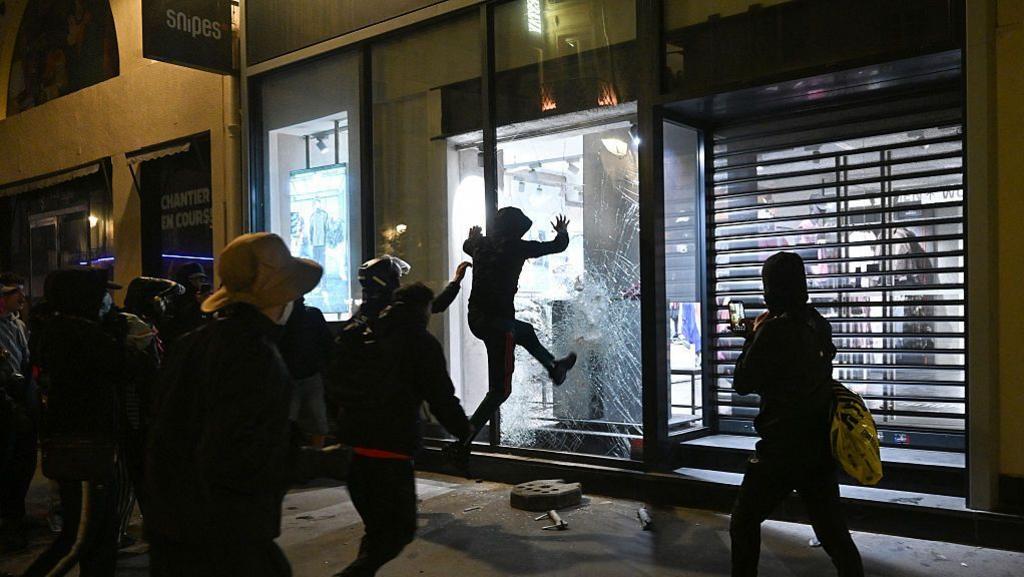
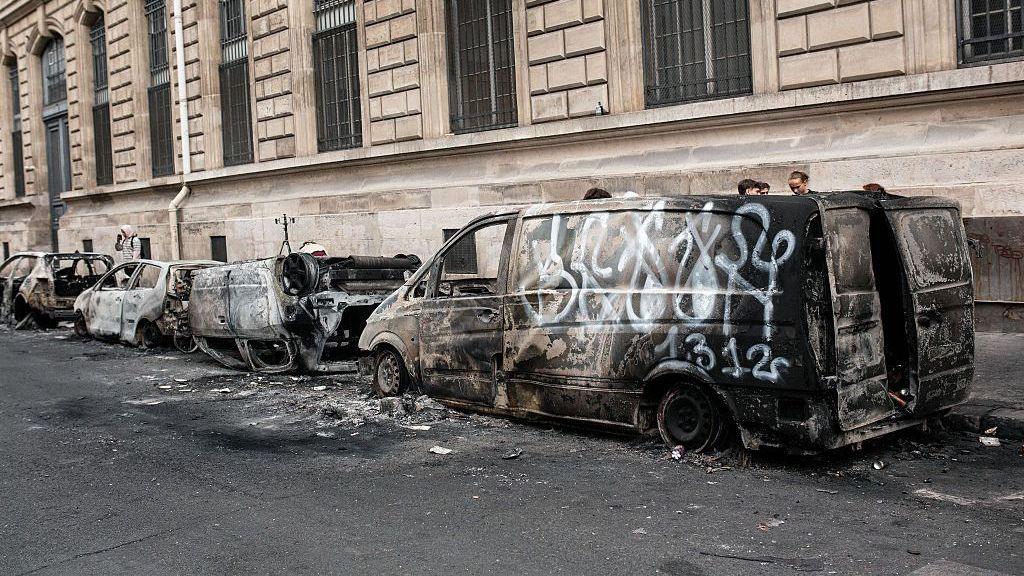
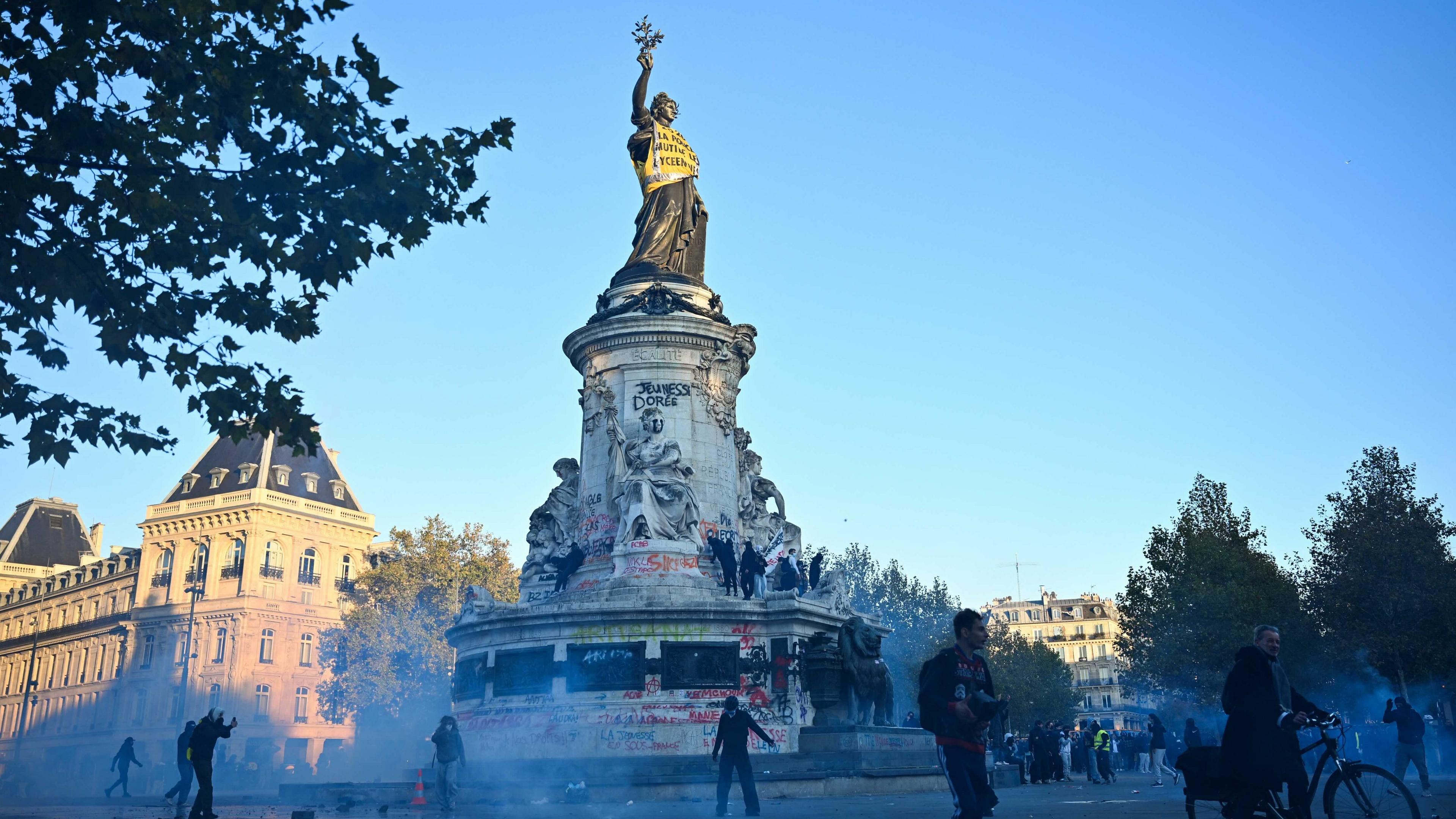
While more than half a million demonstrators rallied Saturday against rising living costs and dwindling public services, the protest escalated when black‑clad, masked activists turned the energy into looting and vandalism.
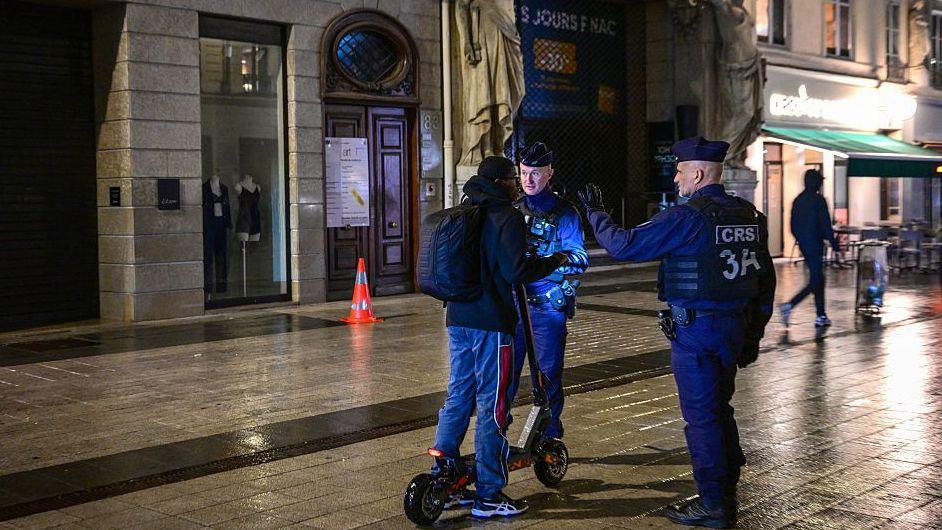
An estimated 1,500 shops were destroyed, riot police fired tear gas, used water cannons and, in some cases, batons. About 1,000 police officers sustained injuries – seven seriously – during the clashes.
Critics from political opponents, trade unions and social media accused Nunez of being ill‑prepared and under‑policed ahead of the scheduled demonstrations.
Yaël Braun‑Pivet, president of France’s lower house, announced an inquiry into the events, while Paris itself bore graffiti reading, “Things are dark in the City of Light.”
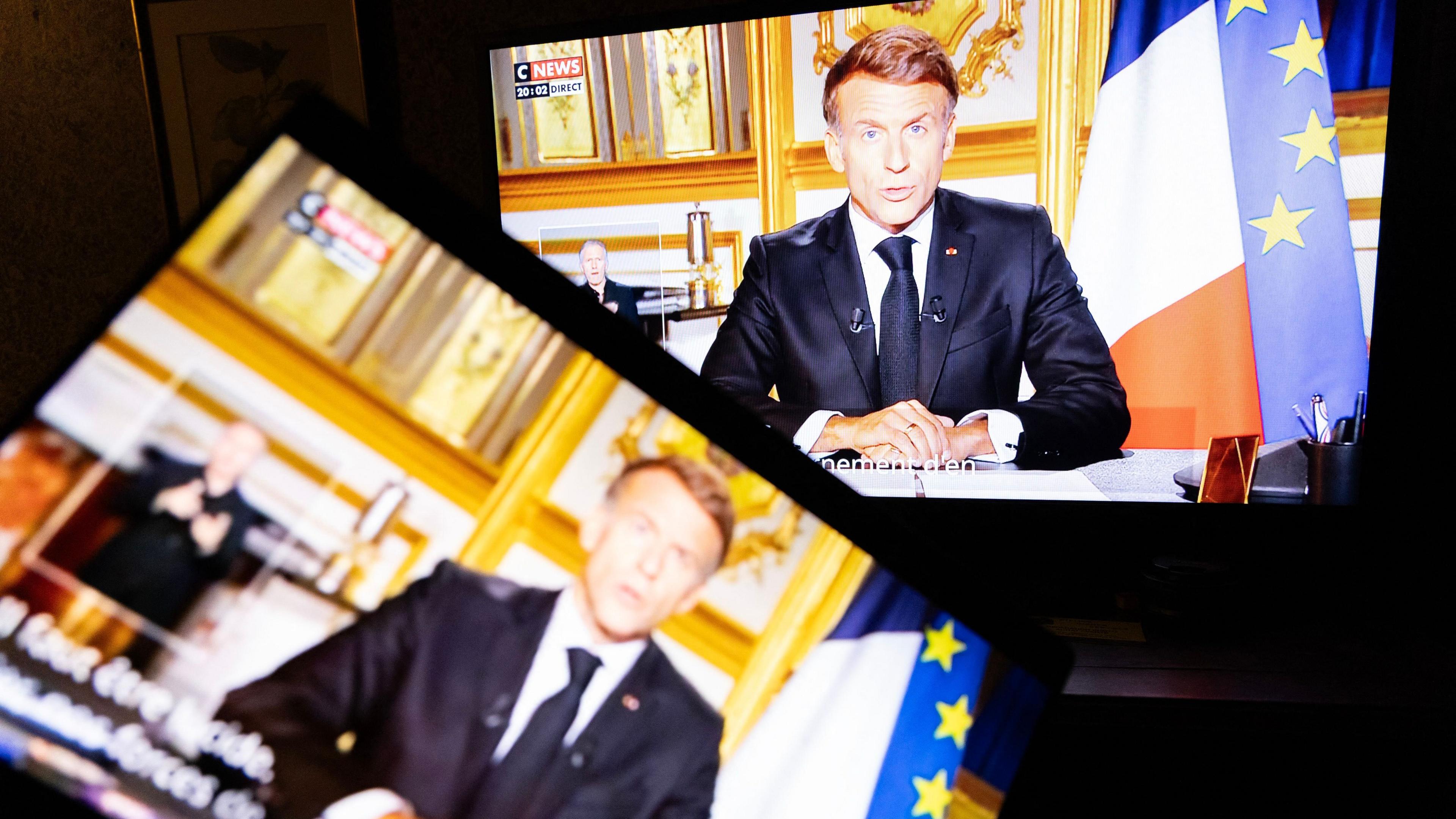
Word blurred around a potential curfew or state of emergency, but Macron’s televised address on Sunday simply called for unity and assured that perpetrators would be punished, a speech that was sharply criticised for being vague.
Key questions remain: How will rioters be held accountable? What safeguards will protect towns and cities for upcoming demonstrations? How will destroyed businesses be compensated? When will dialogue resume with student and teacher organisations over education—originally the spark for the protests?
Amid political turmoil, France’s leaders appear more focused on blame than solutions, as the country braces for a spring wave of protests and the July presidential election that could reshape the political landscape.