In brief
On Monday the Azerbaijani Ministry of Education began enforcing a new uniform policy that excludes girls wearing headscarves, sparking unprecedented street demonstrations in Baku and several southern districts. While the government frames the law as a keepsake of secularism, critics claim it suppresses religious freedom. The move has provoked diplomatic backlash from Turkey, with Ankara’s politicians and Islamist groups voicing strong opposition. Underlying the dispute are Azerbaijan’s tight security stance, its strategic ties to Israel and Iran, and a broader struggle to balance domestic policy with regional alliances. As protests continue, authorities have detained activists, and internet restrictions have tightened, raising concerns about civil liberties in the oil‑rich republic.
Azerbaijan’s new school uniform rule has sparked a rare wave of protests and diplomatic tension with Turkey.
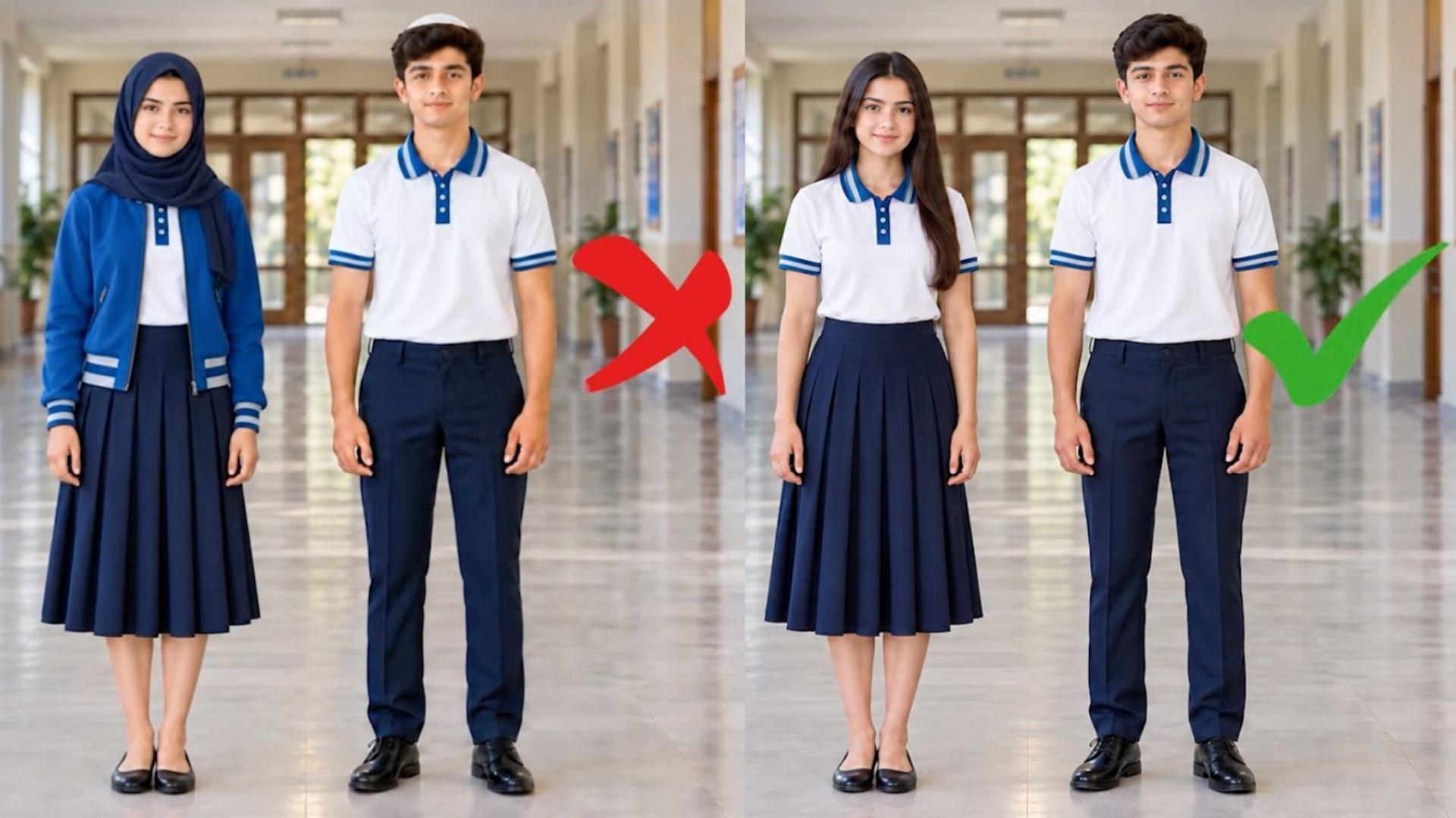
On Monday, the Ministry of Education began enforcing a policy that effectively bars girls wearing headscarves from attending state schools. The rules, approved by parliament on 21 September, prohibit “clothing which contradicts the principle of secularism in education” even though they do not mention the hijab by name. In practice, this means pupils who wear Islamic headscarves are turned away at school gates.
The first sign of dissent came when a teenage girl in Baku was filmed challenging a staff member who demanded she remove her navy‑blue hijab. Her exclamation, “You are telling me I can’t go to school?” was shared widely on social media, inspiring a small but vocal crowd of girls to cry out, “Why should I give up my religion?” and “The hijab does not stop education.”
Protests broke out across Baku and spread to southern districts such as Masally and Jalilabad, a region bordered by Iran. The demonstrations are unusual in a country that is constitutionally secular and where the government—led by President Ilham Aliyev since 2003—has little tolerance for dissent. The Interior Ministry said that 37 people were detained on Monday for attempting to block the enforcement of the rules, and later it added “grossly violating public order.”
The unrest has also drawn attention from Turkey. Ankara’s President Recep Tayyip Erdoğan, a devout Muslim, has advocated creating a “pious generation,” and his adviser Oktay Saral has labelled the ban as “unacceptable.” Turkish lawmakers and Islamist groups staged small demonstrations outside the Azerbaijani embassy in Ankara and the consulate in Istanbul, accusing the Baku government of violating its secular tradition. Critics argue that the new rules may stem from Azerbaijan’s close ties with Israel, but the state has tried to keep diplomatic balance with both Israel and Iran, its larger regional neighbour.
Within Azerbaijan, the protests have touched on deeper anxieties about religious influence from neighboring Iran, home to a larger Azerbaijani population. In the days following the ban, authorities reported a cyber‑attack on over 100 state websites, allegedly from a pro‑Iranian group called the 313 Team. The incident added to public fears that outside interference might seek to destabilise the nation’s fragile balance of power.
Azerbaijani activists have been targeted in the wake of the protests. Shahiza Huseynova, a mother who joined demonstrators in the Mashtaga district, was warned to remove her child’s hijab or face prison and was later detained. Meanwhile, activist Ilkin Huseynov, who launched an online initiative providing free lessons to barred students, vanished with his phone turned off. His followers say he has been detained, and the platform’s Instagram account has gone dark.
The Ministry of Education says that children do not choose to wear hijabs; instead, families are influenced by tradition. However, the policy drags students, teachers, and parents into a struggle over identity, faith, and the definition of secular education. Until the debate is resolved, the country faces a risk of further unrest, strained diplomatic ties, and heightened scrutiny of dissent. The situation remains fluid, with activists continuing to mobilise while authorities clamp down on opposition.