Emergency Rule in Imran Khan’s Khyber Pakhtunkhwa Sparks Fear of Backlash
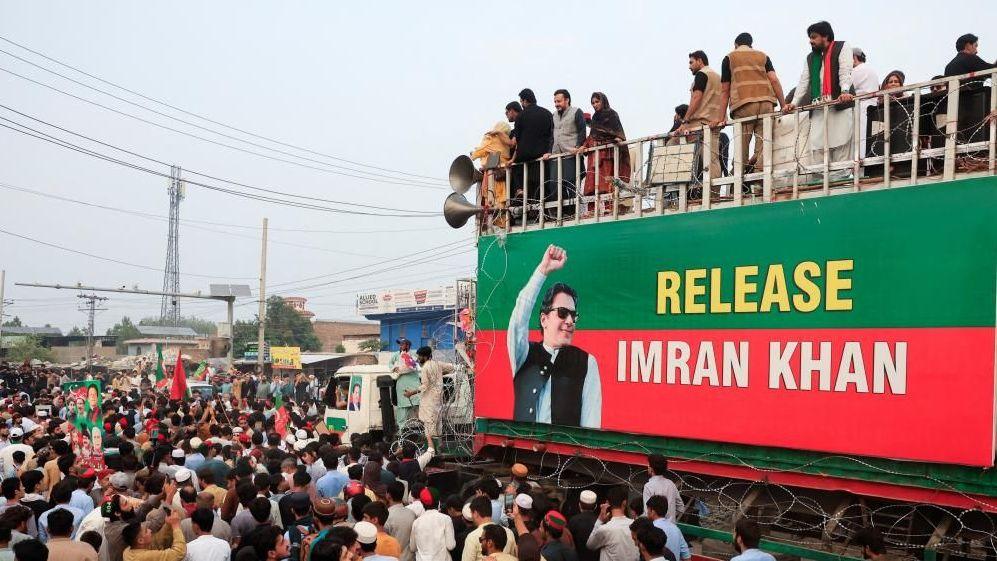
On Sunday the federal government declared a state of emergency in Khyber Pakhtunkhwa, suspending the province’s elected administration and bringing the army into daily governance. The move followed weeks of violent marches by supporters of the Pakistan Tehreek‑e‑Insaf (PTI) who demanded the release of their leader, former prime minister Imran Khan, who has been languishing in jail since August 2023.
The main justification offered by the federal government is the need to protect the province from a “terror” threat. Information minister Attah Tarar said the PTI capitalised on extremist elements, though he offered no proof and promised a forthcoming explanation. Within two days schools had reopened and internet services were partially restored, signalling a swift withdrawal of hard‑line measures.
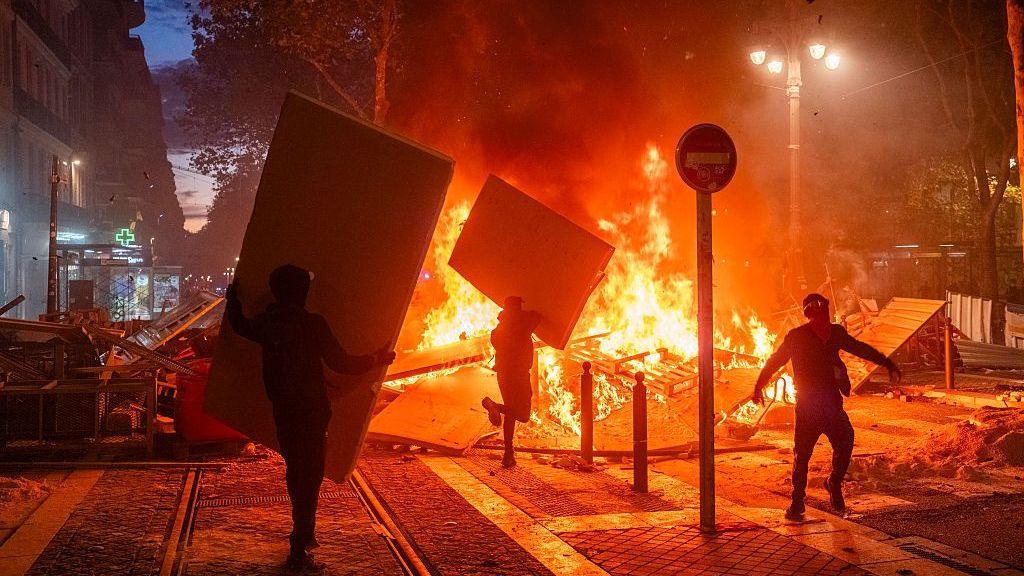
Supporters of Khan continued to protest in cities like Peshawar and Bara, with police spraying tear gas and traffic obstructed by large shipping containers. The PTI’s provincial leaders have gone into hiding, and the chief minister, Sohail Afridi, is reportedly in protective custody – his party claims he has been arrested, while the government denies it.
Political analysts view the emergency as a pretext to silence a waning but still vocal opposition. The PTI had ruled the province for thirteen years, but its influence has waned since Khan’s imprisonment. Military insiders, including analysts from the Atlantic Council, say the coup‑style takeover signals a shift of power to the armed forces. They fear the lack of space for dissent could force the military to confront a mounted resistance that would further destabilise the country.
The timing of the emergency, arriving just as mass demonstrations were turning into a “last straw”, is seen by some as an engineered attempt to cut off political pressure. The divisive move risks provoking widespread backlash among a populace that has already endured a long-running conflict between federal and provincial authorities and an important rise in militant activity.
In a country that has repeatedly faced its share of insurgency, cross‑border skirmishes and tension with India, a government that vacates provincial autonomy could deepen uncertainty. Experts warn that the emergency could invite stronger military intervention in civilian affairs, trigger intensified protests, and ultimately erode public trust in the state’s institutions. The decision may have been made with the idea of neutralising a single threat, but the broader ramifications are likely to weigh heavily on Pakistan’s quest for long‑term stability.