In brief
In eastern Donbas, Ukraine’s Operation Vivaldi reclaimed 277 square kilometres and pushed Russian forces back after three months of artillery and drone assaults. Ukrainian units relied on a network of Starlink satellites to coordinate strikes, but a sudden US‑issued restriction left soldiers uncertain about future communications. Russian drones still saturate the zone, forcing Ukrainian pilots to use nets and explosive drones to silence spotters. Despite political tensions between Washington and Kyiv, morale among frontline troops remains high, as officers recount how digital connectivity has turned the tide in their favor.
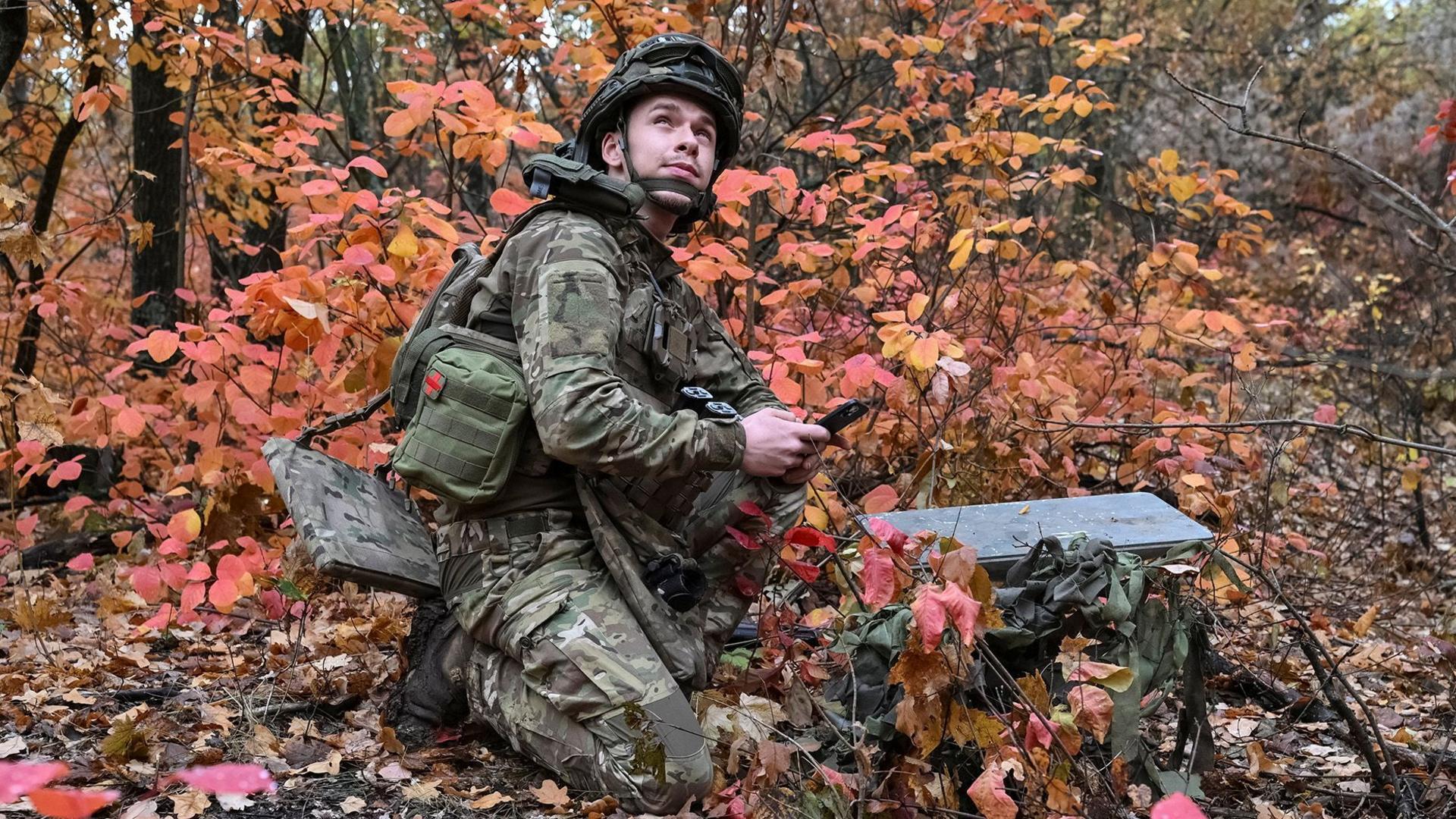
As a small drone swerved across the bunker screen, commander Torres rushed to call in a fighter drone to intercept it. The instant that night, a net‑dropping UAV descended and seized the intruder, preventing a potential strike on Soviet‑controlled trenches.
Three months of painstaking rehearsal and re‑training marked the start of Operation Vivaldi, the third phase of the Ukrainian counter‑offensive in the Donbas. Combined artillery bursts and the rapid deployment of unmanned ground vehicles seized 277 sq km of Russian‑occupied land, breaking the pincer that could have encircled key fortress belt cities.
The battle is fought in a layered digital arena. At the top, commanders receive live feeds via a Starlink satellite network—now rebranded Starshield for military use. Below, attack UAVs zero in on Russian reconnaissance and, when detected, trigger explosive drones that carry the blame to the enemy’s pockets.
Just as the offensive climaxed, Kyiv announced that the satellite link had been restricted without prior warning. Elon Musk’s Starlink has been the backbone of Ukrainian battlefield communications, feeding everything from drone command to artillery targeting. Reports hint that the US White House may have ordered the cut, leaving Ukraine uncertain about its ability to sustain the advantage.
Soldier call‑sign Dealer of the Revenge Brigade’s Silver Trinity unit reports that “over three months we moved positions four times” and that the most terrifying threat remains the relentless swarm of Russian drones. Phoenix, the unit’s commander, notes that the unit’s transformation from defender to attacker required “enormous” preparation.
In the village of Karpivka, the only resident left after months of occupation, 61‑year‑old Volodymyr Zamota reflected on the devastation: “I would like to know when this ends.” He represents the civilian cost of the digital war that is now undergirded by satellites and drones.
Despite strained US‑Ukrainian relations—Zelensky’s recent declaration of feeling “betrayed” by former US President Trump’s remarks—the soldiers on the front keep a hopeful outlook. Dealer told the reporter that Operation Vivaldi had rekindled his belief that Ukraine can win the war. Drone crews also supply food parcels and supplies to the troops, turning the remote side of the battlefield into a living, breathing network.
As the front line stabilizes, the analysis from military experts highlights that the ceiling of aerial superiority barges ahead: every net that covers a road or a trench is a barrier that protects the Ukrainian forces from the wave of Russian drones. With the digital backbone under scrutiny, the next pivot in the conflict will likely be political as much as tactical, as Washington weighs the costs and benefits of blanket restrictions on critical technology.