Rising Threats: Hits and Gestures Leave Australian Politicians on Edge

Australia has long prided itself on peaceful politics, but a sharp uptick in violent rhetoric and threats against elected officials may be catching up with the country. Recent safety reports show that MPs and public figures are no longer considered immune to intimidation.
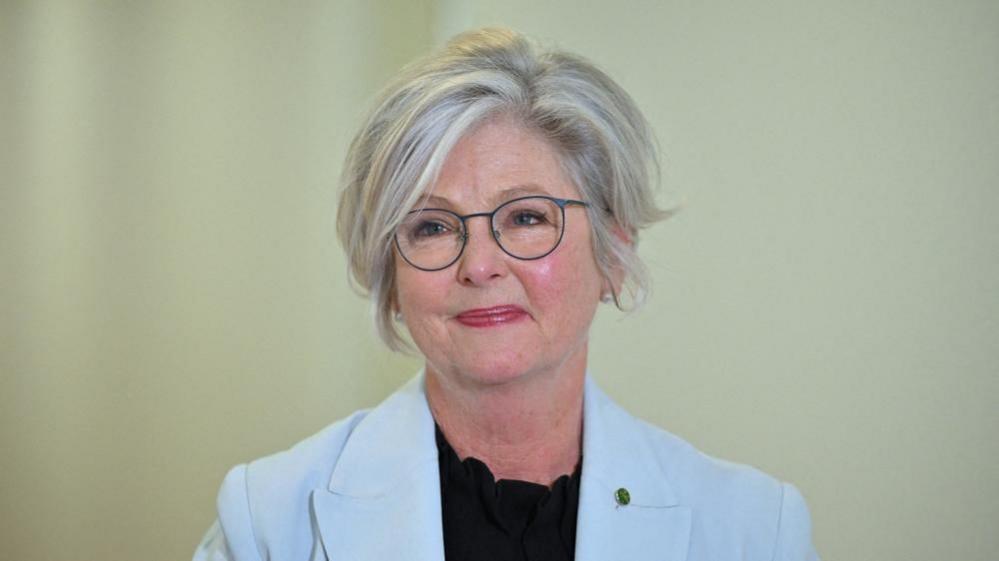
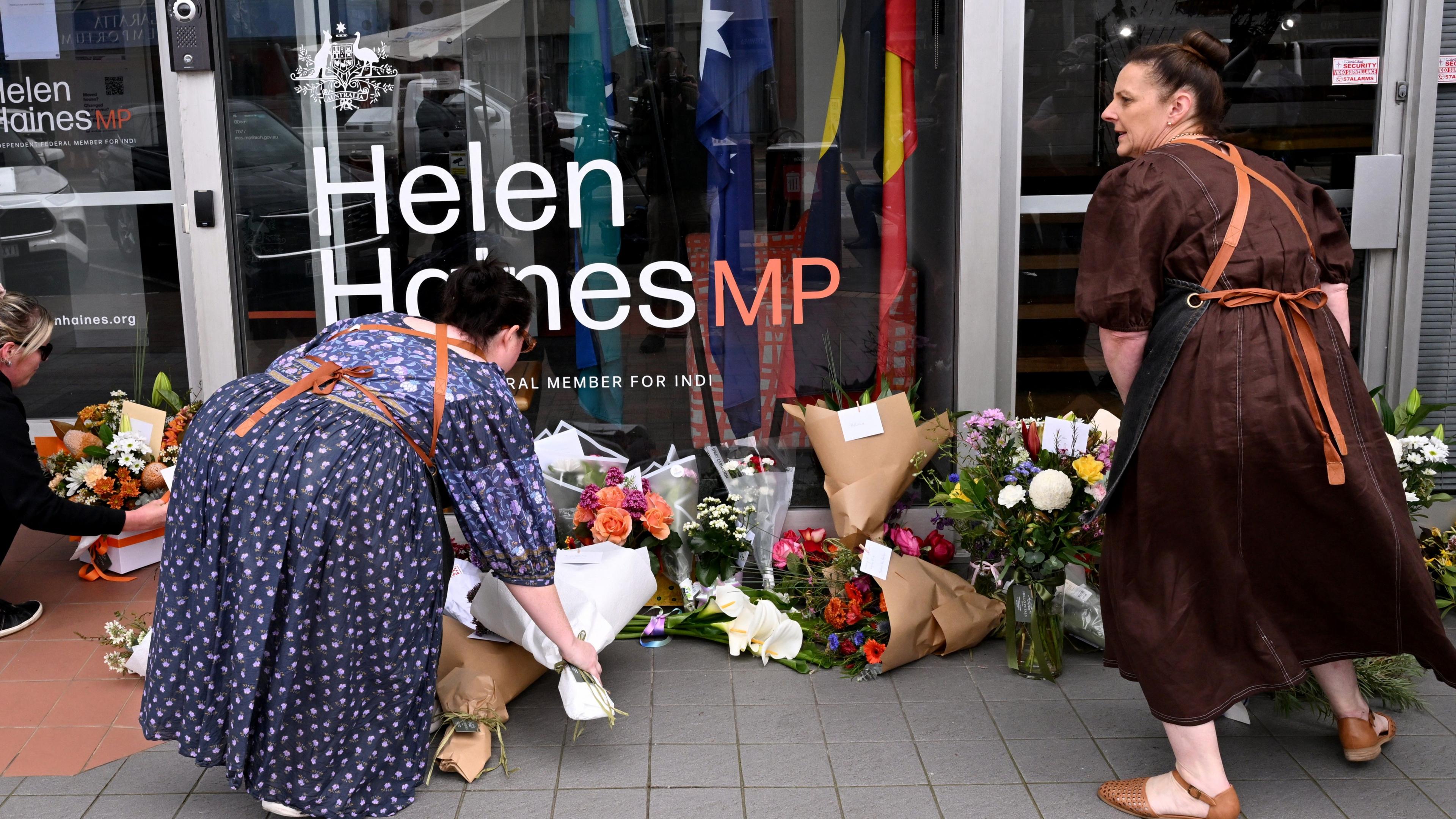
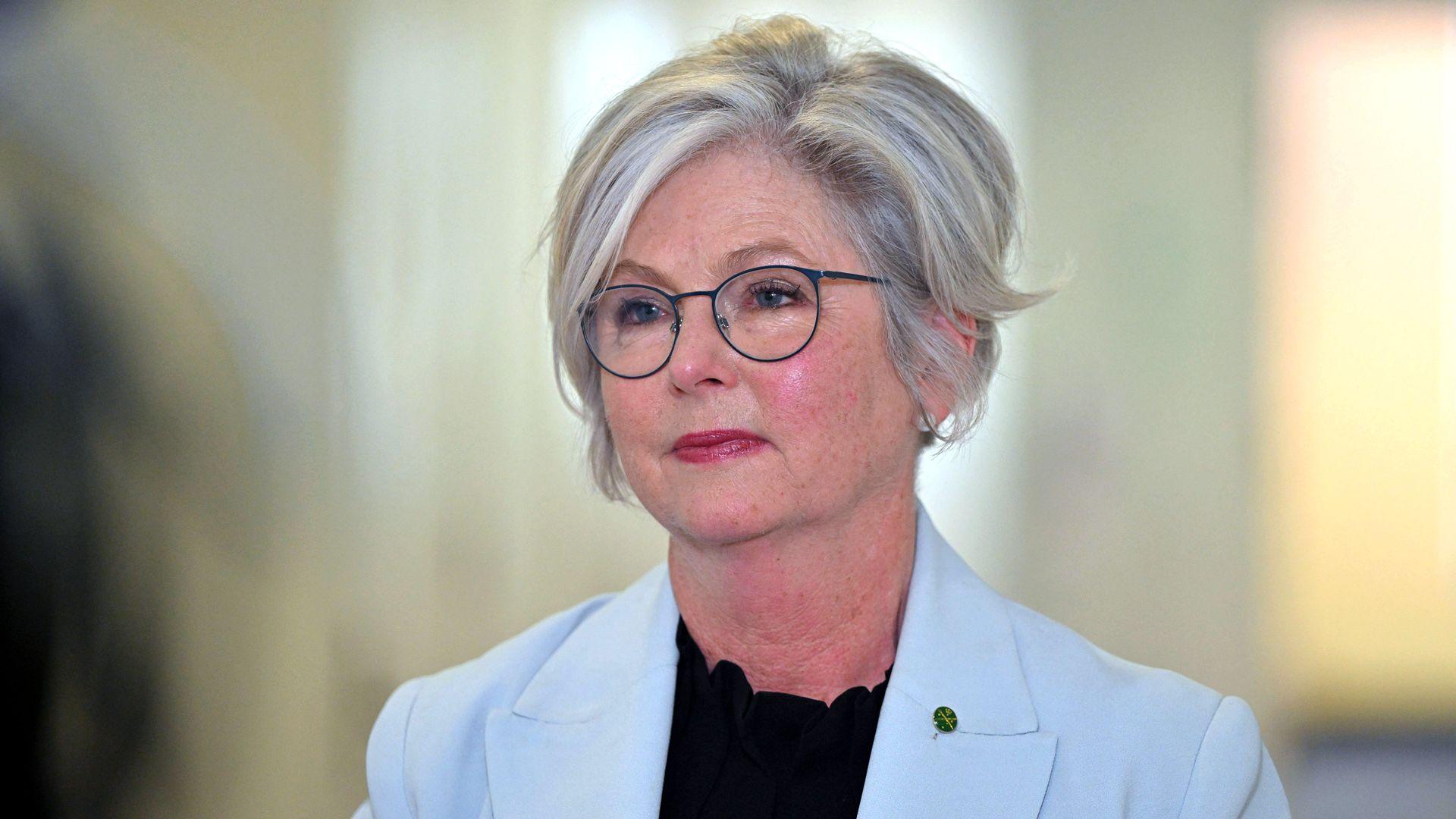
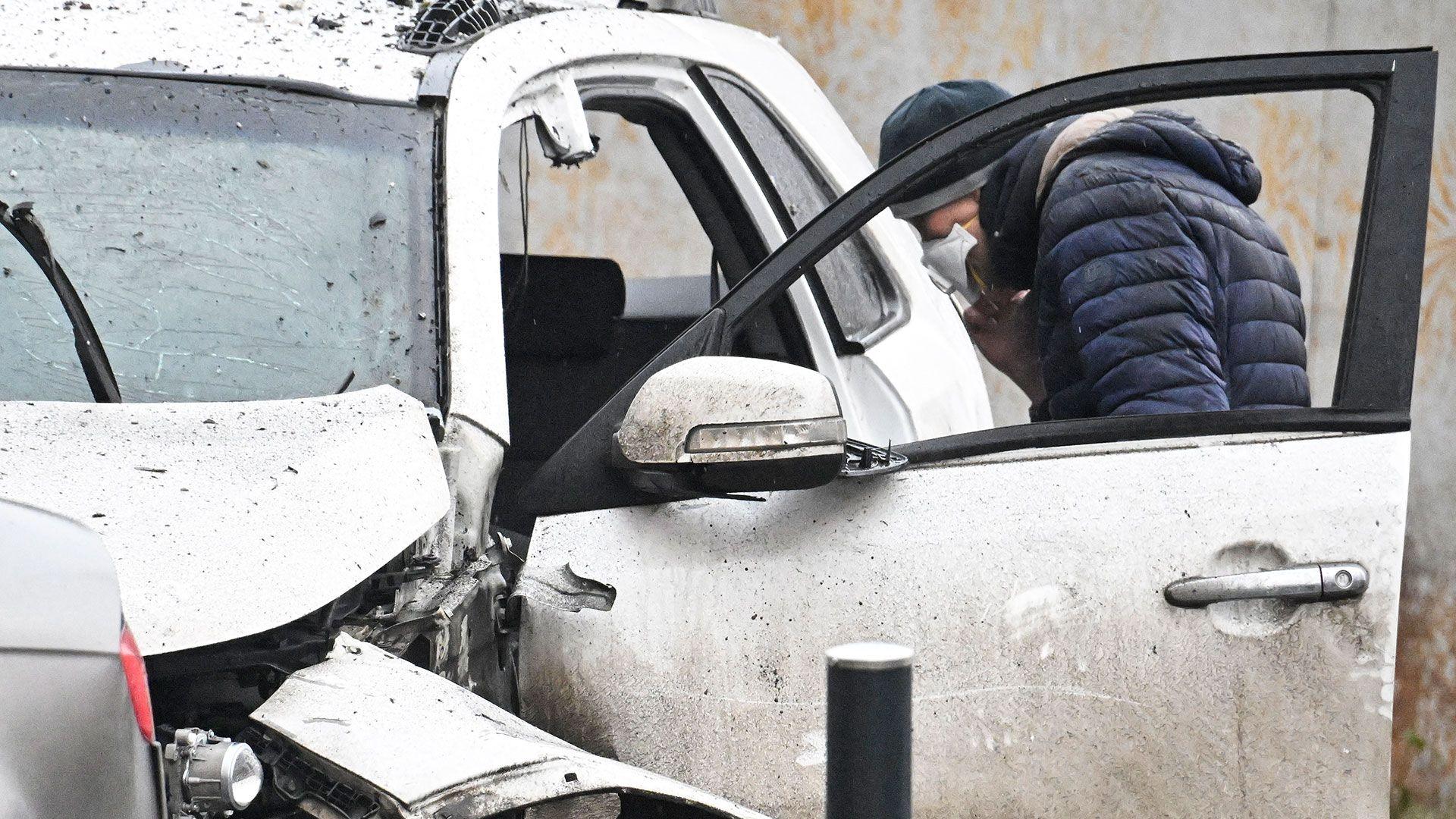
Late Monday, Independent MP Helen Haines was hit by a vehicle outside her Wangaratta office. Police arrested a 43‑year‑old man on scene and retrieved a knife, but authorities have not yet ruled out deliberate intent. Prime Minister Anthony Albanese, however, has already called the incident an apparent attack and urged that it be treated with the seriousness it deserves.
Earlier this year Albanese himself was evacuated from his official residence following a bomb threat, and it is now documented that at least 20 cases of violent threats against him are pending in courts across the nation. The situation signals a deeper shift in public discontent, especially as the country grapples with socioeconomic strain, increasing mental health suffering, and a social media environment that is increasingly toxic.
Experts like Josh Roose of Deakin University warn that, beyond ideological motives, grievances are increasingly radicalising individuals. The trend, he says, has accelerated since the pandemic, and the rise in violence extends beyond politicians to journalists, academics and court officials. Societal calls for tighter security protocols and better support for public servants have intensified, while politicians themselves are confronting a regime where public openness might now be a liability rather than an asset.
As the inquiry continues, the whole political establishment must confront the reality that the culture of personal safety and open engagement, a cornerstone of Australian democracy, is at risk. The coming weeks will test whether security reforms can keep pace with the escalated threat landscape that is now part of everyday political life.