Bad Light Overrules New Pink‑Ball Rule at Durban Test
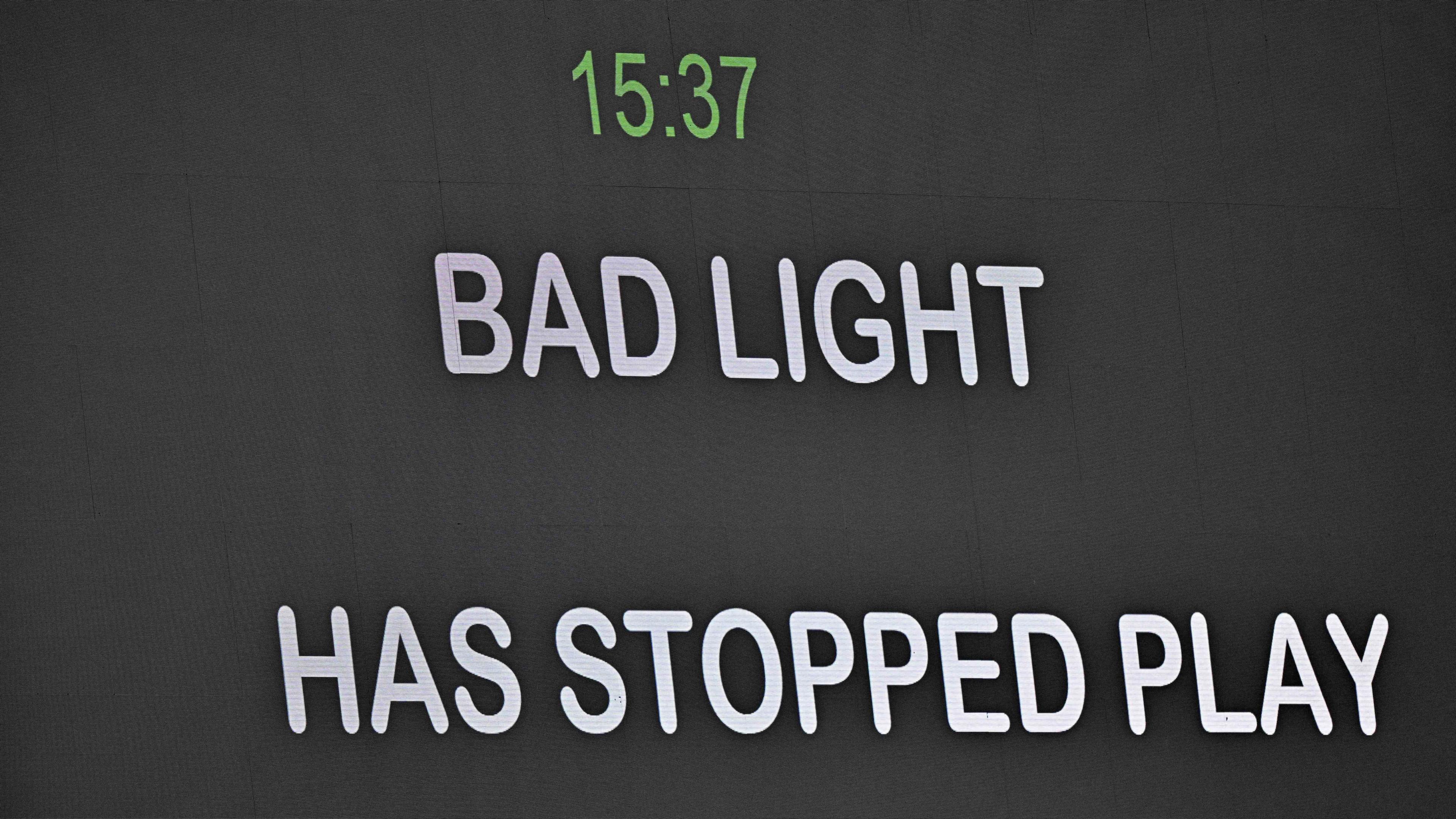
One of cricket’s most dreaded variables—darkening skies—has thrown off more than 60 overs in the first three days of the Australia‑South Africa Test in Durban.
Despite ICC’s recent amendment allowing the pink ball to be used from day one if poor light is anticipated, the teams did not agree to switch from the traditional red ball, meaning the game was forced to stop whenever the light fell short of safety.
Day‑one play was halted at 15:23 local time, with only 65.2 of the scheduled 90 overs bowled; days two and three finished just before 17:00 for similar reasons, leaving Australian batsmen stranded halfway through their innings.
The pattern is typical of Durban’s climate: a hot morning sun that cools into a muggy sea breeze, increasing humidity and pushing low clouds over the pitch by mid‑afternoon.

The ICC’s rule, designed to give teams a pre‑match option to play with the pink ball if light is expected to deteriorate, preserved the integrity of the game by preventing mid‑match swaps that could unfairly alter conditions.
The pink ball tends to move more, it’s harder to pick up at twilight—players still sometimes blame it for wobble or slow down—yet it stays the size of a regular ball and sits in the centre of the field—so using it from the start adds fairness, says former South Africa bowler Shaun Pollock.
Conversely, Australian pacer Mitchell Starc, the leading wicket‑taker in day‑night Tests, has praised the pink ball for adding a fresh dimension, while opponents worry about a potential advantage for the side that has to bat first in the day‑night set‑up.
If the ICC pushes a blanket use of the pink ball in all Tests where bad light is possible, the debate will shift from weather complaints to questions of competitive balance and the very nature of the Test format.