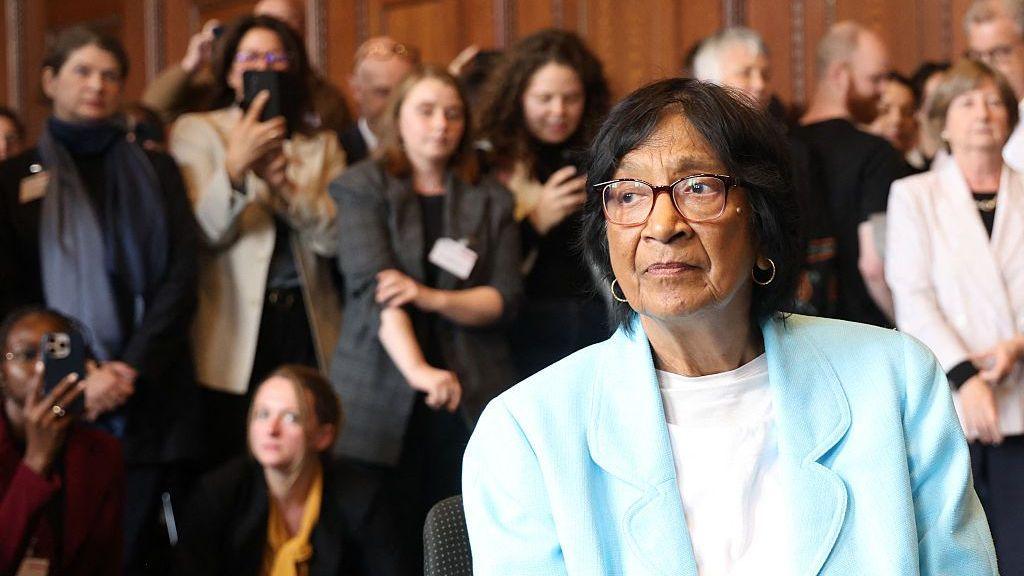
Former United Nations human‑rights chief Navanethem "Navi" Pillay has been named the 2026 Nobel Peace Prize laureate. The 85‑year‑old South African judge was honoured for her decades‑long work advancing international law and safeguarding human rights around the globe.
Pillay began her legal career in apartheid South Africa, becoming the first woman to establish a law practice in the Natal Province in 1967 and the first non‑white woman appointed to the High Court. She later served on the International Criminal Tribunal for Rwanda, including a four‑year term as president, and chaired the UN Independent International Commission of Inquiry into the Occupied Palestinian Territory, where the commission alleged genocide by Israel in Gaza.
The Nobel Committee lauded her “commitment to universal legal principles and her firm moral compass,” adding that her efforts “paved the way for a more comprehensive global legal order.” Chairman Jørgen Watne Frydnes noted that, in a time marked by rising wars and conflict, international law has become “an absolute necessity.”
Pillay reacted to the announcement with a mix of disbelief and humour, joking that she might share the prize with former U.S. President Trump if applause increased. Her award marks South Africa’s fifth Nobel Peace Prize win, following Nelson Mandela and Desmond Tutu.
The honour comes amid ongoing legal battles, including Pillay’s current service on the International Court of Justice in the case where The Gambia accuses Myanmar of genocide against the Rohingya minority. She has publicly emphasised the importance of legal accountability, as the Gambia’s claim remains contested by the Myanmar government.
South African President Cyril Ramaphosa praised Pillay as a pioneering defender of anti‑apartheid activists. International organisations such as Amnesty International and the United Nations’ former human‑rights chief Volker Turk echoed her significance, calling her recognition a reaffirmation of human rights, rule of law, and peace.
Pillay’s Nobel Peace Prize underscores the critical role that lawyers and judges play in shaping the global justice system. As the world confronts complex humanitarian crises, her legacy serves as a reminder that the pursuit of justice can still inspire meaningful global change.