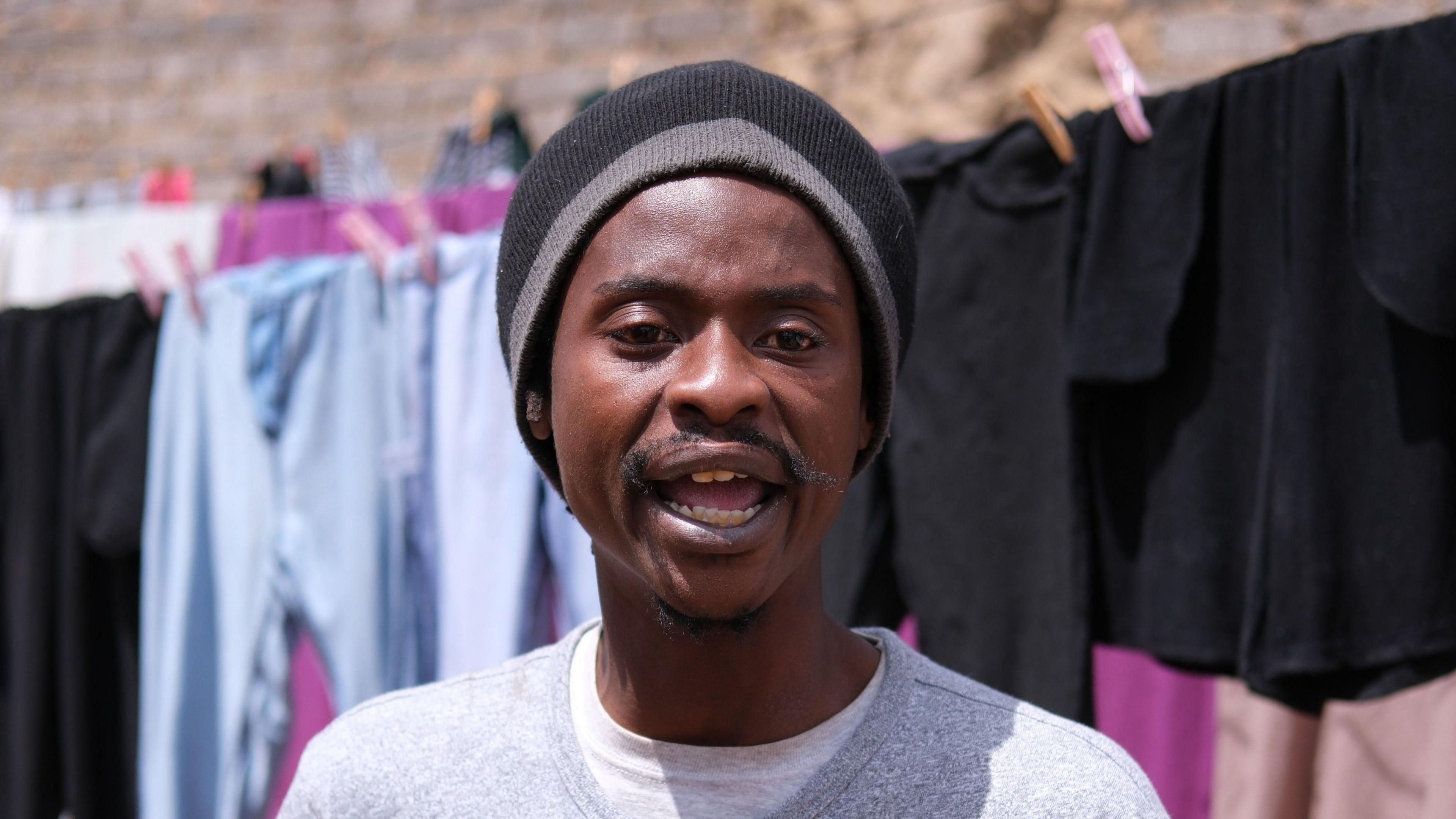

Kgomotso Mathekga, 30, weighed his own complicity on air. "I witnessed men hitting women all the time," he told the assembled men in a narrow street of the informal settlement Organic Market. "I once had an argument with my girlfriend and I grabbed and slapped her." His confession was raw, a stark reminder of how violence flows from masculinity that is unexamined and unchallenged.
The conversation unfolded in a cramped tavern, the floor dusted with sand. In the centre of the circle stood Itumeleng Stephen Tamaga—known as Bra Steve—who raised a fist and called for unity. He rallied the group: "We are men! We must stand together to fight gender‑based violence and femicide." His words were followed by cheers and the clink of bottled beers as Bra Steve, a local organiser of Father A Nation, set the tone for the night.
Father A Nation was founded by Craig Wilkinson with a simple premise: when men discuss their feelings and learn about healthy masculinity, they can dismantle the violence that shadows South Africa. Wilkinson’s approach is two‑fold—first to let men vent, then to teach them how to behave positively toward women. "We ultimately hope this will eliminate gender‑based violence," he said, pausing to let his words sink in.
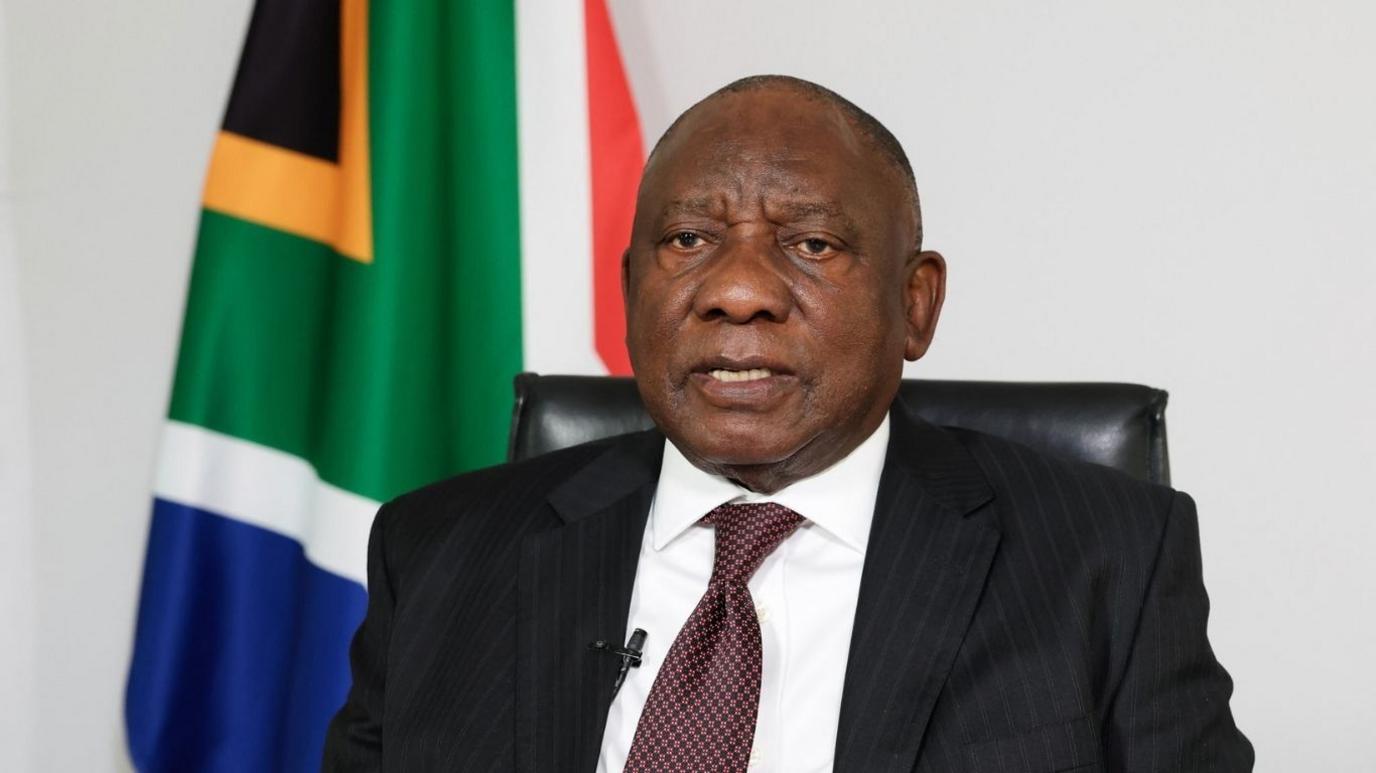
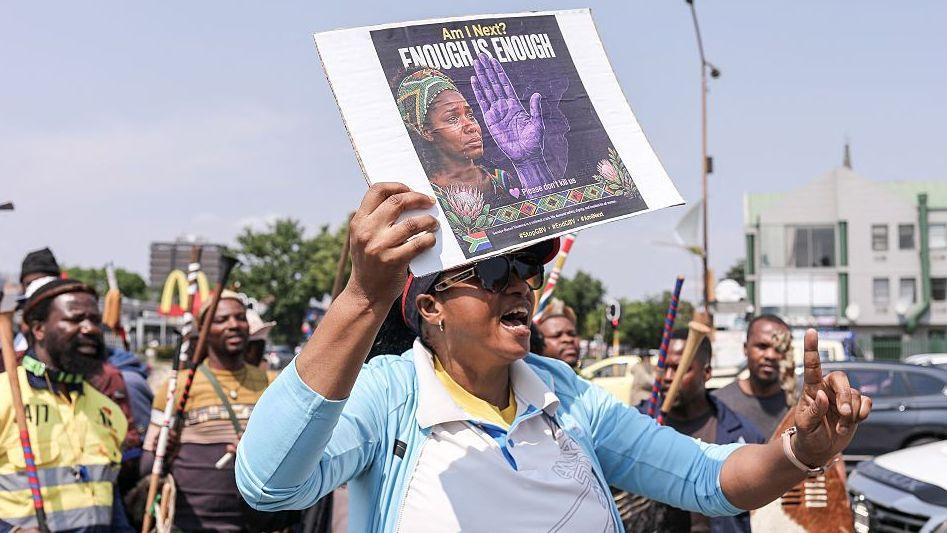
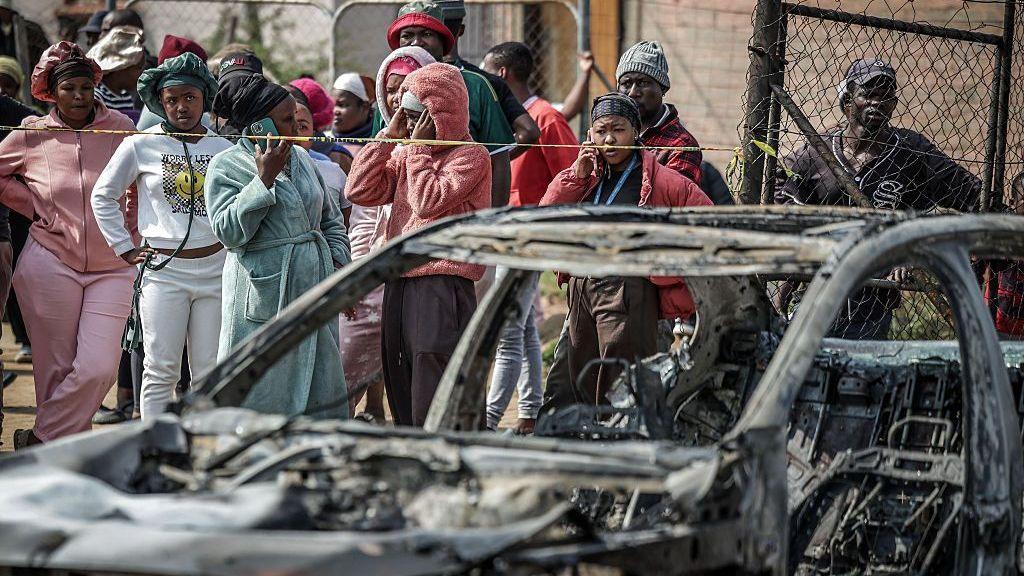
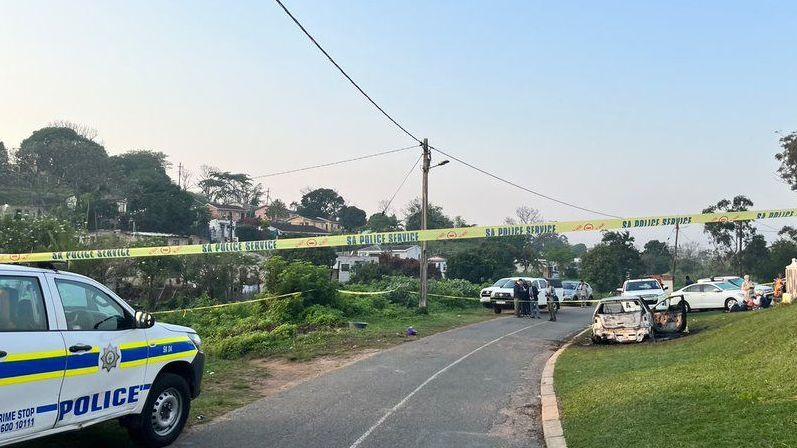
The meeting’s mood shifted when statistics hit hard. United Nations data and local police reports highlighted 569 women killed between April and June—a daily average of six. In just the past three months, twelve women were found dead in the Ekurhuleni area, igniting fresh outrage across the country. President Cyril Ramaphosa acknowledged the gap in government action, announcing plans for better street lighting and a review of cold cases, but the men in Johannesburg feel this is too little, too late.
Zizipho Mtwesi, co‑ordinator of Father A Nation, urged that men step forward before tragedies happen. "We are trying to reach men before things like these murders happen again," he said. The yearning was echoed by Bra Steve: "We must restore dignity to the men around here." For many, role models have been lost—prisoners, absent fathers—and the responsibility now shifts to the present generation.
Not every man had the courage to speak out. Linkie, fresh from wiping shoes at a nearby shack, reminded the group of the fear that lingers when women walk alone at night. "We are afraid when we see a car behind us when we walk," she told the men. Maseko, a woman with thick pink braids, added that she now relies on e‑hailing taxis to feel safe. Their stories, while painful, feed into Bra Steve’s larger mantra: Let us talk, let us trust, let us protect.
The men left the tavern humbled but hopeful. They recapped the pledge raised at Bra Steve’s speech—"If you don’t allow violence against your own daughters or you cannot protect your wife or girlfriend, you cannot allow it to happen to anyone else." As the sun dipped over Johannesburg, the gathering ended with a promise that the silence that once accompanied domestic violence would no longer be tolerated.