South Africa launches emergency action to combat mass murders of women

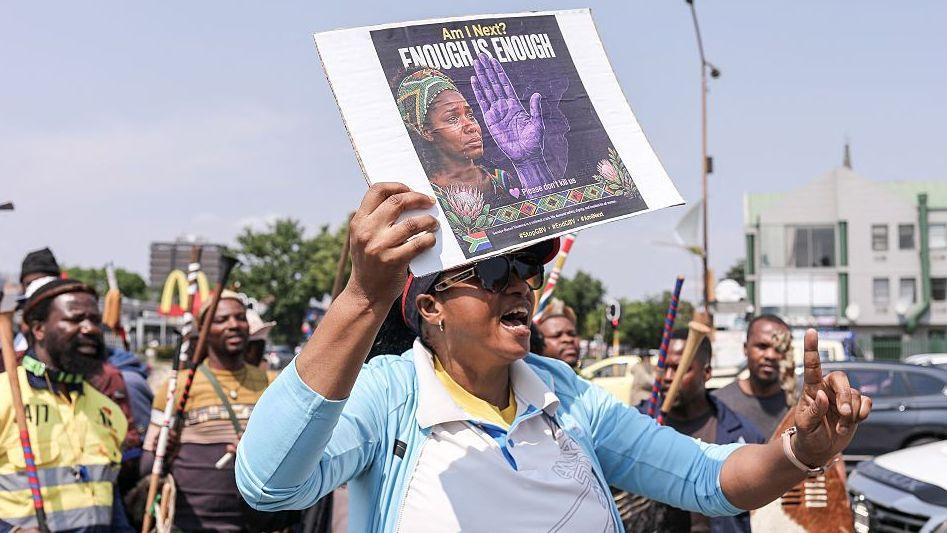
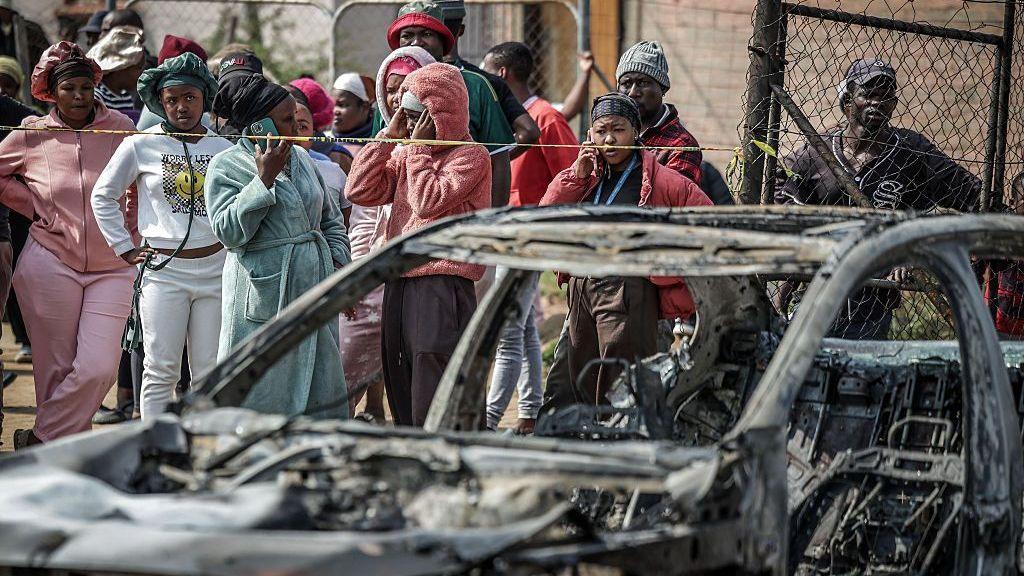
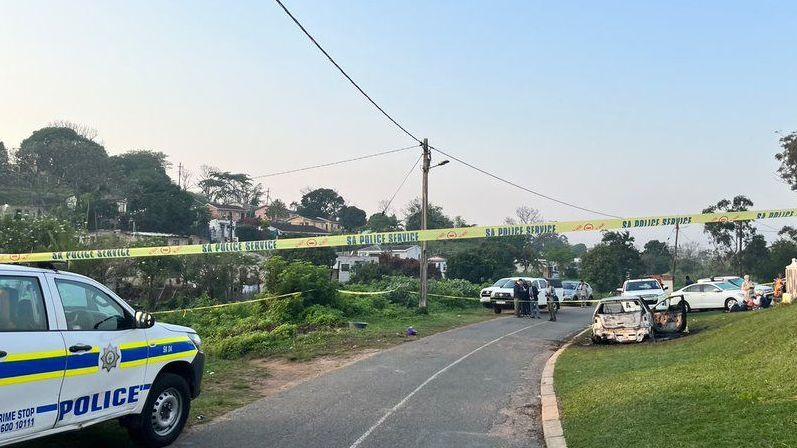
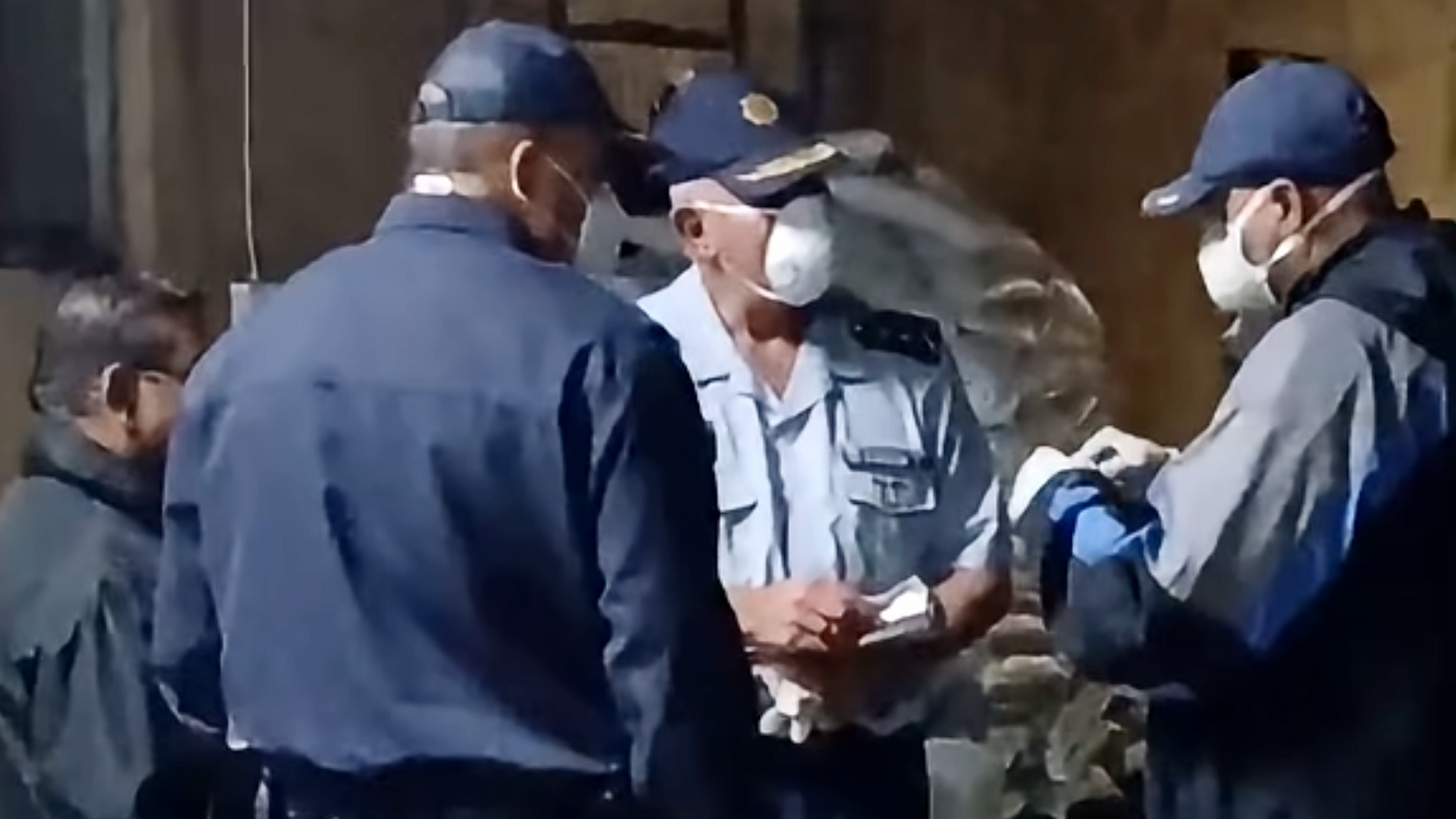
President Cyril Ramaphosa announced on Tuesday that the government will conduct a rigorous clean‑up of high‑risk areas across the country, following the discovery of 12 women’s bodies in an area east of Johannesburg in just a two‑month period. The killings have sparked a national outcry over the scale of violence against women in South Africa, which has one of the highest rates of gender‑based violence worldwide.
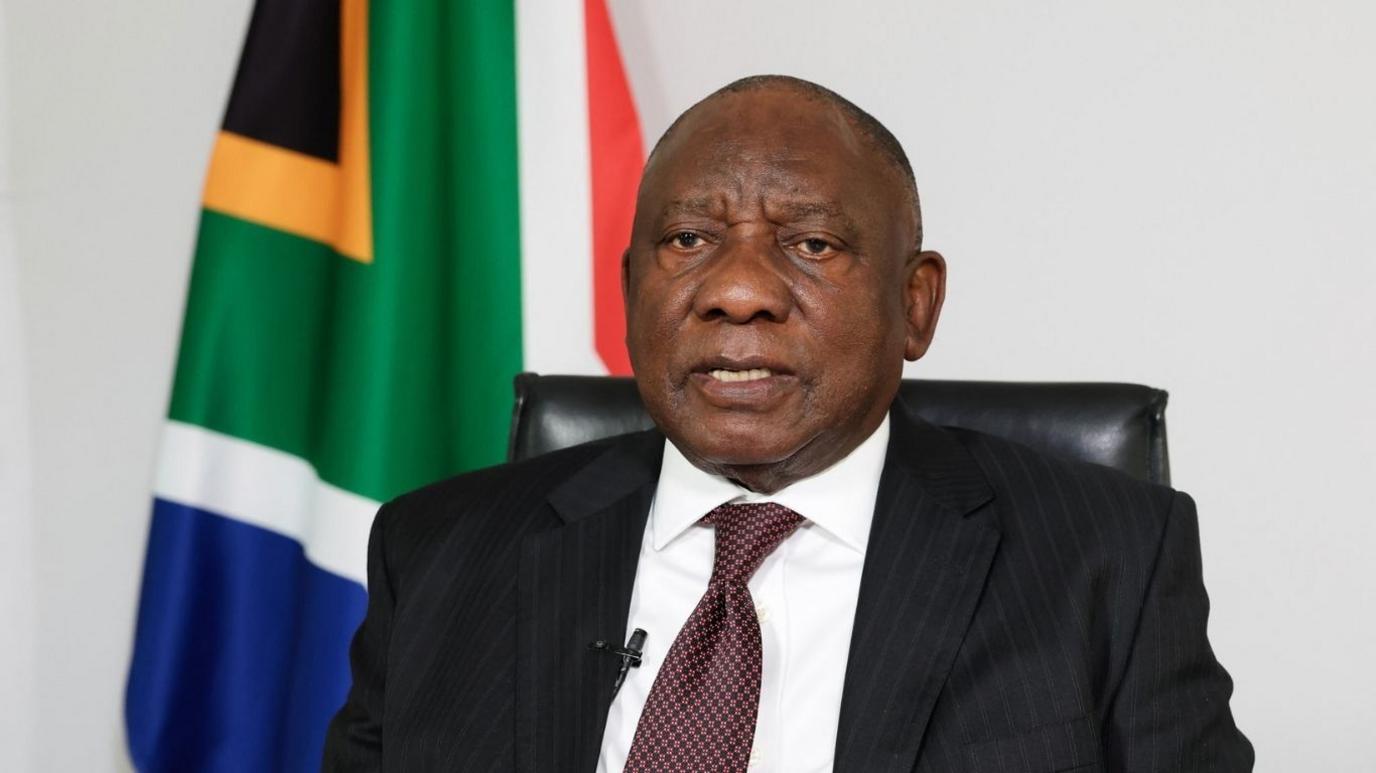
The president described the response as a multidisciplinary, national‑level emergency operation, citing four arrests so far in connection with the murders. He reiterated that gender‑based violence is not an accepted part of life and that the state has not acted adequately to protect women and girls.
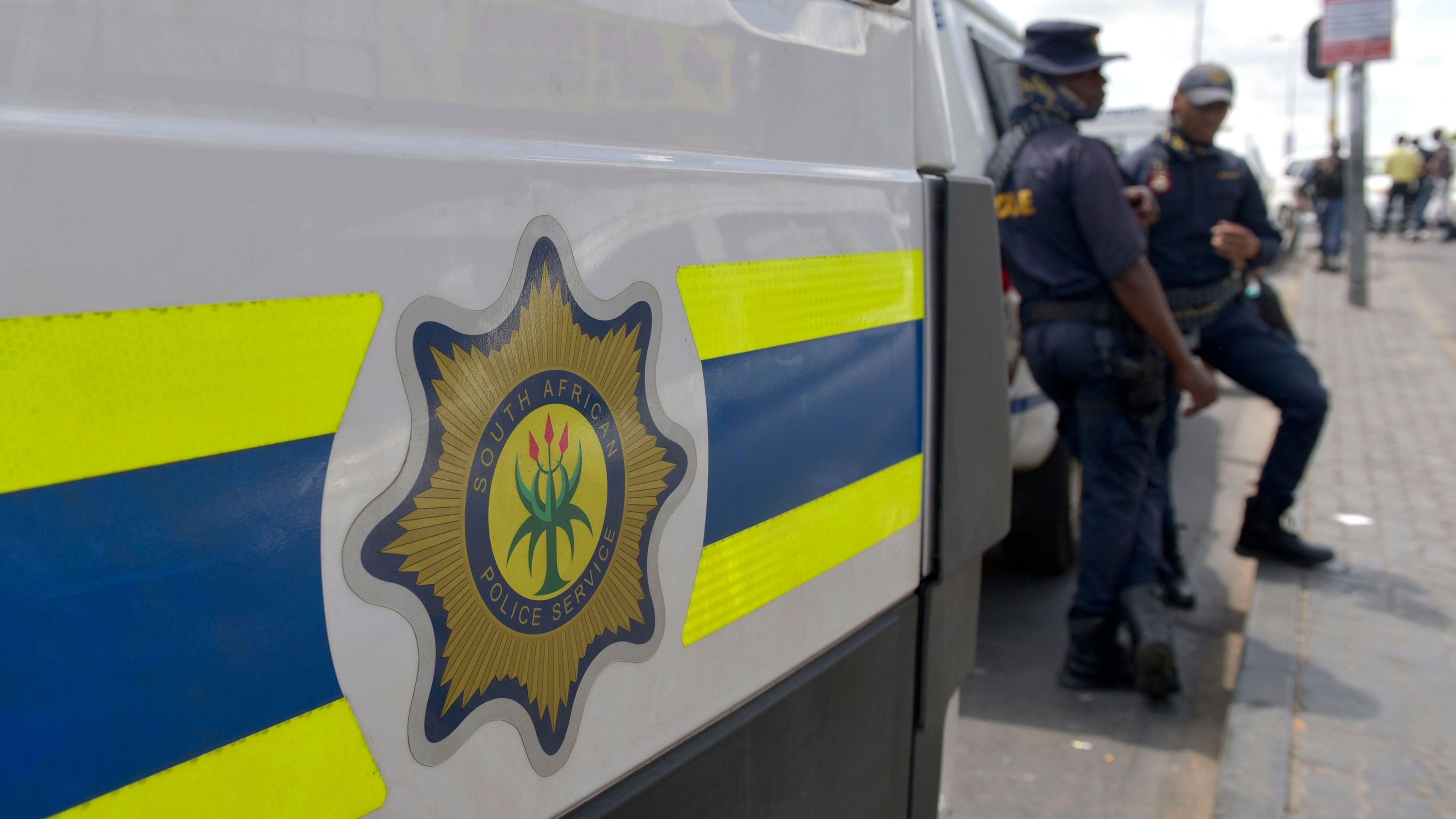
Ramaphosa warned that there is widespread concern the proximity of the discoveries could indicate the work of a single perpetrator. However, the police have not yet found evidence to link the killings to a single individual.
To address the crisis, every municipality will be required to begin a women’s safety audit immediately, identifying and fixing broken streetlights, overgrown public spaces, abandoned buildings, unsafe transport routes, poorly secured parks, and other conditions that pose risks to women. The president also announced an enforcement package aimed at reducing alcohol‑related violence, stressing that while harmful alcohol use is an aggravating factor, responsibility ultimately lies with the perpetrator.
Beyond law‑enforcement measures, Ramaphosa called for a deeper cultural shift, explaining that violence against women starts “much earlier” in attitudes that view women as inferior and allow men to assume power over them. He urged men and boys to lead the fight against gender‑based violence, emphasizing that the burden finally placed on women must be removed. The president noted the solution is not to reduce women’s freedom but to change the societal conditions that foster abuse.
South Africa recorded 5,427 murders between April and June this year alone, with 569 women killed and 1,052 victims surviving attempted murder during the same period, underscoring the urgency of the newly launched measures.