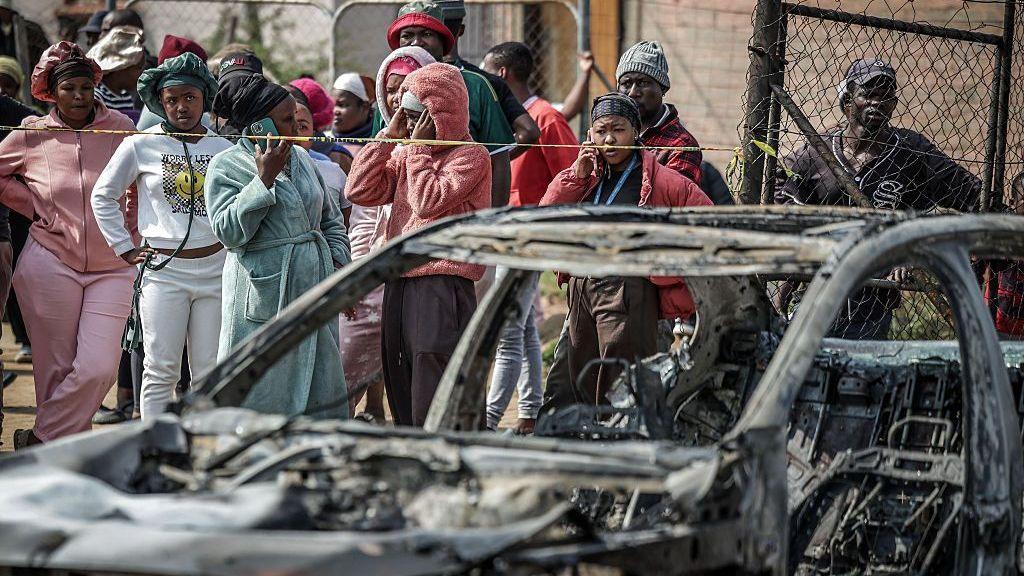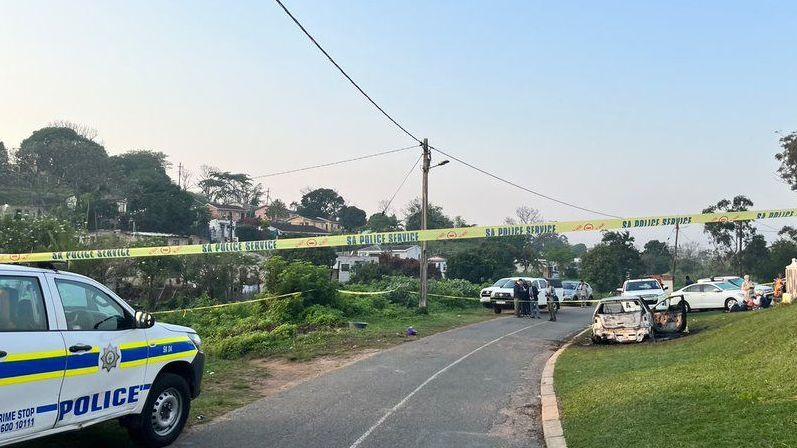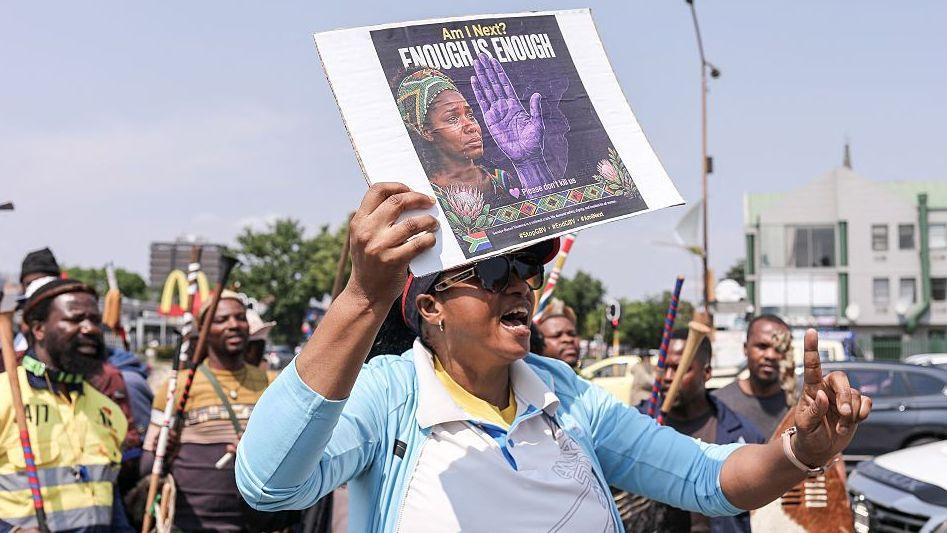
In the span of just two months, police in South Africa’s Ekurhuleni region have recovered twelve female bodies, raising alarms about a possible serial killer and highlighting the country’s chronic violence against women.
The first victim, Busisiwe Mahlangu, was found naked and bound in Kempton Park on 15 July. Police arrested a suspect believed to be her partner two days later, but he was not linked to subsequent killings.
Subsequent cases followed across Ekurhuleni: Itumeleng Kekana (3 August), Nomfesane Mjobo (26 August), and Gracious Nkomo (10 September) were all found partially or fully naked with varying degrees of bruising. None of the investigations implicated the initial suspect.
A series of other disappearances culminated in the discovery of bodies in areas such as Olifantsfontein (14 September) and Springs (15 September). In one case, Dineo Motapane’s battered body was found on a road, killing her 38‑year‑old mother of one; no arrests have followed.
The most unsettling case, however, was that of Elizabeth “Tsontso” Moselakgomo. Missing during a routine run in Kempton Park, her body was recovered on 12 September, half‑naked and badly bruised—a discovery that sparked a memorial run and widespread media coverage.
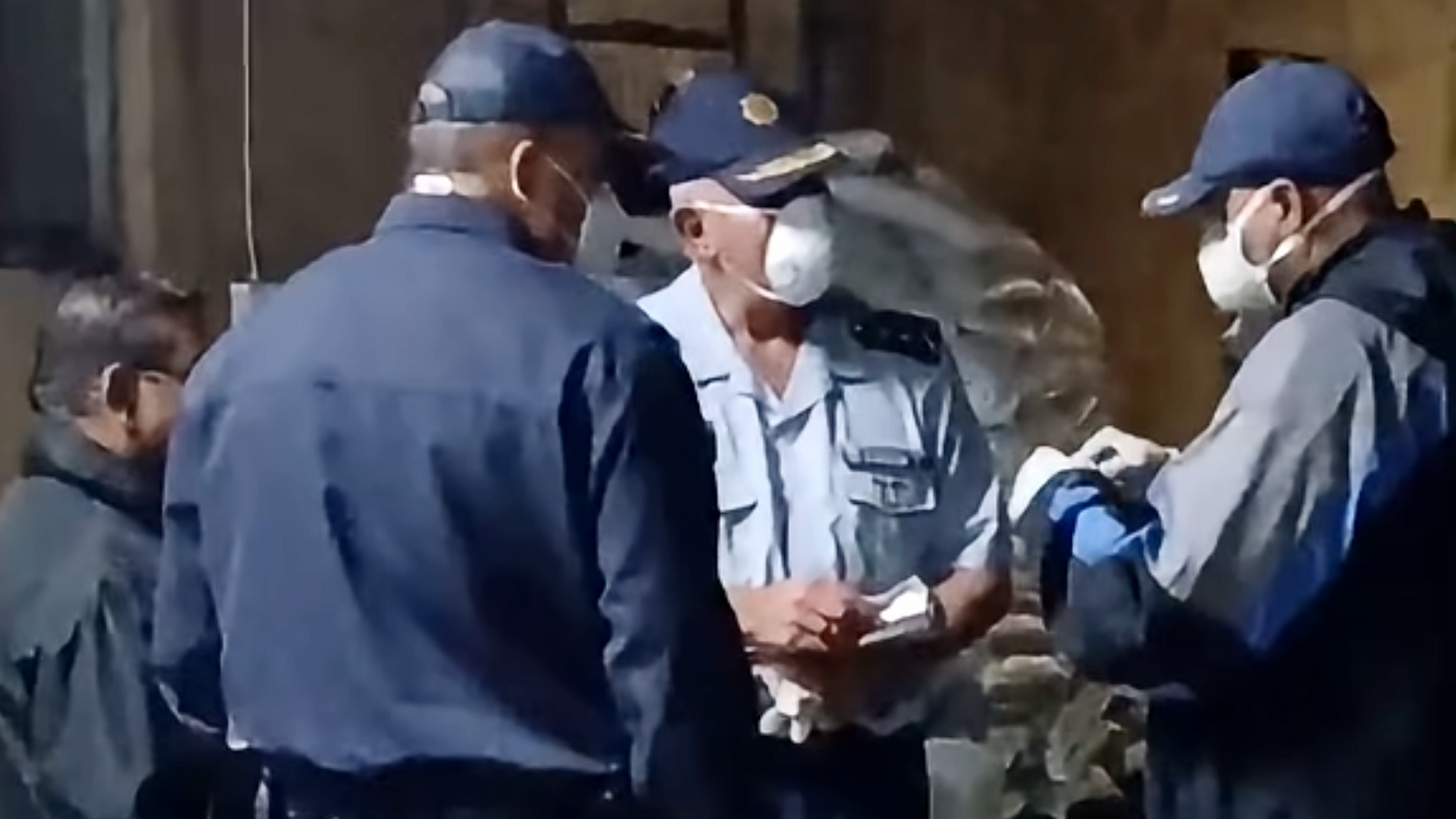
Police have reported no overarching links among these cases, but they have not dismissed the possibility of a serial killer. A task team has been assembled and a R400,000 reward offered to anyone who can aid in the investigation.
High homicide rates exacerbate the fear; between April and June alone, South Africa recorded 5,427 murders, with an estimated 569 women killed—a rate of six women each day. President Cyril Ramaphosa called the killings a “stain on our national conscience.”
The investigation hinges on forensic evidence and community cooperation. Officials insist that anyone with information should come forward, stressing that the safety of victims’ families and the public depends on swift justice.
While the search for answers continues, the 12‑woman tragedy remains a stark reminder of the urgent need for stronger protections and effective policing in South Africa’s growing cities.