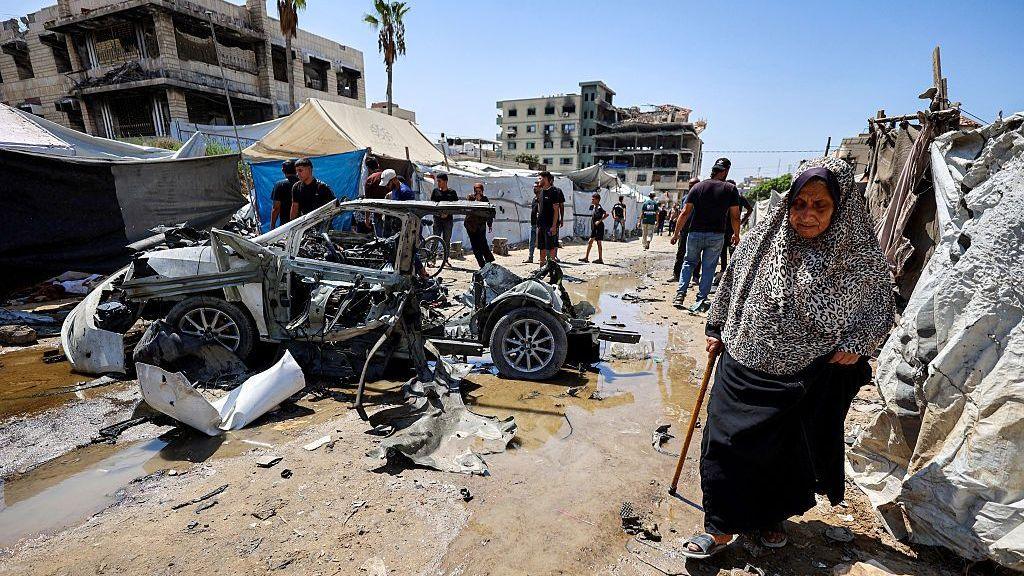
The United Nations Population Fund (UNFPA) data for the first half of 2026 shows a surge in gender‑based violence (GBV) in Gaza, from early marriage to sexual assault. Testimonies collected in camps across Gaza City and Khan Younis revealed harrowing practices, including rapists marrying victims to avoid stigma and families trading 14‑year‑old daughters for food during famine conditions.
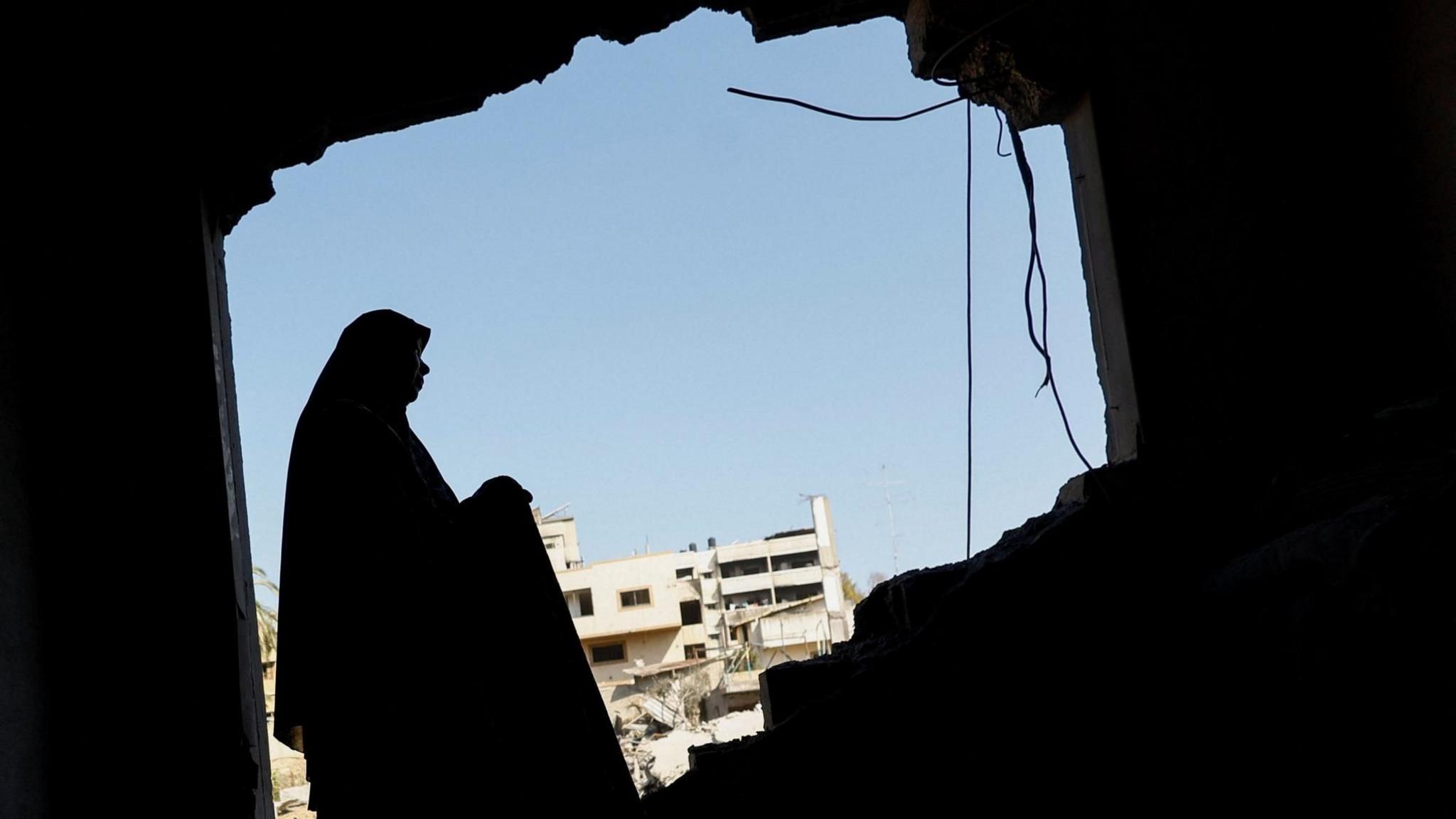
Early and forced marriage incidents have climbed 123% between the first and second quarters of the year, with girls as young as 12 now in unions that flagrantly violate child‑protective norms. In Gaza, where war‑driven displacement has left a large portion of the population in tent or makeshift shelters, orphaned girls are strikingly vulnerable, often becoming pregnant and facing severe health complications.
Sexual violence has also increased: 2.7% of GBV reports from April to June 2026 were rape or sexual assault—up 61% from the previous quarter. The majority of survivors are women aged 18–59, with adolescent victims representing 8% of cases. Many report fear of stigma, especially at night when seeking sanitation facilities.
The UNFPA report links the crisis to Israel’s ongoing air attacks, the collapse of public services, and reduced risk mitigation measures. With nearly one‑quarter of households headed by a woman—double the pre‑war figure—aid agencies argue that tackling inadequate shelters, broken latrines, and lack of lighting would cut risk significantly.
The policy environment has also eroded: courts no longer apply the minimum marriage age of 17 without judicial oversight, and Sharia courts, closed for much of the conflict, removed protective safeguards. These legal gaps have paved the way for unregulated union of minors.
UNFPA, collaborating with the Women’s Affairs Center of Gaza and other NGOs, urges Israel to permit higher quality shelters, light, and sanitation supplies into the territory. They also call for sustained educational, health, and domestic violence campaigns to empower women and halt child marriage.
Despite the ongoing hostilities, women in Gaza offer a cautious hope for a more secure future. Their stories fuel urgent advocacy for protective infrastructure, legal reform, and humanitarian aid to stem the rising tide of gender‑based violence.