
In brief
Saudi authorities briefly warned of a danger in Jizan on Saturday, scrapping the alert after a few minutes. The incident transpired as Houthi forces continue air strikes against Saudi territory amid a renewed conflict with Yemen’s internationally recognized government. Similar alerts have appeared elsewhere in the kingdom, reflecting heightened regional tensions.
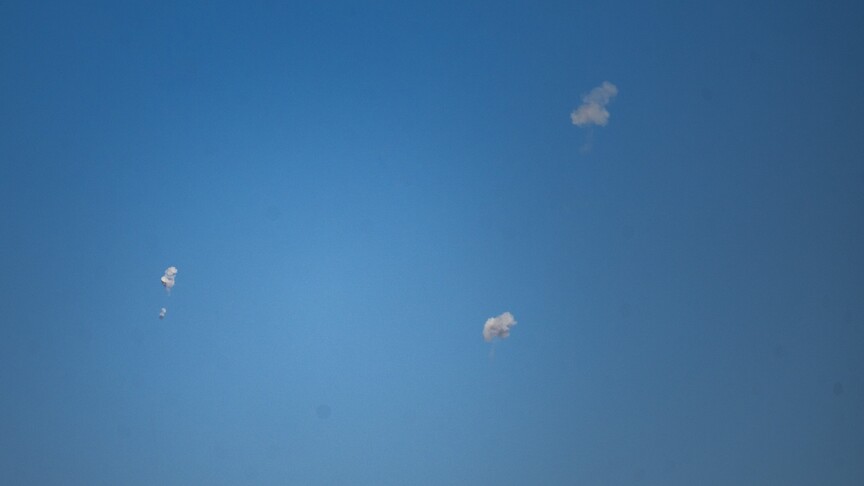
On Saturday night, Nov. 7, 2026, the Saudi Civil Defense announced a brief threat alert for the southwestern city of Jizan, signalling a “potential danger” to the local audience. Within a few minutes the alert was cancelled, and officials reported that the danger had passed. The announcement appeared on the community’s official social media account on X, where the agency cautioned residents to avoid gathering and filming during the alert.
The event occurs as Houthi militants in Yemen continue a campaign of missile and drone strikes against Saudi territory, sustaining a heated front in a conflict that has dragged on since 2015 and flared again in July of this year. The Houthis, who seized the Yemeni capital Sanaa and several other provinces in 2014, have escalated their attacks against the Saudi-led coalition that has been supporting the internationally recognized Yemen government. The new surge follows a lull in fighting after a UN brokered truce that began in April 2022.
Context of the Alert
The Saudi Civil Defense is the national emergency authority that dispatches alerts across the kingdom to warn the public about potential threats, ranging from aerial attacks to natural hazards. When a threat alert is issued, the agency typically urges citizens to follow instructions, refrain from converging in large groups, and avoid filming or broadcasting the event for security reasons.
In the present case, the alert surfaced part of a series of warnings that have taken place across Saudi cities amid the ongoing Houthi attacks. An independent news source reported that a Saudi emergency alert was also triggered in the city of Najran that same day, repeating the call for residents to be vigilant and to observe official guidelines. The Najran incident, documented by the Iranian news outlet Roya News, indicates that the threat perception is not isolated to Jizan.
The brief nature of the alert in Jizan raises questions about the triggers that lead the Civil Defense to deploy a warning and then retract it so swiftly. One interpretation is that a routine radar detection or a false signal prompted the initial alert before confirmation confirmed no real threat. Another possibility is that the alert served as a deterrence measure while the agency verified the situation.
Implications for Security and Civil Readiness
The repeated activation of threat alerts may be part of Saudi Arabia’s broader strategy to maintain public readiness amid an unsettled security environment. By publicly communicating potential dangers, the authorities aim to keep the populace on high alert, contributing to a deterrent posture against Houthi capabilities.
Meanwhile, the ongoing missile and drone attacks have exacerbated regional instability. The Houthi forces, backed by elements of the Iranian Revolutionary Guard Corps, have expressed willingness to shift military strategies if ordered to – a stance reported by an Iranian outlet earlier in the week. This escalation underscores the continuing volatility along the Saudi-Yemen border.
Humanitarian concerns also remain high, as civilian populations in border provinces endure repeated security threats. The Civil Defense’s hint to avoid gathering and filming after the alert is part of a broader effort to reduce civilian risk, ensuring that emergency services can respond without additional complications.
Open Questions and Next Steps
Key questions surrounding the Jizan alert include: What specific evidence prompted its issuance? Has the Saudi military confirmed any Houthi weapon transmissions targeting the city at that moment? And what measures are in place to verify the authenticity of incoming threat signals?
Saudi officials have yet to disclose detailed operational criteria for what constitutes a “potential danger.” However, the rapid dismissal of the alert implies that either the perceived risk was overestimated or that a true threat being monitored had subsided.
In the broader picture, ongoing Houthi attacks, combined with escalating diplomatic tensions in the region, underscore the need for continuous monitoring of the security situation. The incident in Jizan, though brief, reflects the volatility that communities within Saudi Arabia must navigate in light of regional hostilities.


