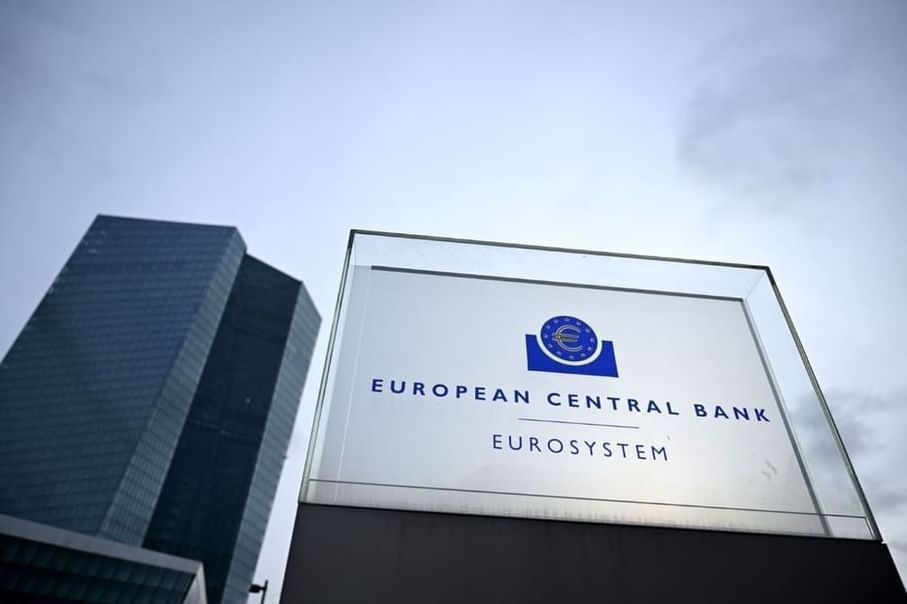
In a move that could shape the future of euro‑area monetary policy, representatives of the Eurozone’s finance ministers announced on Friday that they had nominated Klaas Knot and Pablo Hernández de Cos as candidates to replace Christine Lagarde as President of the European Central Bank (ECB). Knot, the former chief of the Dutch central bank, and de Cos, the General Manager of the Bank for International Settlements, both bring extensive experience as crisis managers. Their nomination comes as the term of Lagarde, who has occupied the post since 2019, is due to end in February 2027. The Eurozone’s decision was broadcast by the Gulf News Tribune (WAM) on the 7th November 2026, signalling the early scheduling of the selection process.
President of the Eurogroup Kyriakos Pierrakakis announced that the Eurogroup would review the two candidacies at its next meeting on 9 November. He added that, in keeping with the selection procedure set out in the Treaty on the Functioning of the EU, the ECB and the European Parliament would provide input before the European Council makes the final appointment. Now the two candidates will face scrutiny from euro‑zone finance ministers and European Parliament members, most of whom will weigh their crisis‑management records when discussing the role’s future direction. The report notes that this is a highly significant process in that the ECB’s mandate extends beyond out‑of‑budget monetary policy to include oversight of European banking stability.
The announcement of the nominations marks the next phase of the ECB’s leadership transition, a procedure that has been used in past “broker‑price” moves such as John Williams’s elevation in 2012 and other transitional periods. The ECB’s governance framework, described in the Treaty on the Functioning of the EU, requires the European Council to give final approval after consulting multiple EU bodies, a safeguard that ensures candidate qualifications align with EU statutes. Hip‑hop headline coverage of the nominations highlighted the fact that both Knot and de Cos are “seasoned crisis‑fighters”, a description echoed by several euro‑zone officials in early statements. In particular, Knot’s record at the Dutch central bank during the 2015‑2017 Dutch banking crisis and de Cos’s leadership at the BIS during the global euro‑zone debt problem underscore their perceived suitability to navigate future euro‑area economic turbulence, the WAM article states.
Beyond the formal process, the nominations ignite a broader conversation about the ECB’s future policy direction. Decision‑makers have already discussed how each candidate might shape monetary policy, especially in the wake of recent challenges like the euro‑area's inflation surge, the public‑debt escalation and the lingering effects of the COVID‑19 pandemic. Finance minister colleagues have suggested that a successor with deep crisis‑management experience will be best positioned to address the volatility of financial markets. As the WAM report cites the Eurogroup’s intent to evaluate “the candidacies” before the European Council staffs an appointment decision, the episode underscores the collective effort to maintain euro‑area stability.
The nominations also bring under the spotlight the stakes associated with a senior central‑bank role. The ECB’s president must be practically ready to handle the euro‑area’s systemic banking risk, a task complicated by the current fragility of European banks, high inflationary pressures or crises of confidence. Since its inception, the ECB’s mandate has evolved beyond common‑sense monetary policy to include keeping the euro invisible and stable. The process that the WAM article describes is designed to secure that broad mandate while keeping the ECB’s policy independence intact. The debate among the involved bodies will continue as they evaluate the merit and relevance of each nominee in light of the euro‑zone’s challenges.
As the picture unfolds, observers will watch the Eurogroup’s 9 November meeting for early signals on the preferred path forward. The ECB and European Parliament will weigh in on the two candidates, and the European Council will take the last step of endorsing the final appointment. The timeline after the Eurogroup’s review is not detailed in the WAM source, but the article highlights that, after “review and further consultations”, the European Council will announce the final decision. No indication yet exists as to whether either Knot or de Cos will emerge as the preferred candidate, leaving the ending of Lagarde’s tenure an open question for now.
Thus, the latest nominations in the ECB succession race emphasize a focus on seasoned crisis managers. The Eurozone’s decision to bring forward the naming of Klaas Knot and Pablo Hernández de Cos underscores the perceived importance of a stable and experienced leadership for the heart of Europe’s central banking system. The process now moves into the higher tiers of EU governance, with the assurances that both the Treaty framework and collective scrutiny will filter the final decision before the next President steps into the role once Lagarde’s term concludes.