In brief
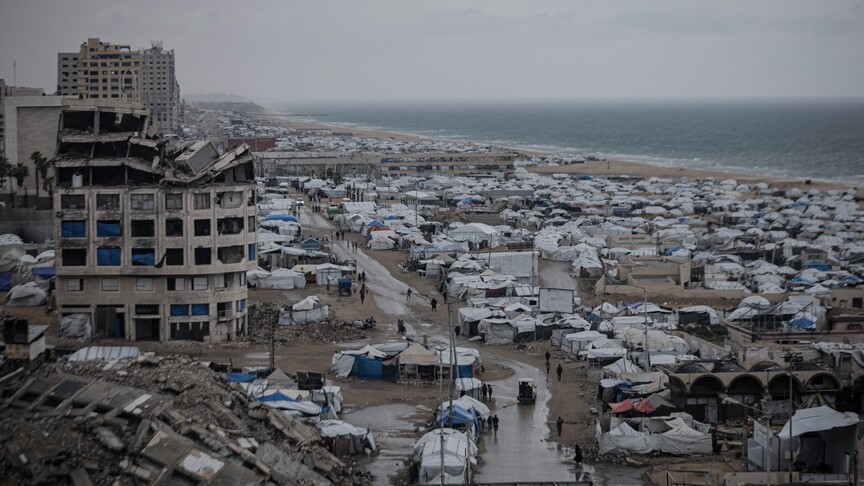
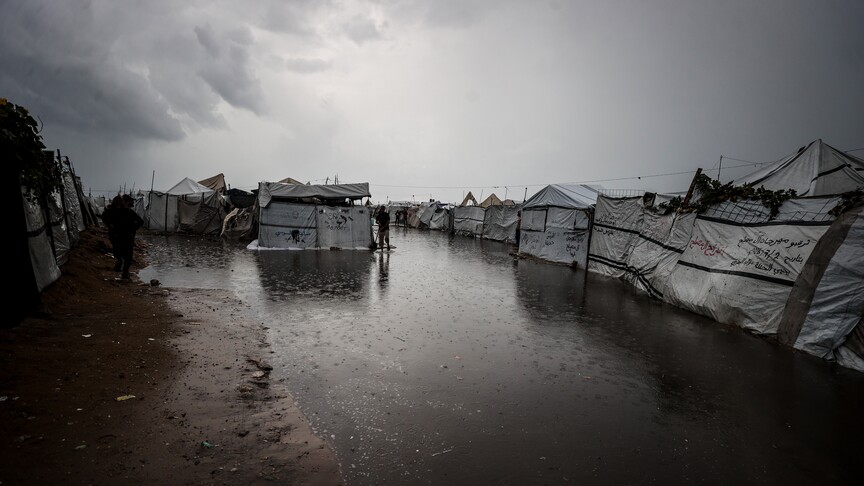
On Saturday, heavy rains swept through the Gaza Strip, flooding makeshift shelters and exposing tens of thousands of displaced families to immediate danger, a UN humanitarian agency warned. 2.1 million residents remain displaced, many in deteriorating tents and crowded UNRWA buildings where supplies are running short. The agency calls for urgent winter equipment and fresh funding to stabilize the situation.
On Saturday, heavy rains washed through the Gaza Strip, flooding shelters that house displaced Palestinians and left families in immediate danger, the UN Office for the Coordination of Humanitarian Affairs (OCHA) warned on social media platform X.
OCHA’s statement highlighted that most of Gaza’s 2.1 million residents still live in disperse tents with limited protection against the worsening weather, and that the sudden flooding has put many families living in flood‑prone or damaged buildings at "immediate risk."
In a direct quote from the agency, it said:
We are deeply concerned for families already affected and those most exposed to the worsening conditions.
OCHA added that emergency supplies are "insufficient," citing "months of funding shortfalls and restrictions" that have severely constrained preparations for the season.
For the agency, the immediate need is the entry of winter supplies, heavy machinery, engine oil and spare parts required to keep humanitarian vehicles and generators operational. "More humanitarian funding is urgent," OCHA said.
Background: Displacement and Shelter Conditions
According to OCHA, the war and subsequent destruction have left nearly all of Gaza’s population displaced. Many families remain in tents or in hastily consolidated shelters made from tarpaulins and broken building materials. The UN Relief and Works Agency for Palestine Refugees (UNRWA) reports that roughly 75,000 displaced Palestinians are seeking refuge in more than 100 damaged and overcrowded agency buildings across the Strip.
UNRWA’s Facebook post notes that these shelters face frequent structural failures, and that the ongoing rains exacerbate the risk of collapse or flooding. The influx of weather‑related hazards has compounded demand for humanitarian aid, but the agencies are reporting insufficient stocks of essential relief items, including tarpaulins, cement, and freshwater.
Immediate Response and Unanswered Questions
Humanitarian organisations have mobilized to distribute emergency supplies and assist families affected by the flooding. However, OCHA notes that the current stocks are "insufficient," and that the long‑term sustainability of relief efforts relies heavily on new funding and equipment. The agency is calling for immediate action to secure winter supplies, heavy machinery for infrastructure repair, engine oil to keep generators running, and spare parts to maintain transport and relief vehicles.
While the shelters have been flooded, there is limited information about the exact extent of the damage to essential utilities such as water and electricity. Questions remain about the ability of local residents to access clean water and adequate shelter in the days to follow, and how quickly humanitarian agencies can deliver the materials urgently requested.
OCHA’s appeal underscores the urgency of the situation: with daily rains threatening the fragile crude shelters and a calendar of freezing temperatures looming, displaced families face a compounded risk of health, security, and basic survival. The international community is urged to expedite the delivery of winter equipment, fuel, and financial support to prevent a humanitarian crisis that could spiral beyond current capabilities.