
In brief
On Saturday, two Palestinians were injured when a collapsed wall in an Israeli‑damaged building in northern Gaza was pushed by heavy rain. The storm also flooded thousands of makeshift tents, compounding the hardship of displaced residents amid Israel’s ongoing war. The incident highlights the combined impact of military strikes and climatic extremes on Gaza’s fragile population.
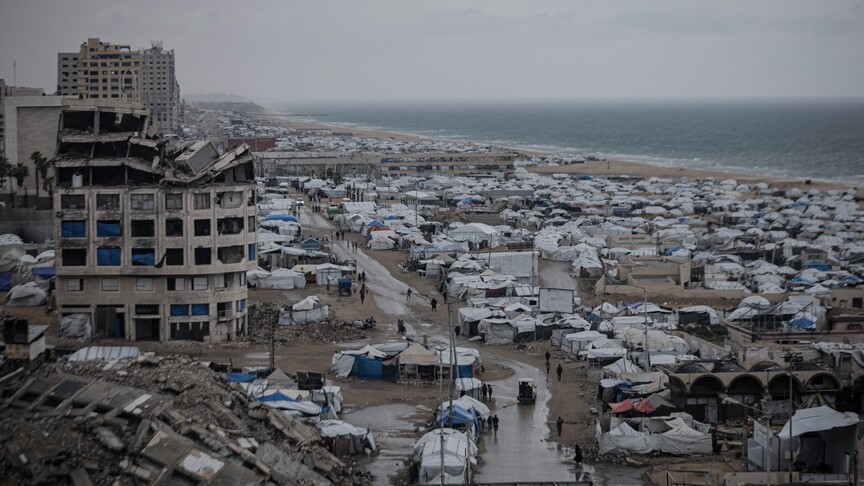
On Saturday morning, 07 November 2026, two Palestinians were wounded when heavy rain forced a wall in a building damaged by earlier Israeli shelling to collapse in northern Gaza. According to a medical source that spoke to Anadolu Agency, the collapse occurred in an area close to Gaza City’s port, where dozens of displacement tents had already been inundated by the storm.
The incident unfolded against the backdrop of a low‑pressure system that brought heavy rainfall across the Gaza Strip, flooding thousands of tents near the port, west of Deir al‑Balah, north of the Nuseirat refugee camp, and in the towns of Jabalia and Beit Lahia. Those tents are used by displaced Palestinians who live without adequate shelter, heating, or protection from the elements, and many have suffered from the severe conditions caused by the conflict.
Anadolu notes that the weather system, accompanied by a cold air mass, amplified the déjà‑vu of hardship for the region’s residents. The refugees, who are already coping with the destruction of homes and infrastructure, face additional shocks when infrastructure such as walls in damaged buildings gives way under the weight of the rain.
According to the agency, the building had sustained earlier damage from Israeli shelling. The collapse of a structural wall in a shell‑damaged structure exposed the vulnerabilities of the settlements that have been devastated since the war’s onset in October 2023.
The broader context of the conflict highlights the scale of human toll: since the start of the war, Israel’s campaign in Gaza has killed more than 74,000 Palestinians, wounded over 175,000, and caused widespread destruction of civilian infrastructure, as reported by Anadolu. The week’s weather event has added a new, if temporary, dimension of suffering to an already dire situation.
In the sections that followed the rain, thousands of displaced residents across Gaza found their temporary shelters, many of them tents, inundated. The flooding compounded the already dire circumstances of those who live in such structures, leaving them vulnerable to both cold and lack of protection from rain, and increasing the strain on local health care facilities.
Healthcare workers in the area have expressed concern over the healthcare system’s capacity to deal with the surge of patients resulting from both war damage and natural weather emergencies. A medical source said that the collapse injured two Palestinians and that the injuries were “minor but serious enough to require immediate attention.” The agency did not detail the exact nature of the wounds or the treatment that the victims received.
While the acute event was a direct result of a structural failure, the root cause was the repeated shelling carried out by the Israeli Defense Forces in the region. The building’s earlier damage left it structurally unstable; the heavy rain tipped the balance, leading to the wall’s collapse. This sequence underscores how war‑damaged structures can become hazards when coupled with environmental factors.
The incident also underscores the precariousness of the shelter arrangements for displaced Palestinians. According to the Anadolu report, thousands of tents near the port have been flooded, and the evacuees have “no heating or adequate protection from rain and cold.” Even before the storm, these temporary shelters were often “worn‑out tents without proper heating,” a fact that has now worsened the living conditions for those who rely on them.
The United Nations and other humanitarian groups have repeatedly called for the protection of civilian infrastructure and warned that the multiplication of humanitarian crises can have long‑term repercussions. The latest storm-fed incident has stirred new questions around the adequacy of emergency response measures that are designed to handle such compounded crises.
Open questions that have emerged from this incident include: How many more Palestinians could be at risk if similar structural weaknesses go unchecked? To what extent has the ongoing war exposed civilians to additional hazards beyond direct military confrontation, such as the vulnerability of their shelters to weather? What measures are being taken to reinforce or evacuate damaged structures before environmental stresses overcome their remaining integrity?
Given the continued heavy rain and the limited capacity of local aid agencies, many residents have called for increased support to mitigate the impacts of such dual threats. The evacuees’ experiences, compounded by the recent storm, highlight a potentially growing pattern of stressors that could extend beyond the immediate conflict area.
In the absence of official statements from the Israeli Defense Forces or the Palestinian Civil Administration in the aftermath of this incident, the focus remains on the humanitarian response, with medical teams on the ground ready to treat those injured and provide basic relief to the flooded tent populations.
The incident serves as a stark reminder of how the continuous conflict can set the stage for secondary crises. As the Gaza Strip faces ongoing shelling, the cascading effects of weather disturbances can exacerbate an already strained environment.
Anadolu will continue to monitor developments and provide updates on further impacts to the civilian population in Gaza. Current reports suggest that rescue and medical teams are on standby to address any future injuries resulting from structural collapses or flooding.



