In brief
Austria has activated a ban on traditional Muslim headscarves, such as hijabs and burkas, for girls under 14 in both public and private schools. The conservative-led coalition touts the move as a protective stance toward gender equality, while critics warn it may deepen anti‑Muslim sentiment and breach constitutional rights. The law will be enforced by teachers who must engage students and families in dialogue, with potential fines for repeat violations. Legal challenges from the Islamic Community and debate over the policy’s alignment with Austria's religious neutrality continue to shape the national conversation.
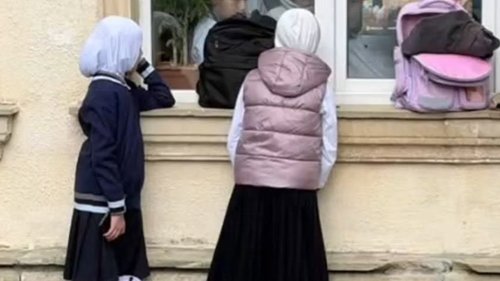
As the new school year commences, Austria has implemented a ban on traditional Muslim headscarves for girls under the age of 14 in both public and private schools.
The legislation, upheld by a coalition of the People’s Party (ÖVP), Social Democrats (SPÖ) and Neos, prohibits hijabs, burkas and similar coverings. Integration Minister Claudia Bauer describes the headscarf as a sign of oppression and a tool that controls girls from an early age.
Opposition voices caution that the ban may fuel anti‑Muslim sentiment and risk being unconstitutional, noting that a previous ban in 2020 was overturned for violating Austria’s principle of religious neutrality.
The Islamic Community in Austria (IGGÖ) has condemned the measure, claiming it unjustly limits religious freedom and disproportionately affects Muslim girls. Members of the IGGÖ plan to support legal challenges in the Constitutional Court and will represent families who believe their rights are infringed.
Teachers are ordered to enforce the ban by first engaging in talks with students and their guardians. In cases of repeated violations, child services may be notified, and guardians could face fines of up to €800.
Some educators express concerns, with Green Party member Sigi Maurer accusing Education Minister Christoph Wiederkehr of burdening teachers with “police‑like” duties, while the far‑right Freedom Party (FPÖ) argues the ban does not go far enough and calls for a holistic prohibition on headscarves and face coverings in schools.
The policy echoes France’s legacy of banning conspicuous religious symbols in schools, although Austria’s law specifically targets Muslim head coverings. Nations such as Belgium and Denmark similarly ban full face veils in public spaces.
IGGÖ’s Carla Amina Baghajati warned that Europe’s trend of employing symbolic measures against minority groups “fails to resolve underlying social challenges.”