In brief
A BBC investigation reveals that Sudan’s Rapid Support Forces (RSF) carried out 43 separate attacks on hospitals in el‑Fasher between May 2024 and October 2025, crippling the city’s health system. 120 medical workers were injured, 55 were killed and 10 were abducted, according to the BBC's data. UN human rights chief Volker Türk decried the findings as potentially war crimes, while RSF officials denied any wrongdoing. The report details a systematic strategy to force patients out of hospitals, turning medical centres into silos of destruction. The devastation remains a stark reminder of the war’s humanitarian toll.
A BBC investigation has compiled evidence that Sudan’s Rapid Support Forces (RSF) systematically destroyed the healthcare system of el‑Fasher during its siege and takeover in 2024. From May 2024 to October 2025, the BBC’s data records 43 separate attacks on hospitals and health facilities, some of which were struck multiple times.
The assaults were not isolated incidents. Smith says that the RSF tried to evacuate hospitals to cripple medical aid for civilians. The systematic pattern forced medical staff into makeshift shelters, many of which were hit in subsequent shelling and drone strikes.
The toll on health workers has been devastating. Between April 2023 and October 2025, 120 doctors and nurses were injured, 55 were killed and 10 were forcibly disappeared or abducted. An internal report from the UN human rights office confirms that attacks on health facilities are illegal under international humanitarian law and may amount to war crimes.
RSF officials have dismissed the BBC’s findings as propaganda. The RSF health minister called the allegations a “continuation of lies” by the army and its allies. He accused medics of being complicit with the opposition, a claim that is contradicted by testimonies from doctors on the ground.
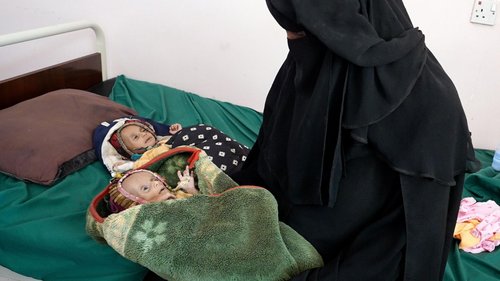
The BBC’s timeline highlights the physical devastation. Saudi Maternity Hospital, initially the only functioning facility after the RSF seized the city in October 2025, suffered repeated shelling—up to 25 attacks on a single day, with rockets and infantry fire. Private clinics, the Teaching Hospital and the Secondary Hospital were gradually forced to shut down. Even temporary relocation of the Specialised Children’s Hospital and the dialysis centre did not protect them from further bombings.
Dr Muhamed Suliman, a surgeon who was in el‑Fasher during the siege, describes how the RSF targeted hospital areas to deny civilians medical care. “The RSF started hitting these areas so citizens have no longer any way to stay there,” he says. He compared the attacks to a deliberate, planned campaign to render health facilities unusable.
After the RSF stormed the city, the hospital was briefly reopened under RSF control, only to be shut again after the Sudanese army pushed the RSF back. Several staff members were captured during this period and coerced into briefings that portrayed the RSF as rescuers, a narrative suppressed by the insurgents.
UN intervention continues, with WHO condemning a reported mass killing at el‑Fasher hospital and satellite imagery pointing to clusters of bodies on the blood-soaked grounds. The BBC investigators urged the international community to review the evidence for possible war‑crime proceedings.
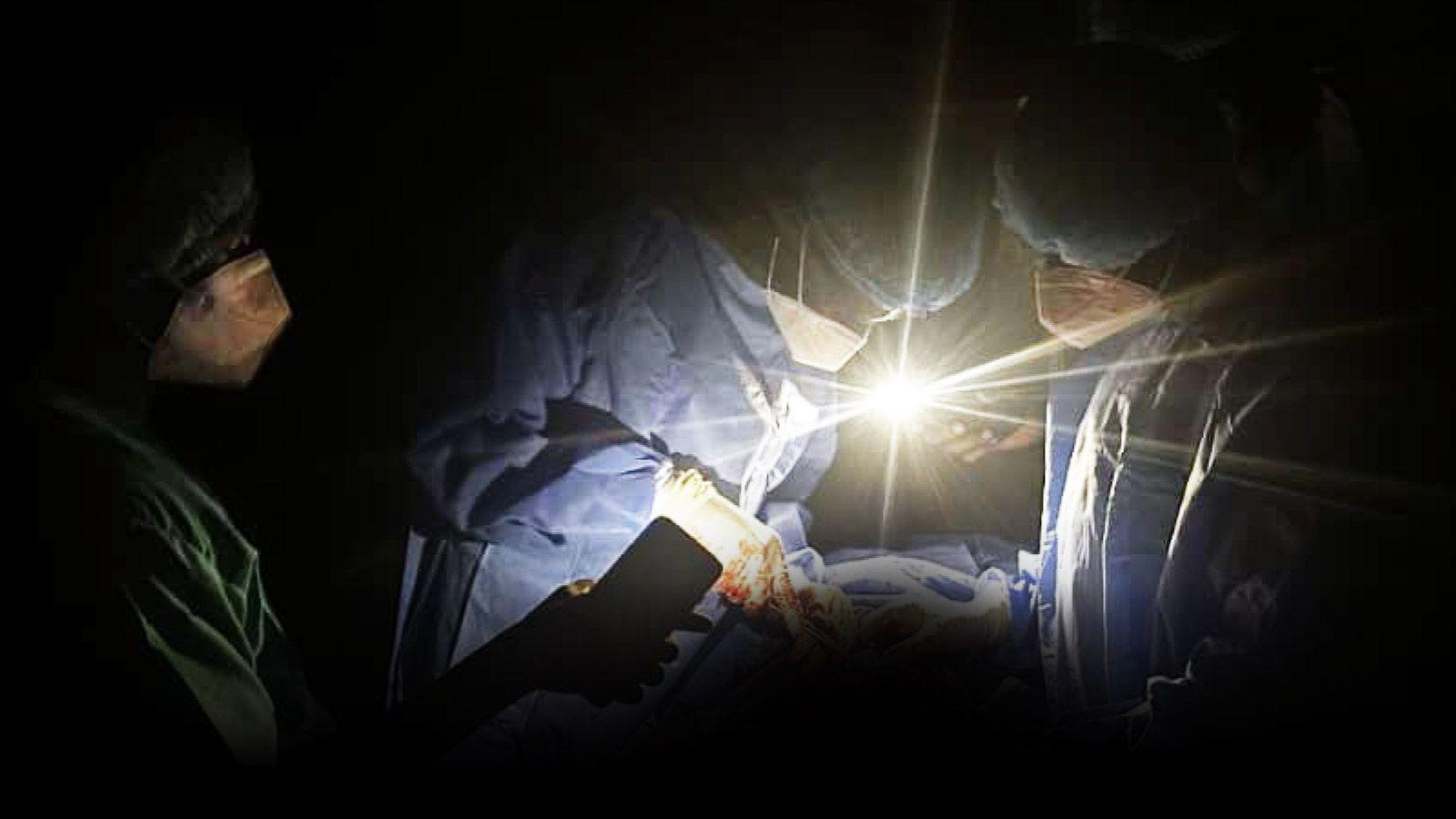
In the aftermath, the remaining medical staff at Saudi Hospital built underground bunkers and used steel containers to isolate surgical theatres. Dr Izzeldin Asow recalls how an explosion shook the facility during an operation; he stayed to keep the patient alive. Dr Asow also reported drones tracking the movement of patients, killing several as they were transferred by donkey cart to a makeshift operating theatre.
The story of el‑Fasher’s abortion of medical care continues to echo the broader humanitarian crisis in Sudan. The attacks on doctors, nurses and patients underscore a deliberate strategy to undermine civilian life. The BBC remains engaged in monitoring the RSF’s actions, bringing fresh evidence to UN human rights and the wider international community.