In brief
Seven weeks after premature birth, twins Raghad and Raad Hassan are fighting each day to stay alive amid Yemen’s bitter civil war. Forced to flee their mountain village after a Houthi onslaught, the family trekked three days on foot to the port city of Aden for care. In a cramped hospital bed, doctors detected severe acute malnutrition and a fragile pulse, with the twins barely keeping up breaths. Their plight reflects a wider malnutrition crisis that has surged as the United Nations reports over 800,000 Yemenis now denied life‑saving aid, while 250,000 civilians displaced by renewed fighting line the streets.
Seven weeks after a premature birth, newborn twins Raghad and Raad Hassan are fighting each day for survival amid Yemen’s civil war.
When the Houthi fighters reached their village in the Kahboub mountains in southwest Yemen, the Hassan family—led by shepherd Bajash—evacuated under bombed skies, carrying only blankets for the fragile babies.
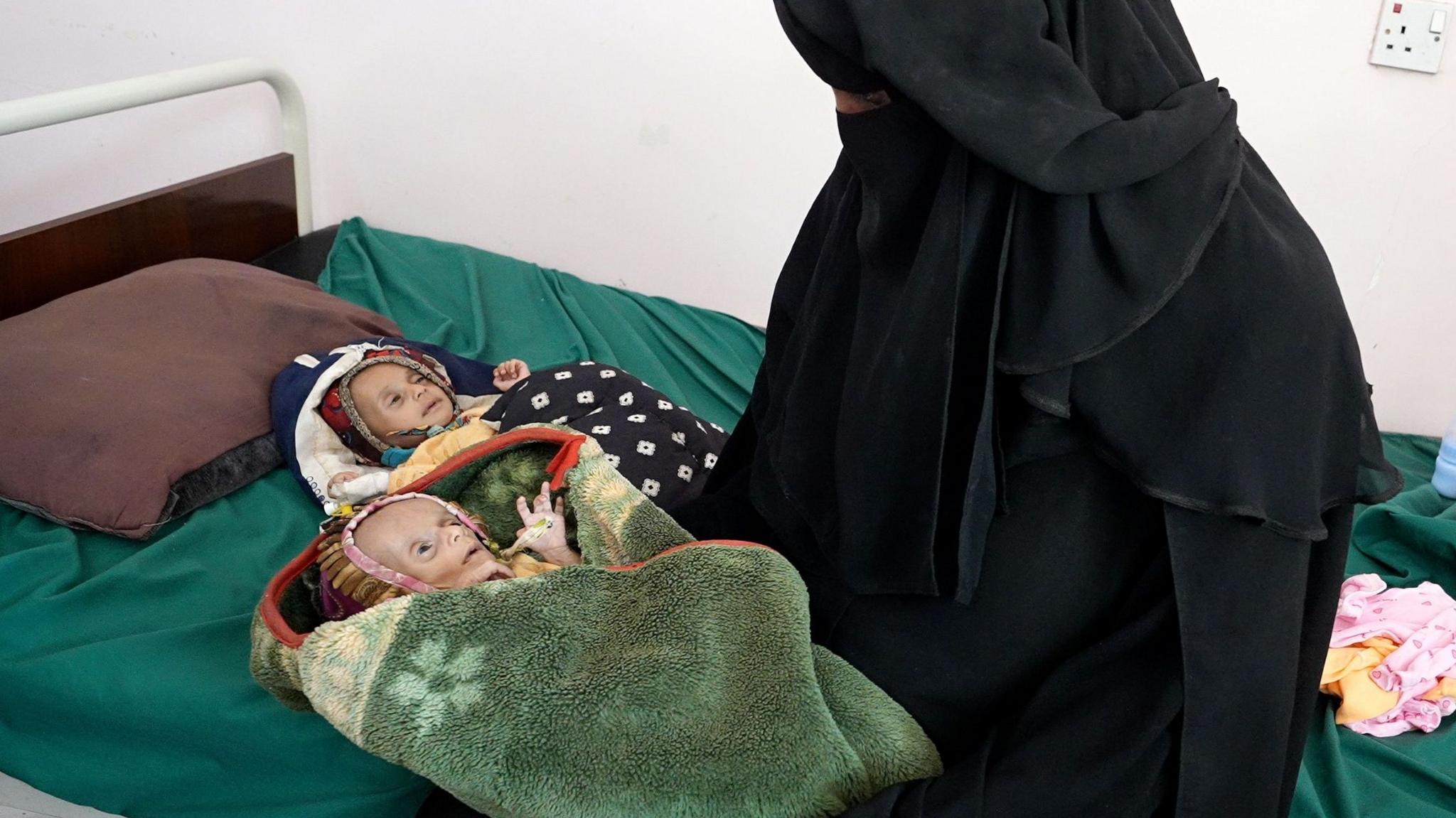
The family walked three exhausting days toward Aden. By the time they reached al‑Sadaqah hospital, the twins were barely clinging to life, their ribs visible under parched skin.
Doctors swiftly diagnosed severe acute malnutrition, a condition as lethal as a bullet. Raad’s lungs were shrunken and he could only manage reflexive breaths, while Raghad’s tiny limbs lay in a shared bed kept by nurse Aisha Ragab.
The hospital’s unit feeds up to twenty‑two children, yet only thirteen admission beds remain open due to a lack of equipment, staff and funding. HR specialist Noor Mohammed described how children are forced to return after discharge because families cannot afford nutrition, antibiotics or vitamins.
Bajash, now a shepherd without a flock, watches as his other three children—under five years old—constrain themselves on a bench outside the reception area, sleeping only on the street. He lost ten sheep, the only source of livelihood left for his family.
Across Yemen, the war has driven more than 250,000 people from homes, as the United Nations warns that the expanding conflict has increased the rate of children suffering from severe malnutrition to the halfway point of the year.
The Hassan twins’ story is a small illustration of a larger humanitarian crisis where war amplifies a famine already ravaging the country, and where each child’s fragile life hangs in a precarious balance against relentless violence and economic collapse.