In brief
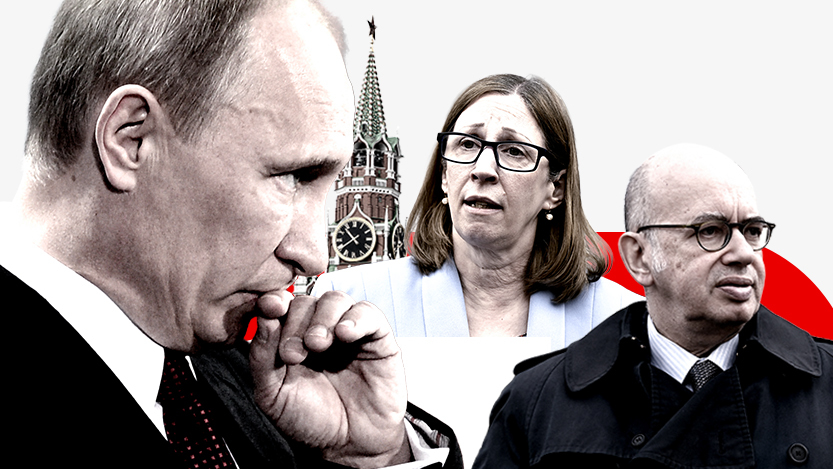
The war in Ukraine has transformed Moscow’s embassies into high‑security zones. Western ambassadors now live under constant watch, frequent staff cuts, and a climate of fear that has led some to resign. Former US Ambassador Lynne Tracy describes a day‑to‑day existence of listening devices, unwanted Russian visitors, and the need to protect staff amid financial sanctions. Russian officials accuse their counterparts of espionage, further isolating diplomatic missions. Despite the tense environment, diplomats argue their role remains pivotal, keeping communication lines open for potential future thawing of relations.
“Being the ambassador to Russia was probably the hardest assignment of my career,” says Lynne Tracy, who shepherded the US mission from 2023 to 2025. She is one of five diplomats interviewed for this piece, all of whom were posted after Russia launched its full‑scale invasion of Ukraine.
In the past, western embassies in Moscow were designed for dialogue, wedged into a fraught Cold‑War atmosphere where physical surveillance and listening devices were expected. But since 2022, Moscow has escalated its demands: ambassadors are now under continuous monitoring, staff cuts have left missions understaffed, and diplomatic couriers face threats from state media and activists. The result is a climate where “constant paranoia” forces many officials to quit, and those who stay must juggle protecting their team while safeguarding diplomatic channels.
Tracy recalls, “There, I still felt that there were things within my control. What made Moscow more difficult were the high levels of uncertainty.” The primary source of that anxiety is the Russian counterintelligence apparatus, which employs “spy dust” and a network of hidden listening devices. Some ambassadors reported that Russian border police would track them to embassy doors, and that FSB agents once attempted to recruit embassy staff to report on internal affairs. When ambassadors resisted, the mission was forced to dismiss those employees to avoid legal repercussions.
Meanwhile, the United Kingdom’s Ursula S. and France’s Pierre Lévy emphasized the necessity of maintaining hard‑line relations even as the embassies struggled with basic operations. Sanctions that severed Russian banks from the SWIFT network and halted international debit card services further complicated daily tasks. A US ambassador remembered being unable to pay staff until a colleague came in with rubles in a suitcase.
These challenges are compounded by the Kremlin’s refusal to engage. “There are no calls, no ministerial meetings,” says a former European ambassador, and Russian officials openly label diplomats from “unfriendly countries” as spies. Still, diplomats insist that their presence keeps a window open, ensuring that at some point when political temperatures ease, people-to‑people ties can speed up the transition toward less hostile relations.

The story behind embassy life extends beyond security. In June, guests invited to the British ambassador’s residence for the King’s birthday were harassed by pro‑Kremlin activists and then interrogated by police. Some have since refused further invitations to embassy events out of fear. Even after leaving Moscow, ambassadors continue to live with the lingering sense of being watched.
Tracy, proud of the work her team did to maintain links between Americans and ordinary Russians, summarizes the mission’s legacy: “Because at some point, government‑to‑government relations will have a chance to improve – and those ties between people will be there to help speed the improvement.”