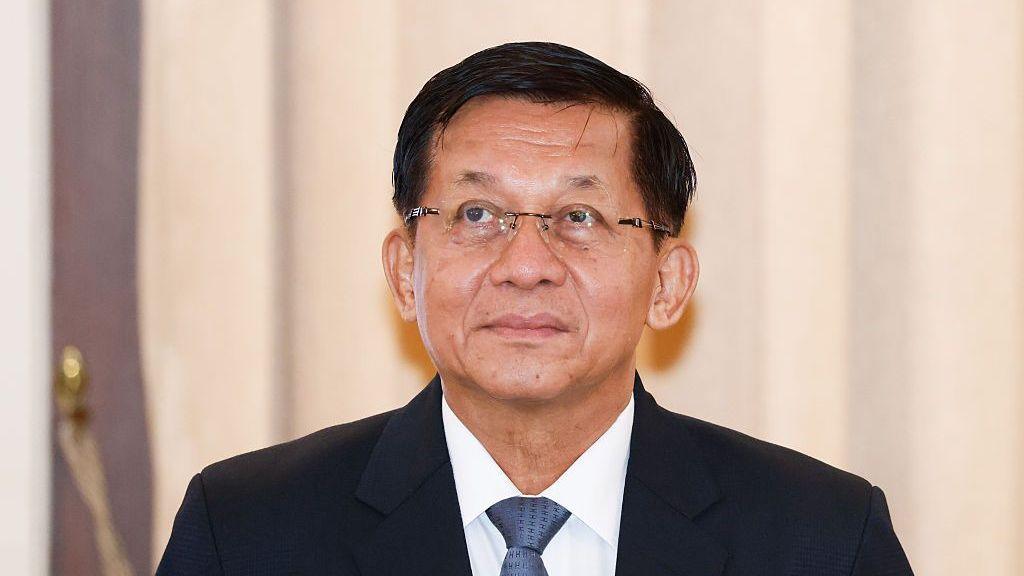
During the last month, U.S. officials surprised the world by meeting Myanmar’s military ruler Min Aung Hlaing and pulling select businessmen off the sanctions list, signalling a possible thaw in a relationship that had been one of isolation and economic pressure.
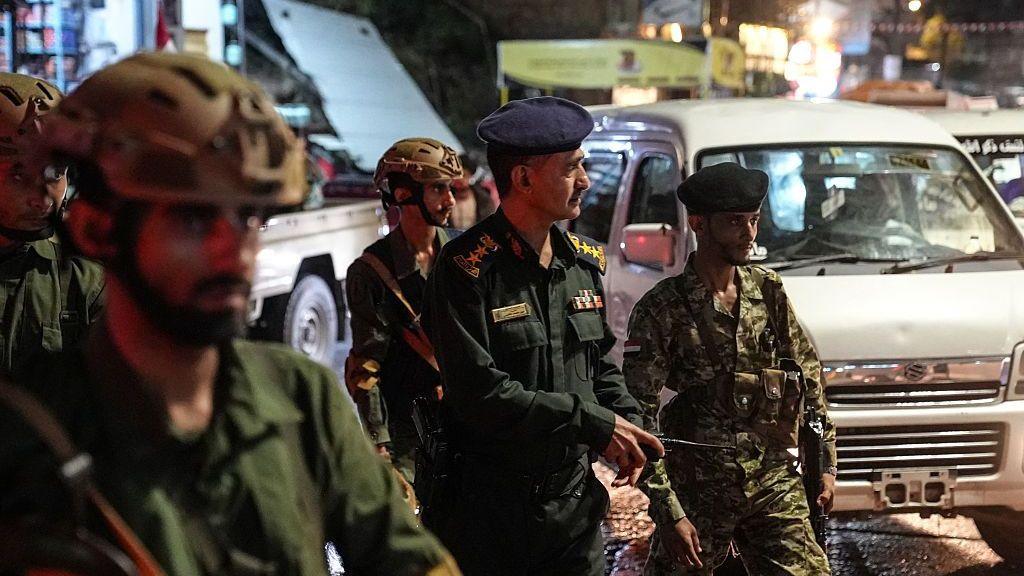
The meetings – held in Nay Pyi Taw on 15 and 16 September – were led by Assistant Secretary of State Michael Vance, who had previously talked to the military head in Tokyo. Vance’s visit, initially framed around freeing a U.S. citizen detained in June, also opened the door for discussions on trade, technology and strategic cooperation.
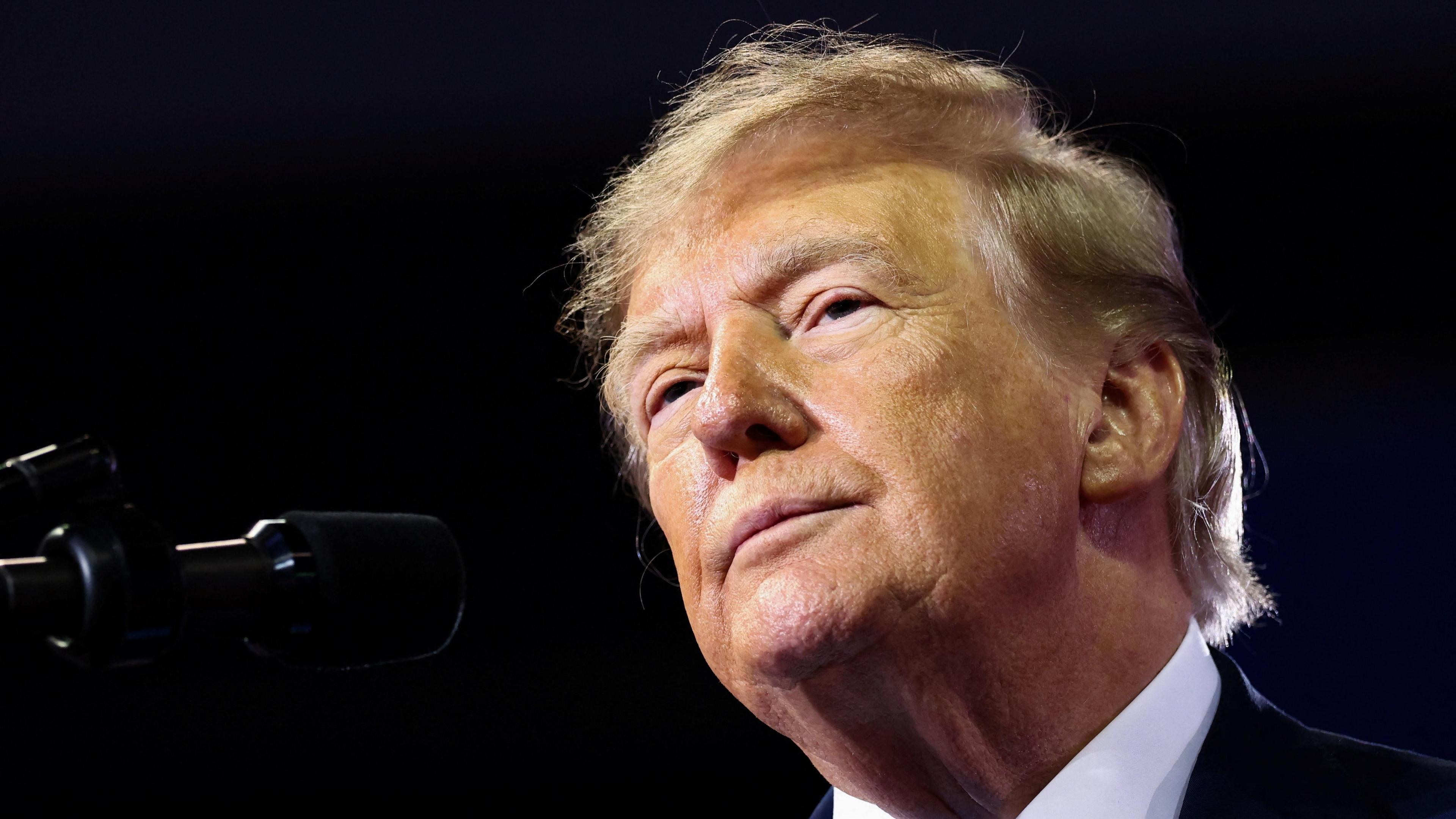
Under Trump, Americans continue to rely on sanctions as their main weapon against the junta, yet the new contacts reflect a shift from pure pressure to a willingness to engage. Supporters say the move could weaken China’s grip on Myanmar’s rare‑earth reserves and provide the U.S. with new trade channels; detractors warn that it risks legitimising a brutal regime and could undercut international accountability.
The U.S. state department’s new guidance to embassies now tempts officials to neutralise critiques of Myanmar’s December‑January general election, a move that echoes the West’s longer history of commenting on electoral fairness. The administration’s sudden suspension of aid to opposition groups and refugees, and the removal of Temporary Protected Status for Burmese migrants in the U.S., further erode the human‑rights argument for isolation.

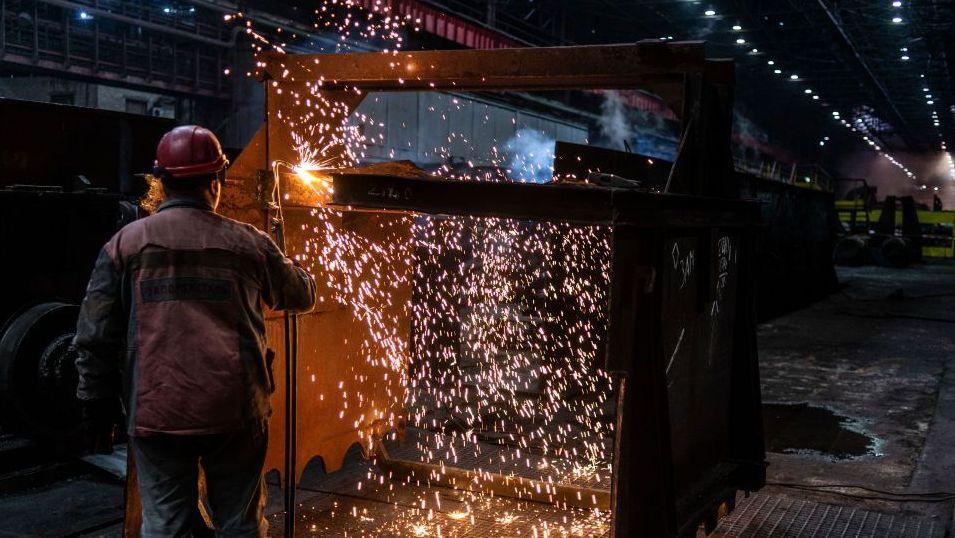
According to experts, US engagement will not automatically translate into meaningful sanctions relief or humanitarian progress. China remains the dominant extractor of Myanmar’s critical minerals, and the country’s mineral deposits lie in contested regions controlled by ethnic militias.
Some analysts caution that the Trump administration’s focus on closing economic gaps may distract from the deeper need to support political dissenters, ethnic armed groups and refugees fleeing persecution. If Washington hopes to re‑engage, it must clarify what it expects in return and address the core demands of Myanmar’s war‑torn populace.